
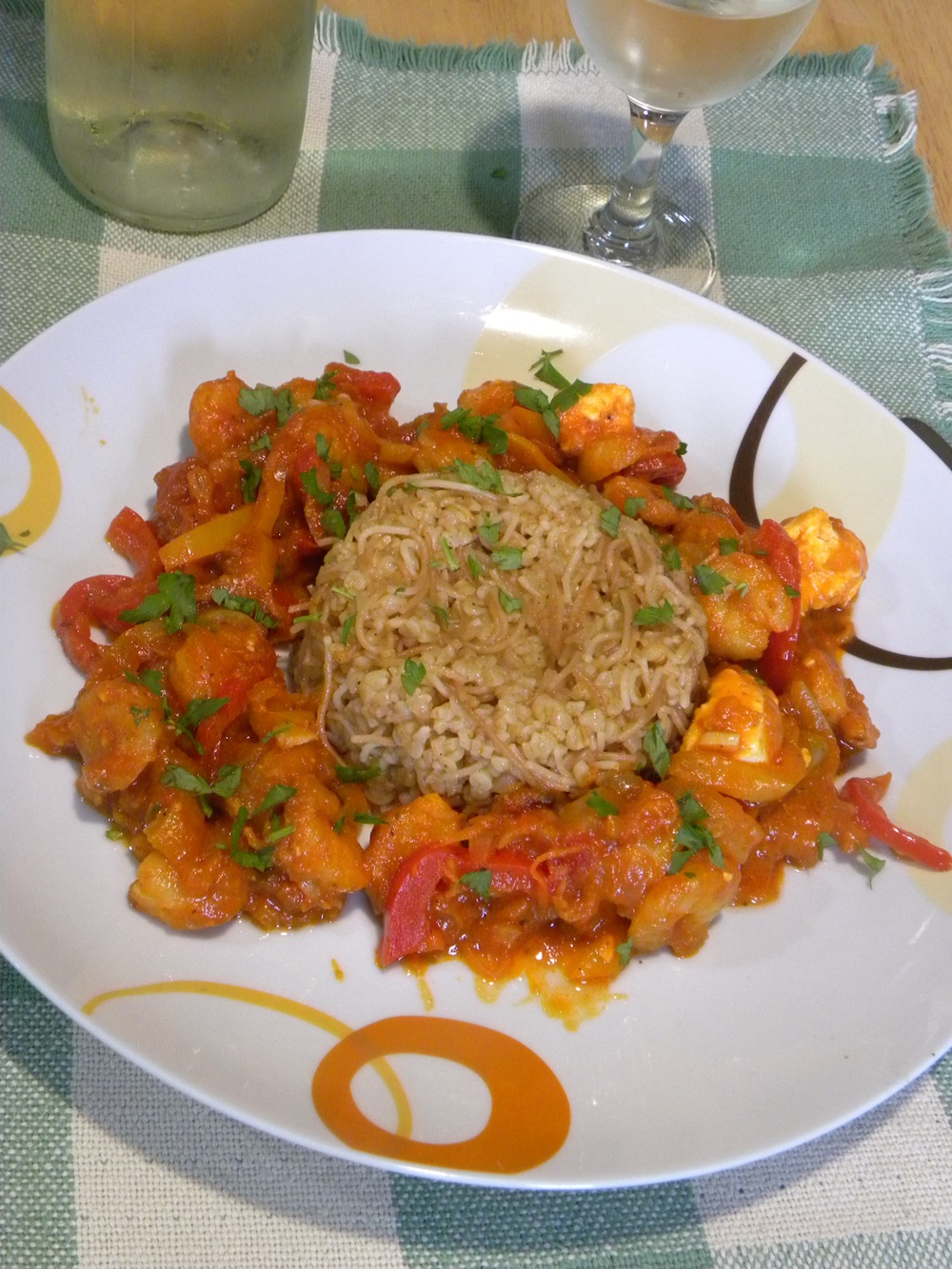
Greek Shrimp Saganaki with Masticha Liqueur
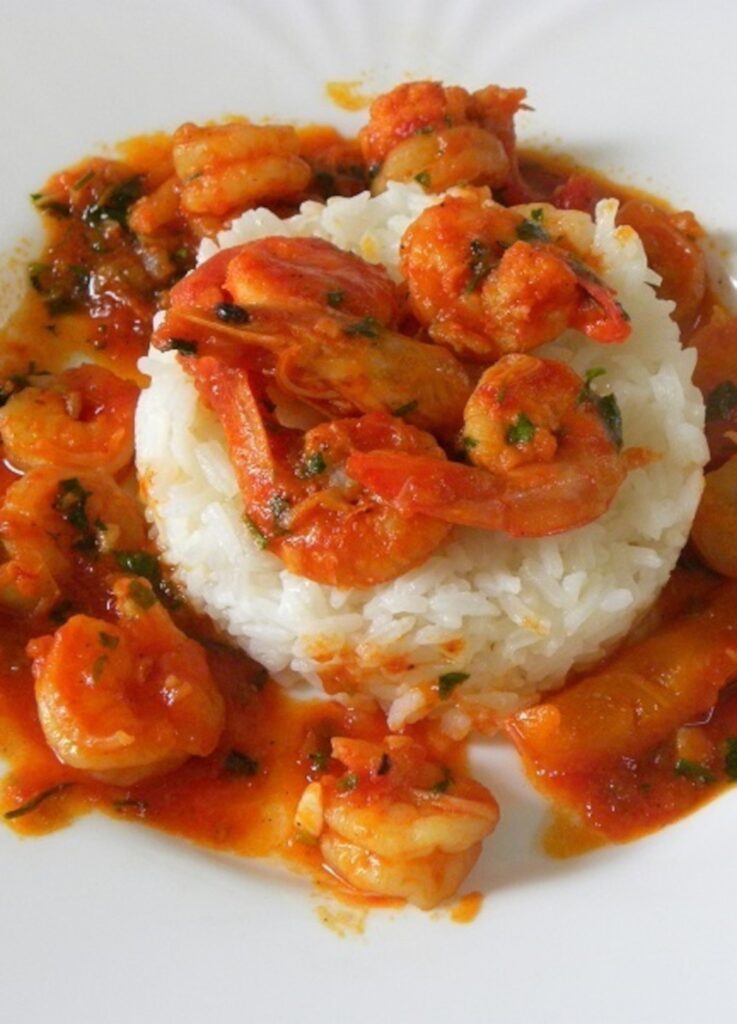
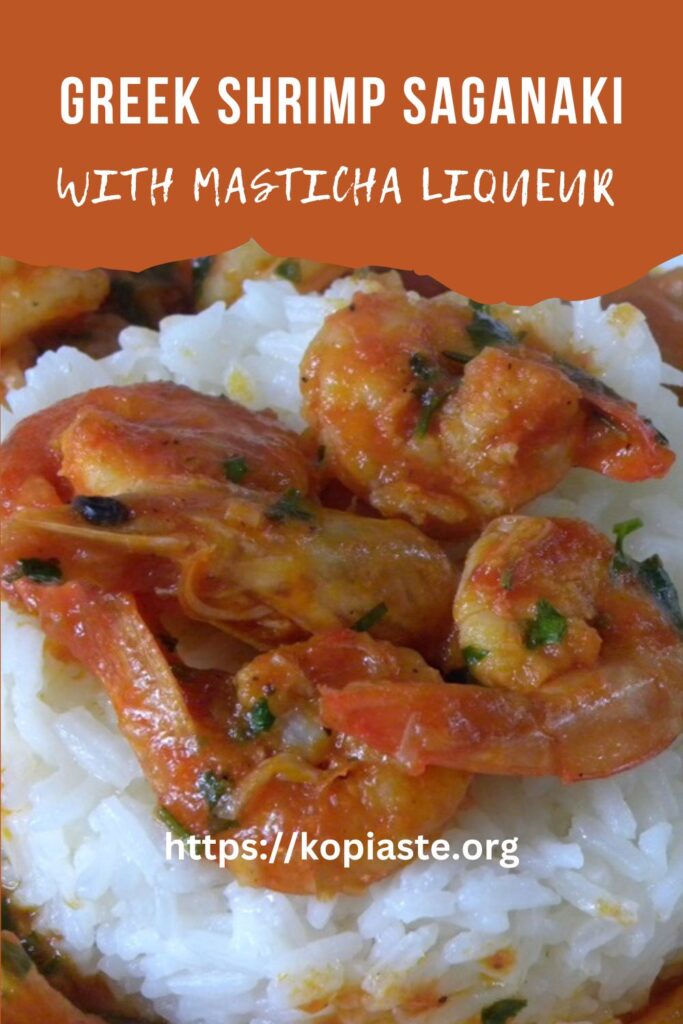
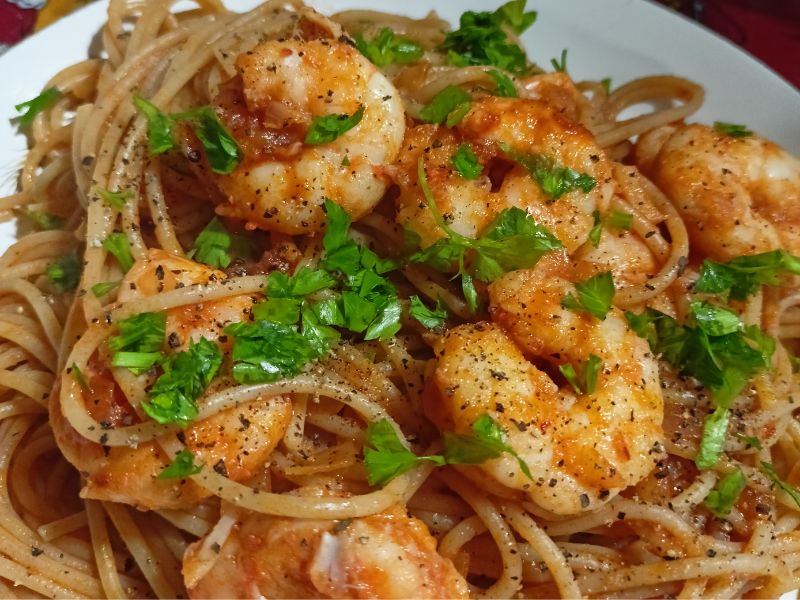
Greek Shrimp Saganaki (called Garides Saganaki in Greek), is an appetizer made with shrimps, flavoured with masticha liqueur, cooked in a tomato sauce.
Saganaki takes its name from a traditional frying pan with two handles, called "sagani". Hence all dishes cooked in this special frying pan are called "saganaki".
The most popular way of making this appetizer is with ouzo or wine but I used masticha liqueur instead.
I was not going to post this recipe today but some time after Easter, as I wanted to focus on strictly Lenten recipes.
Those who read my blog regularly know that I have been fasting since Clean Monday that is since 2nd March and I have been posting only nistisima, which are Orthodox Lenten recipes, as during lent no animal or products derived from animals such as eggs and dairy products, are allowed to be eaten. The only thing allowed is seafood and on two Sundays, the 25th March and on Palm Sunday, fish.
During Lent, on Sundays, I either make octopus, kalamari or shrimps and on the other days, I usually cook vegetables or dried legumes.
This recipe was made on the morning of my birthday on the 29th March. That morning it was a lovely spring, sunny Sunday and we enjoyed our lunch outside on the balcony accompanied by some ouzo.
The dish finishes with the addition of feta so as I was the only one fasting, before adding the feta I took some out for myself and added some feta for the rest of the family, who are not strictly fasting.
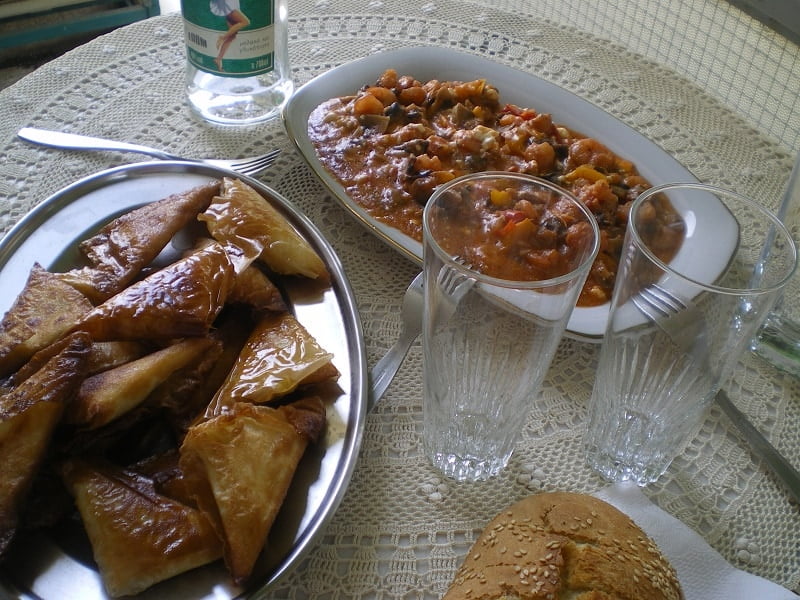
Apart from this dish, I also made some Bourekia with Mushrooms, a Greek salad and with some crusty bread, it was a very filling meal.
I cook more than three different recipes daily so it is impossible for me to post all the recipes I make as early as I would like to. I have more than 100 unpublished recipes some dating more than a year back and whenever the occasion arises I publish whatever I think suitable. I have made this recipe more than once.
When I was hosting the Think Spice event, I made a thorough research about mastic and it was then that I saw mastic liqueur used in saganaki, so I had that in mind when making the recipe.
Those recipes did not have any of the ingredients I added but I made the usual saganaki which is usually in a tomato sauce and feta making my own twist by adding mushrooms, peppers and fresh herbs. It was as simple as that.
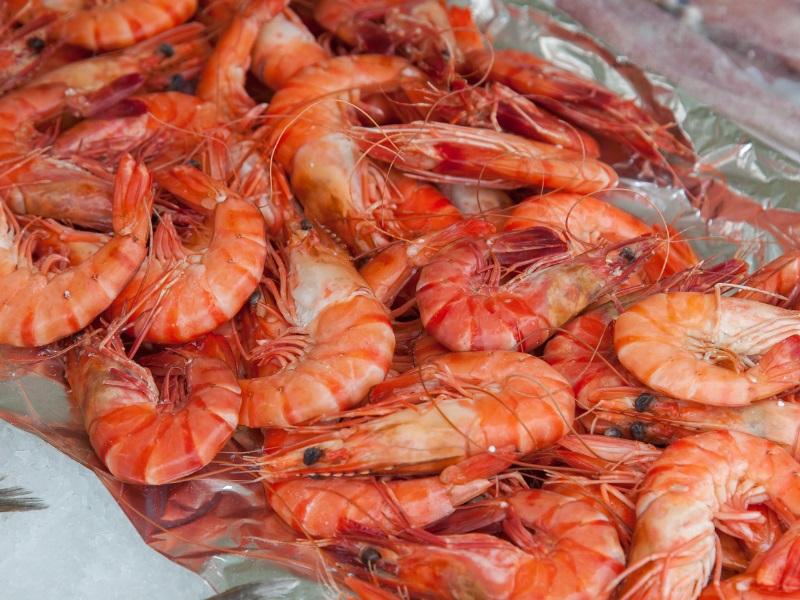
To make this saganaki, I used fresh shrimp.
Before cooking them you will have to devein them, as follows:
Deveining shrimp is a common step in preparing shrimp for cooking. The "vein" in shrimp is actually the digestive tract, and removing it can improve the appearance and taste of the shrimp.
Here's how to devein shrimp:
Ingredients:
- Raw shrimp
- Knife or shrimp deveining tool
- Cutting board
- A small bowl of water (optional)
Instructions:
- Peel the shrimp: Start by removing the shell of the shrimp, leaving only the tail if you prefer. You can also remove the tail, depending on your recipe and preference. To peel, gently grip the shrimp with one hand and use your other hand to pull the shell away, starting from the head end and working your way toward the tail.
- Make a shallow incision: Lay the peeled shrimp flat on a cutting board. Use a small knife or a specialized shrimp deveining tool. Hold the shrimp firmly with one hand and make a shallow incision along the back of the shrimp, just deep enough to expose the dark vein. Be careful not to cut too deep into the shrimp.
Remove the vein: Once you've made the incision, you'll see a dark line running along the back of the shrimp. This is the digestive vein. You can remove it using the tip of your knife, a toothpick or the shrimp deveining tool. Insert the knife or tool under the vein and lift it out. You can also use your fingers or a paper towel to grip the vein and pull it out gently.
- Rinse and clean: After removing the vein, you can rinse the shrimp under cold running water to ensure all the debris is washed away. If you prefer, you can also briefly soak the shrimp in a bowl of water to help wash away any remaining bits.
Pat dry: Use a paper towel to gently pat the cleaned shrimp dry before cooking.
Now your shrimp are deveined and ready to be used in your favorite shrimp recipe. Deveining shrimp not only enhances the appearance but also removes any gritty texture that the vein can contribute to the dish. Enjoy your delicious shrimp!
This morning when I visited a Greek blogger, I saw a certain similarity to my recipe and just said that I had made a similar recipe. He started sending me e-mails, surprised that I could think of something he has also thought of, as if he had made the discovery of the century. I replied to his questions and I even sent him a copy of my recipe as well as a picture of my recipe. He insinuated that I made everything up and was warned not to post the recipe as I would make a fool of myself to claim that I made a similar recipe since he published it first and copyrighted it.
I am sure that the Greek bloggers have understood to whom I am referring to, as they have had a similar experience with him in the past.
He chose not to publish my comment. The conclusions are yours.
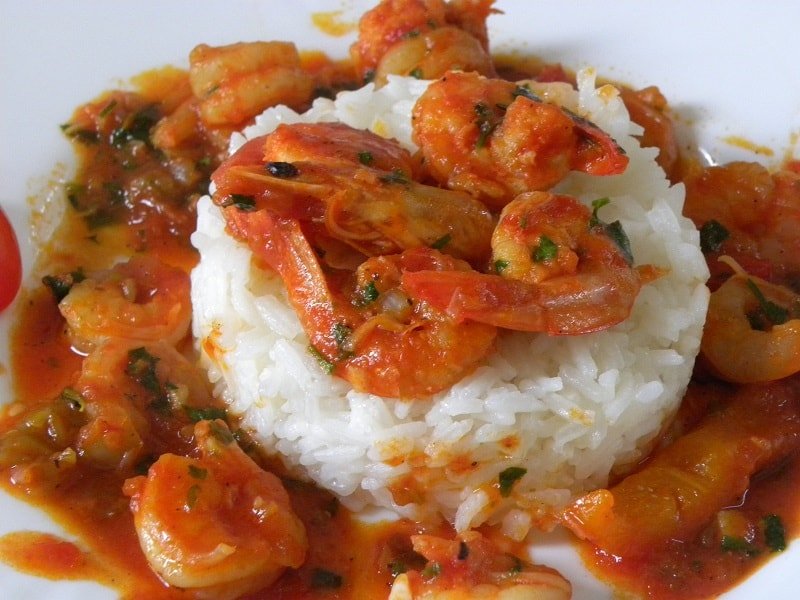
This dish can be also served without the feta for a Lenten (nistisimo) dish.
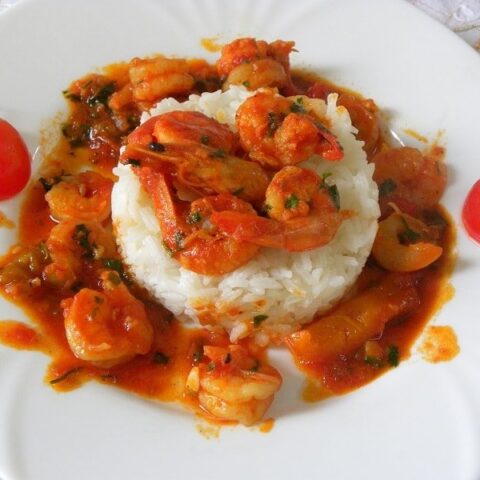
Greek Shrimp Saganaki with Masticha Liqueur
Ingredients
- 400 grams shrimps, deveined
- ¼ cup olive oil
- 1 small onion, finely chopped
- 1 clove garlic, finely chopped
- 1 cup bell peppers, red, yellow, green, julienned
- 5 button mushrooms, finely chopped
- 1 sprig fresh oregano, finely chopped
- 1 sprig fresh thyme, finely chopped
- 1 tablespoon fresh parsley, finely chopped
- 1 teaspoon sea salt
- Freshly ground black pepper
- 1 shot masticha liqueur
- 1 ripe tomato, peeled and cubed or grated
- 100 grams feta (optional)
Instructions
- Heat the olive oil in a non-stick frying pan (or sagani) and sauté the onion and the garlic until translucent.
- Add the shrimps and sauté for a few minutes.
- Season with salt and pepper and add the masticha liqueur and mix for a minute until the alcohol evaporates.
- Add the mushrooms, peppers, fresh herbs parsley, oregano and thyme and sauté for five minutes.
- Add the tomato and keep mixing about 15 minutes until all the liquids evaporate and it remains only with the sauce. (The dish finishes here as a Lenten dish).
- Add the feta and stir for a few minutes.
Notes
Sagani is a traditional frying pan with two handles. Dishes cooked in this frying pan are called "saganaki".
Nutrition Information
Yield 4 Serving Size 1Amount Per Serving Calories 369Total Fat 21gSaturated Fat 6gTrans Fat 0gUnsaturated Fat 14gCholesterol 233mgSodium 1763mgCarbohydrates 14gFiber 2gSugar 8gProtein 28g
"These values are automatically calculated and offered for guidance only. Their accuracy is not guaranteed."
Kopiaste and Kali Orexi,

Lenten Recipes (mostly vegan)
During the Greek Orthodox Fasting period, meat and animal prodÂucts (cheese, milk, butter, eggs, lard), fish (meaning fish with backbones), olive oil and wine (all alcoholic drinks) are not consumed during the weekdays of Great Lent Octopus and shell-fish are allowed, as is vegetable margarine, shortening, and vegetable oils, gelatin, olives, as well as honey are allowed.
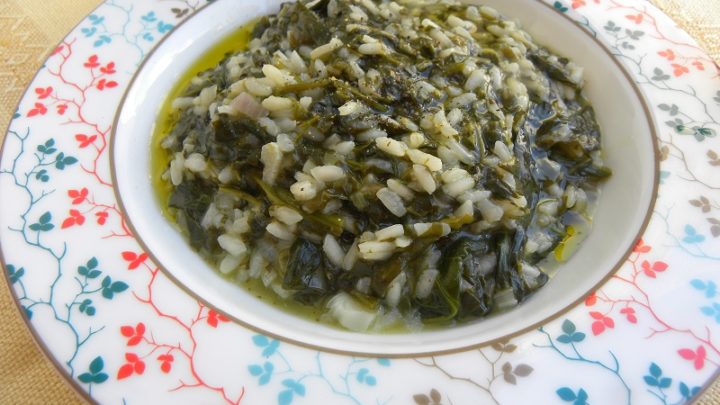
Vegan Spinach Risotto
A healthy vegan risotto, which is made the classic way, adding onions, leeks and aromatic herbs, which add an amazing taste to this dish!
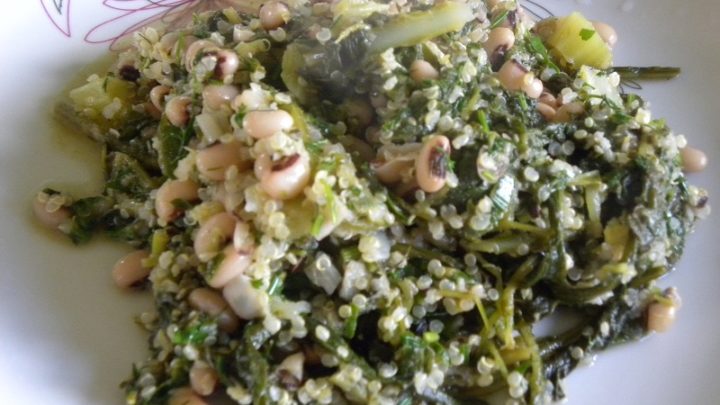
Aromatic Black-eyed Peas with Wild Greens and Quinoa
This aromatic black-eyed peas dish cooked with quinoa & wild greens, is a simple, healthy and a complete-meal you definitely should try.

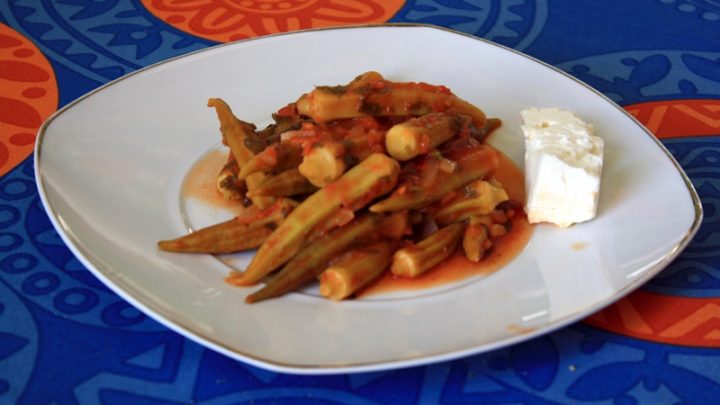
Mpamies me liastes ntomates (braied okra with sun dried tomatoes
Mpamies (okra with sun-dried tomatoes) is a light and healthy low carb dish which is full of nutrients and other healthy properties.
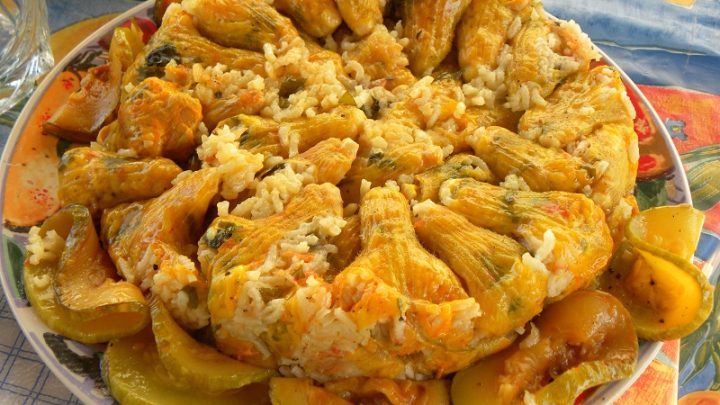
Athoi Gemistoi (Stuffed Zucchini Flowers)
Kolokythoanthoi or Ath(th)oi, as they are called in Cyprus,
pronounced with a thick "th", are the blossoms of the courgettes
(zucchini) which are filled with rice.
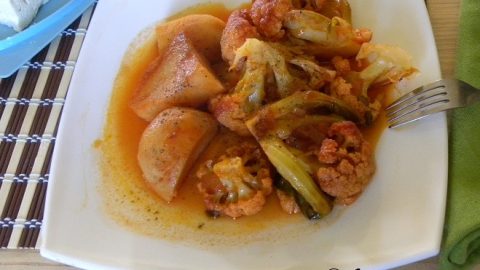
Kounoupidi me Patates Kapamas (Stewed Cauliflower with Potatoes)
Kounoupidi me Patates Kapamas (pr. kou-nou-PEE-dee MEH Pah-TAH-tess Kah-pah-MASS) is a simple vegan Greek Stew with potatoes. You can also make the dish without the potatoes and serve it as a side dish.
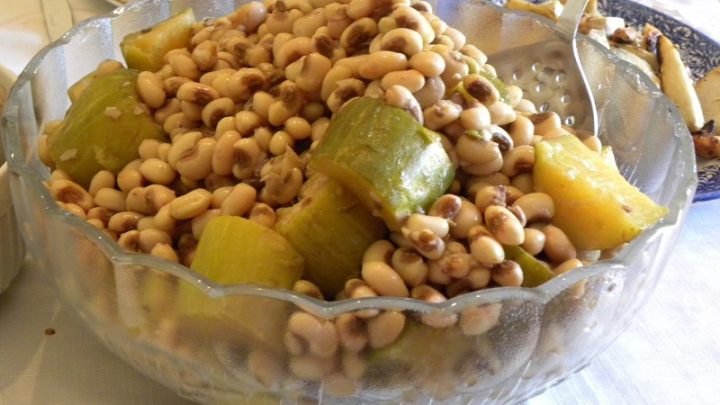
Ampelofassoula or Louvi (Fresh Black Eyed Peas) with Kolokoui
Ampelofassoula are the fresh green green beans (Vigna unguiculata) also known as cow peas, also called louvi in Cyprus. These beans are eaten before they mature,usually boiled and eaten as a salad with olive oil and lemon juice.
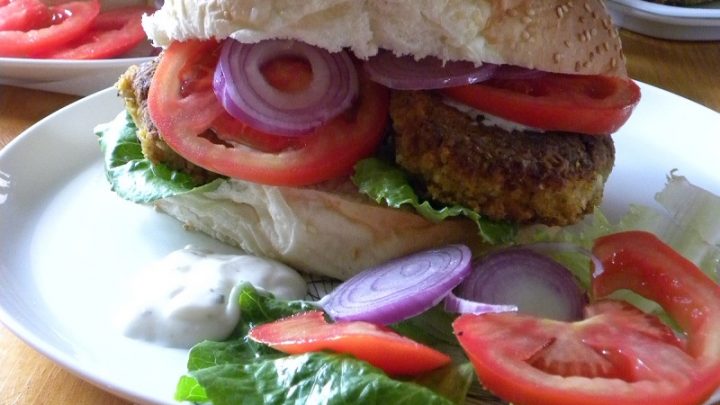
Vegan Chickpea Burgers with Zucchini and Bulgur
These vegan chickpea burgers are packed with spices and herbs, very  healthy and seriously satisfying !
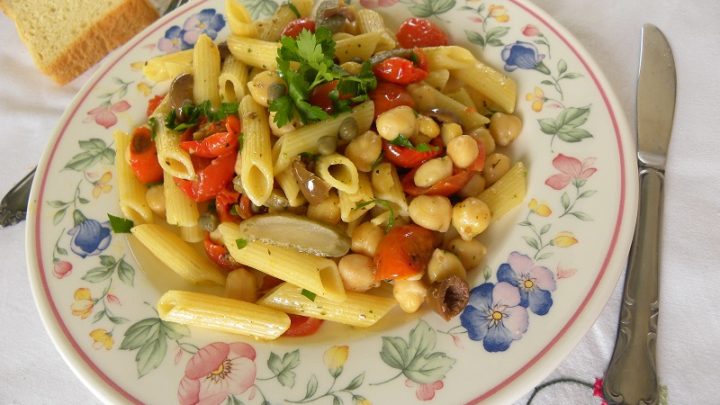
Penne with Chickpeas and Roasted Cherry Tomatoes
Whole Wheat Penne with Chickpeas, Roasted Cherry Tomatoes and roasted garlic is a delicious and healthy vegan pasta dish. A delicious summer meal.
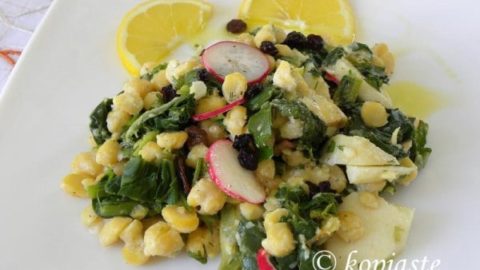
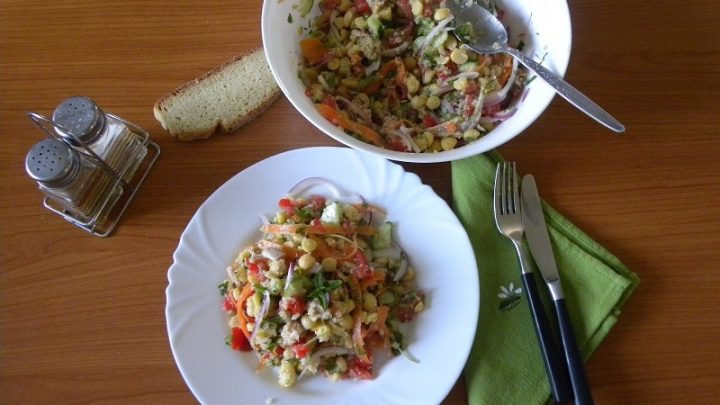
Greek Chickpea Salad with Quinoa and Tahini Sauce
This healthy Greek chickpea salad is a filling dish on its own, packed with protein from the chickpeas, quinoa and tuna and full of vitamins from the herbs, vegetables and salad dressing.
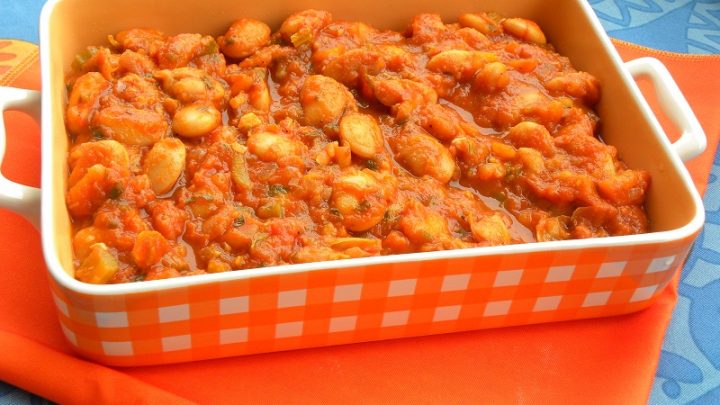
Gigantes Plaki sto Fourno (Baked Giant Beans)
Gigantes plaki is a deliciously hearty vegan dish made with giant beans, which are cooked until soft and then baked in a delicious tomato sauce until the beans absorb all the juices and caramelize.
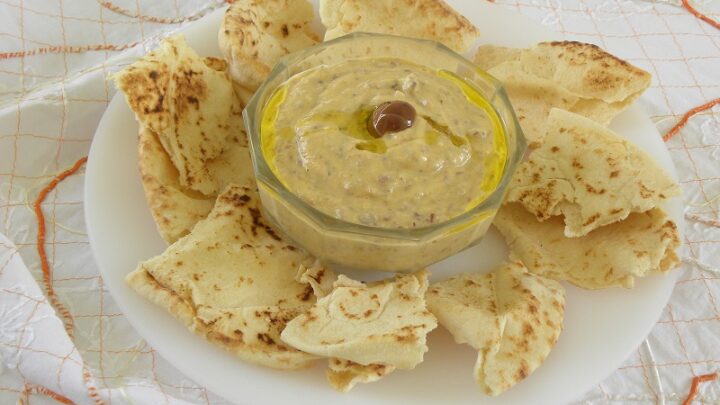
Hoummous with Roasted Butternut Squash and Garlicky Olives
This Hummus Dip is a wonderful recipe which is based on the traditional hummus recipe but combined with roasted butternut squash and garlicky Greek olives.
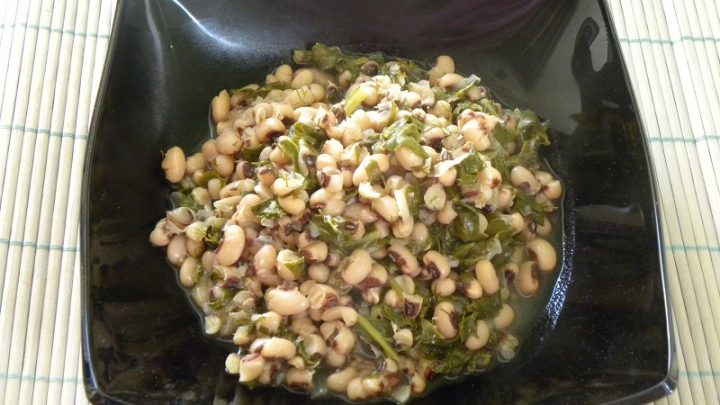
Louvi - Black eyed Peas
Louvi is a healthy traditional Cypriot dish of black eyed peas, cooked with silverbeet (chard) and served with extra virgin olive oil and lemon juice.
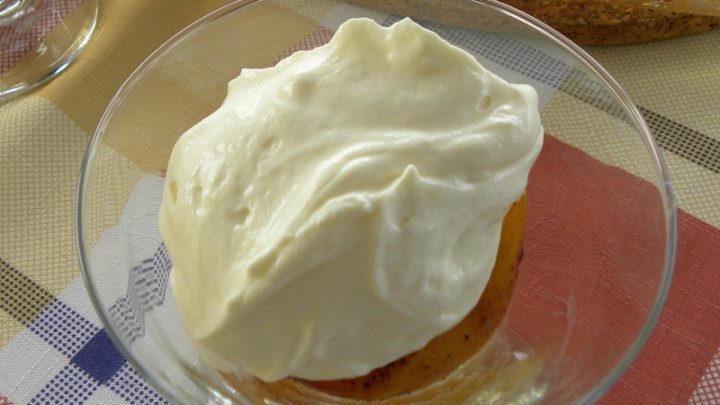
Vegan Coconut Whipped Cream Frosting
Coconut whipped cream is a dairy-free alternative to classic whipped cream, which is made with heavy whipping cream!
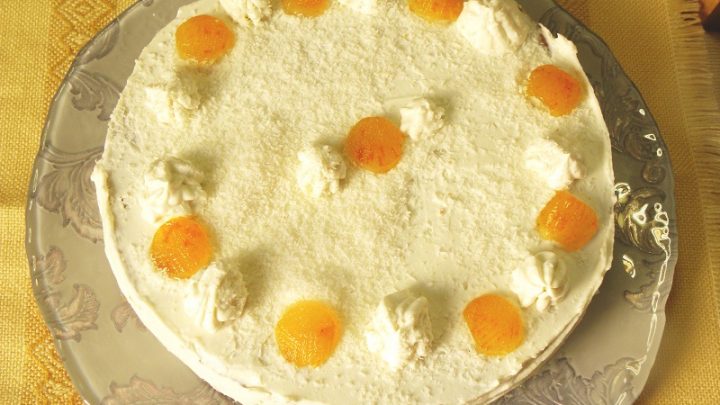
Vegan Carrot and Banana Cake with Coconut Frosting
A very moist, delicious and healthy Vegan Carrot Cake with Banana, Spices and topped with Coconut frosting and Bergamot fruit preserve.

Vegan, Lactose Free and Gluten Free Ryzogalo (rice pudding)
This coconut rice pudding is not only vegan but also lactose free and gluten free but equally creamy and delicious as the classic one!
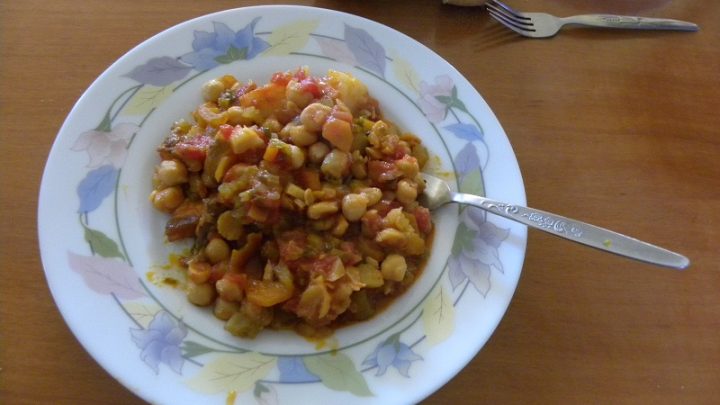
Revithia giahni sti gastra (stewed chickpeas)
Revithia giahni sti gastra is a vegan dish with stewed chickpeas, traditionally cooked in a clay pot and baked in a wood burning oven. However, not all of us have wood burning ovens or clay pots but we can still cook it in a Dutch oven or any casserole dish in our home oven.  If you don't have any of the above, use a baking tin which cover with an aluminium tent.
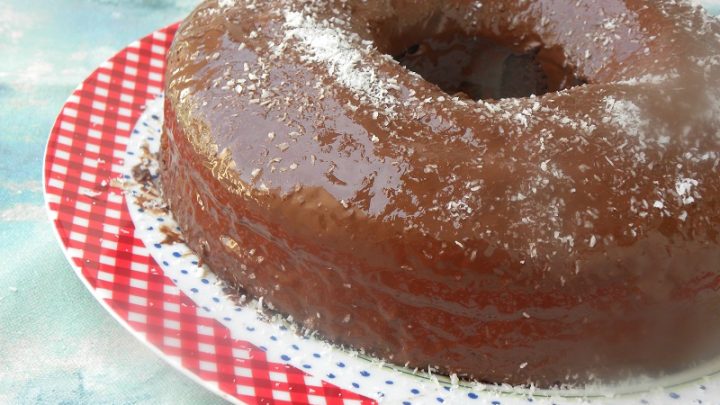
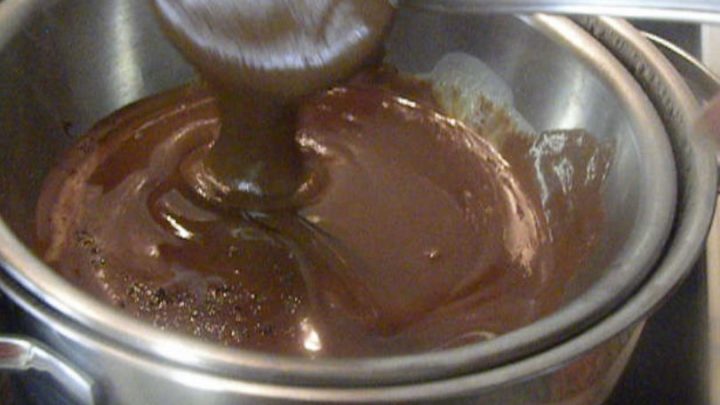
Vegan Chocolate Ganache with Tahini
One of the easiest and delicious, vegan glazes to add on top of your vegan cakes and other creations!

How to make Aquafaba and Vegan Meringues
Vegan Meringues made with aquafaba are light, airy and crispy, which melt in your mouth, much better than egg meringues.
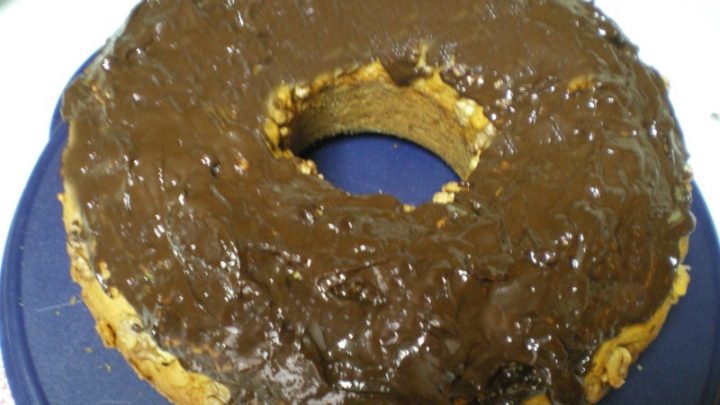
Vegan Carrot Cake with Chocolate
This vegan carrot cake is so easy to make, it is moist and tastes fantastic. You can eat it as it is or add a glaze on top!
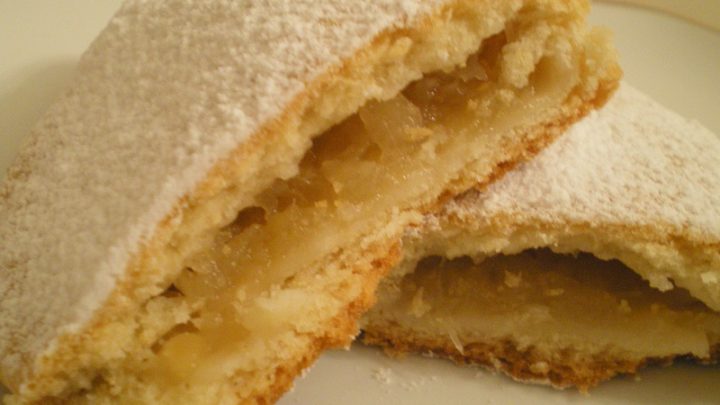
Easy Homemade Apple Turnvers
There's nothing like homemade apple turnovers with homemade apple sauce. They are delicious and yet so easy, that any one can make these homemade turnovers.
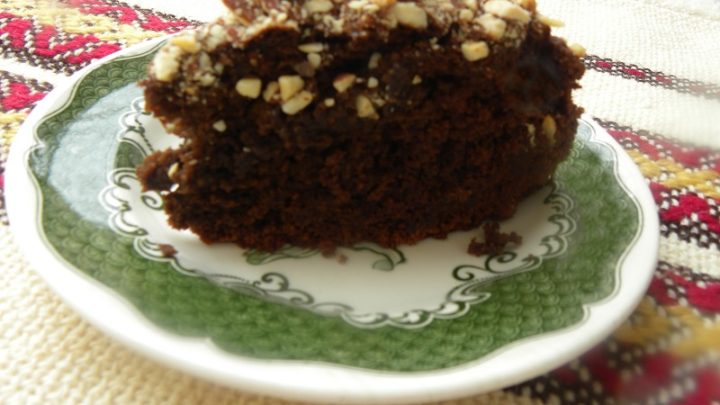
Vegan Chocolate Avocado Orange Almond Cake
This vegan chocolate cake uses avocado and extra virgin olive oil instead of any other fat, it is loaded with chocolate flavor and and many other healthy ingredients.
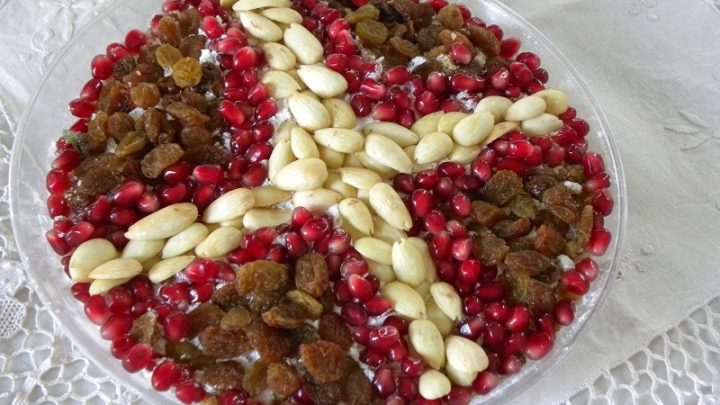
Kollyva (Greek Memorial Food)
Kollyva, is a sweet dish prepared with boiled wheat berries, nuts, raisins, pomegranate and spices, which is taken to church to commemorate our deceased during funerals or memorials. Â
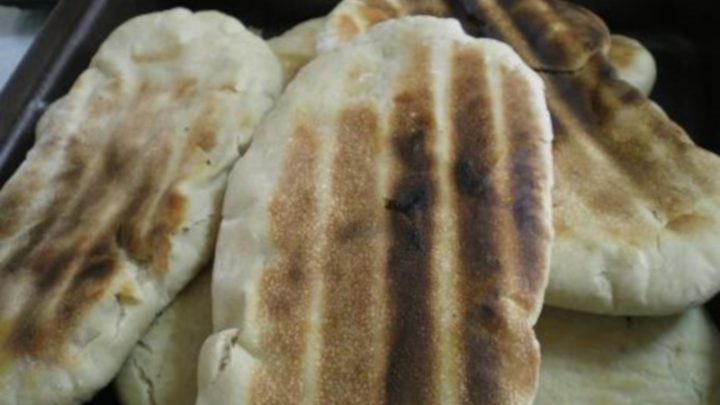
Cypriot pita bread
Cypriot pitta bread are much different to the Greek pitas. They are flatbread like the other pita but are different in shape and in taste.
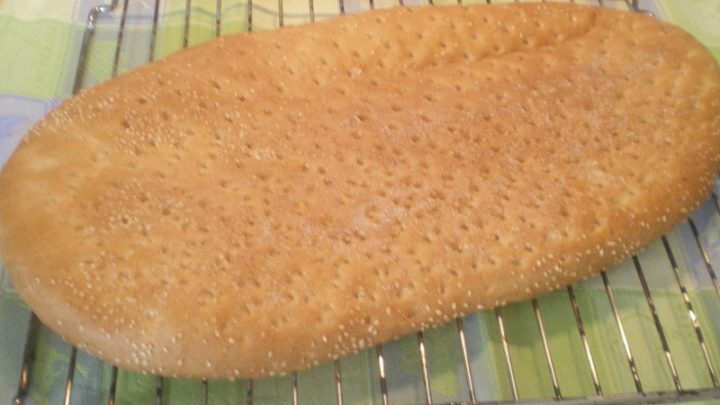
Lagana Flatbread
Lagana (in Greek λαγάνα, pronounced lah-GHAH-nah) is a traditional Greek flatbread, which is made with flour, yeast, salt and water.
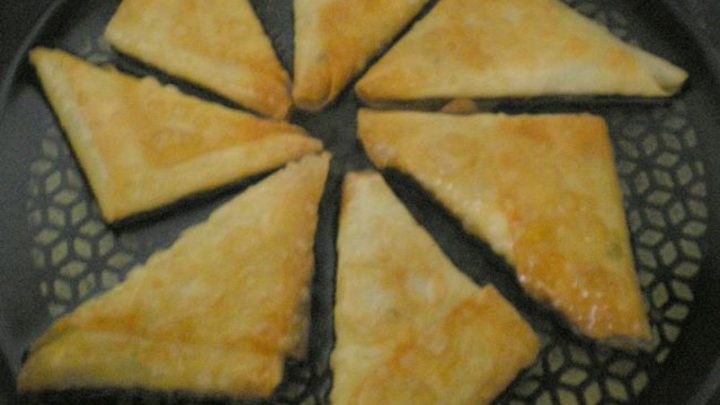
Bourekia me Manitaria (Mushrooms)
If you're looking for a take-along party appetizer recipe that's easy, impressive, and makes A LOT, these crispy mushroom phyllo triangles are it.Â
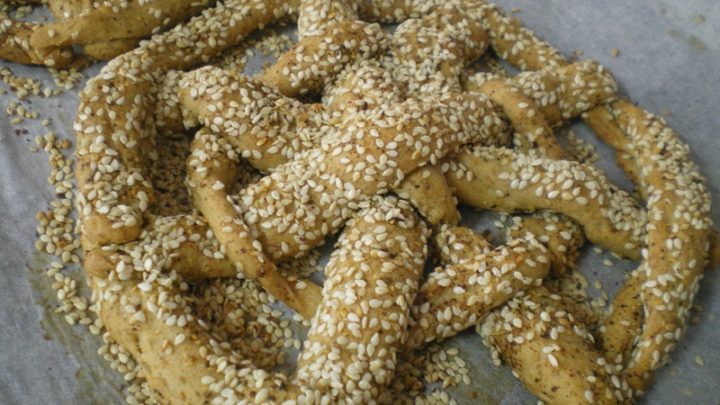
Glystarkes (Cypriot crusty, sesame rusks)
Glystarkes or glistarkes or gyristarkes, from the Greek verb γυρίζω = turn, is a kind of Cypriot grid-like crusty, sesame rusk. Â

Cypriot Tahinopita (Vegan Tahini Bread)
Cypriot Traditional Tahinopita is a Lenten or vegan sweet bread, which is very flavourful as it is filled with tahini, sugar and cinnamon.
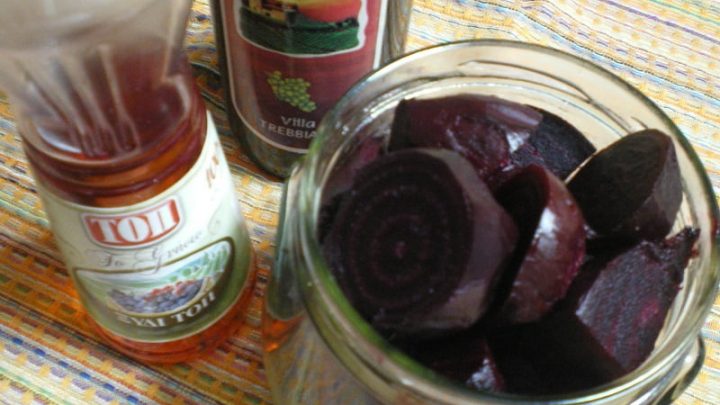
Pantzaria Xydata (pickled beetroots)
Pantzaria Xydata (pronounced pan-TZAh-rhia Ksee-DAH-tah) are beets preserved in vinegar, which are one of our favourite vegetables to preserve.
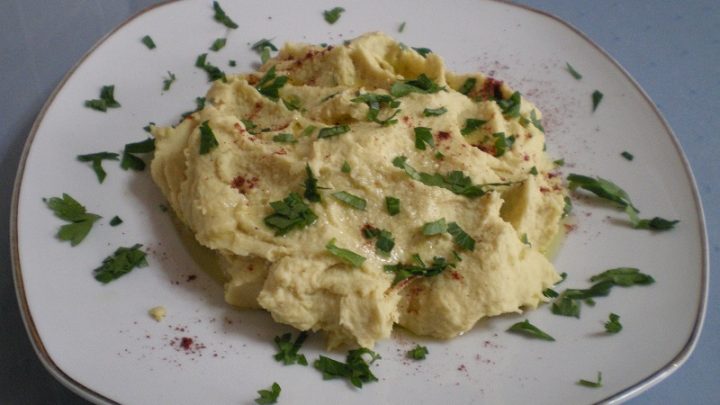
Hummus Dip
Hummus or hoummous is a Middle Eastern dip made from mashed chickpeas and blended with tahini, garlic, lemon juice, spices and olive oil.
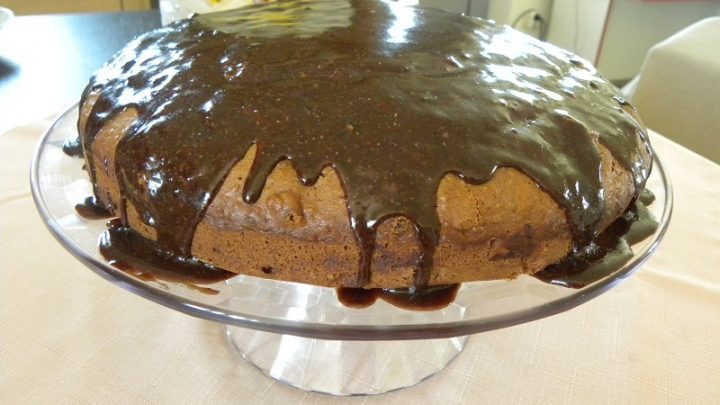
Vegan Chocolate Carrot Cake with Chocolate Tahini Glaze
This vegan Chocolate Carrot cake is moist and delicious with a chocolate - tahini glaze on top, which makes it not only healthy but also irresistible. Â
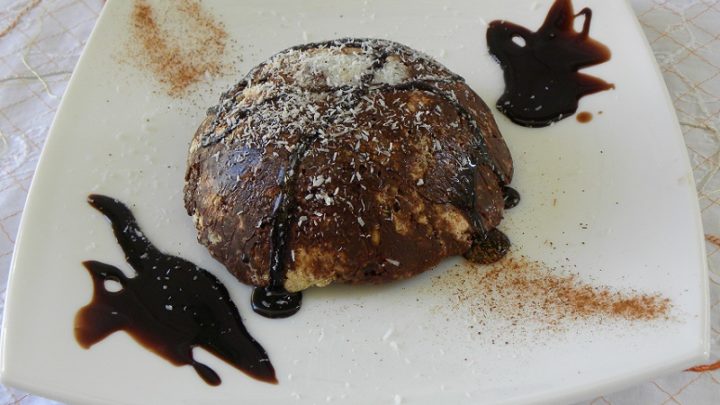
Vegan Dessert with store bought Halvas
This vegan dessert is made with store bought halvas, chocolate, toasted nuts, candied fruit or spoon sweets (glyka tou koutaliou) and coconut.
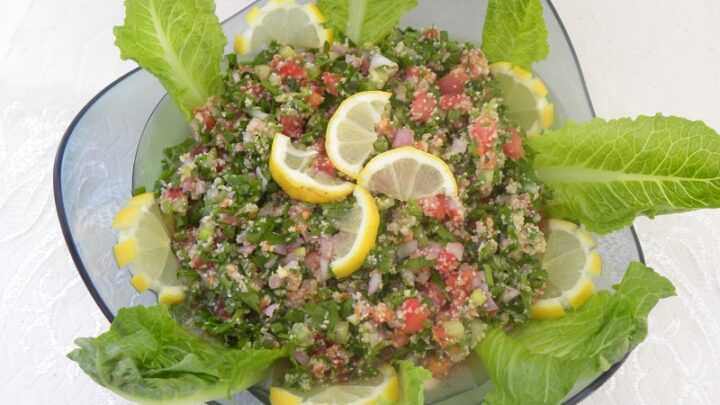
Tambouli Salad, Tabouli or Tabbouleh
Tambouli salad, also written as tabouli or tabbouleh, is a refreshing parsley salad, which is made with bulgur wheat tomatoes, onion, cucumber, fresh mint and dressed with extra virgin olive oil and lemon juice.
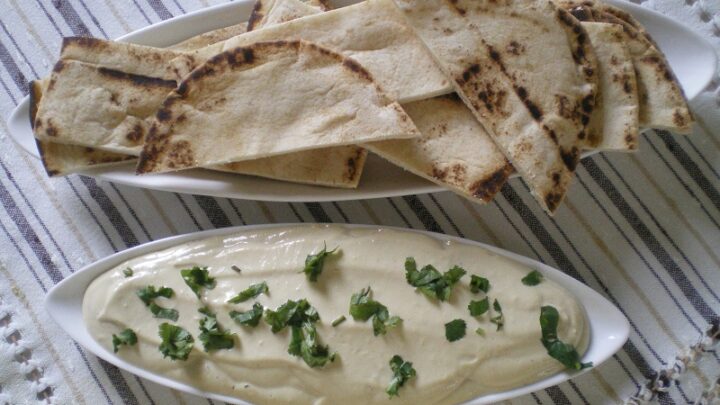
Tashi (Τahini) Dip
Tashi is a Cypriot vegan dip made with tahini, garlic and lemon juice. It goes well with almost any food and this appetizer is served in all Cypriot restaurants.
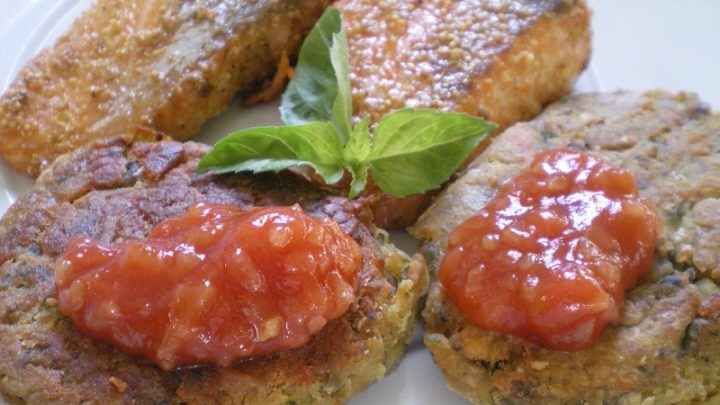
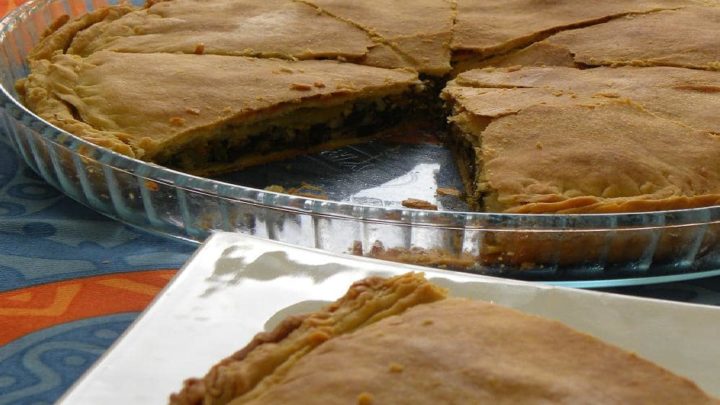
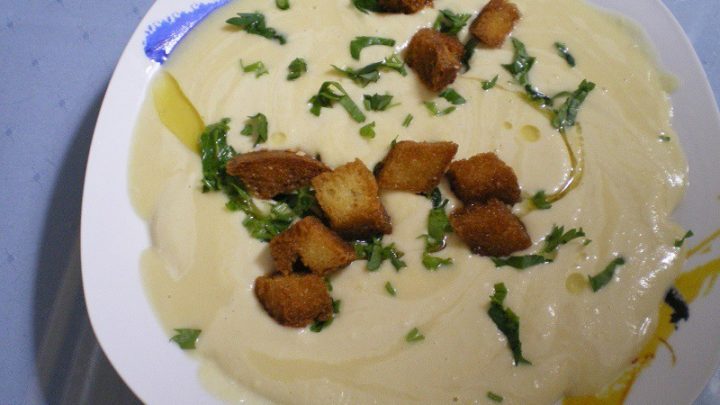
Hoummous Soup (Chickpeas soup)
Hoummous soup is made with the same ingredients as for hoummous dip. More hot broth is added until it reaches the consistency of a soup and is served with croutons. The cooked chickpeas can be freezed, so when making this soup, I usually boil more in order to make the dip whenever I like.
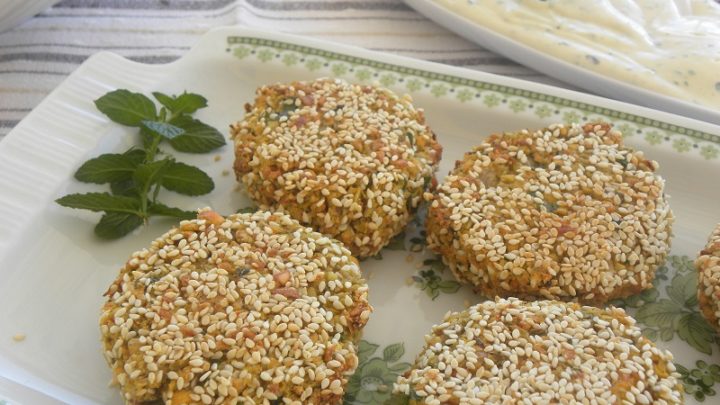
Revithokeftedes (Chickpea Patties)
Revithokeftedes (pr. reh-vee-thaw-kae-FTEH-thes) aka chickpea Patties is a delicious, healthy, Greek, vegan meal.
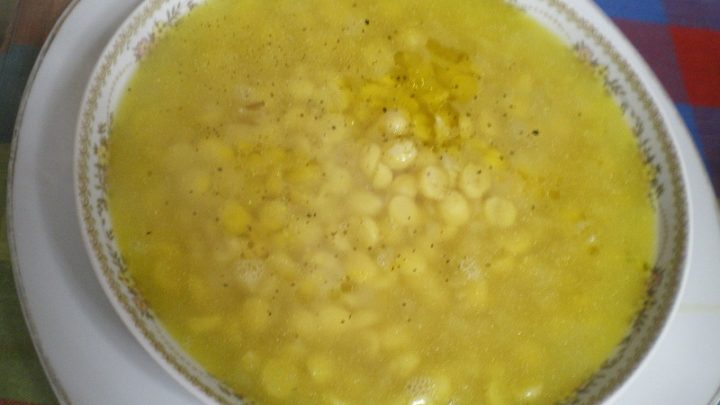
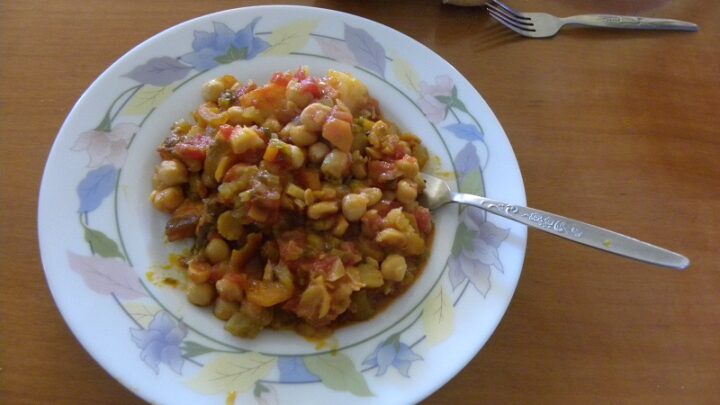
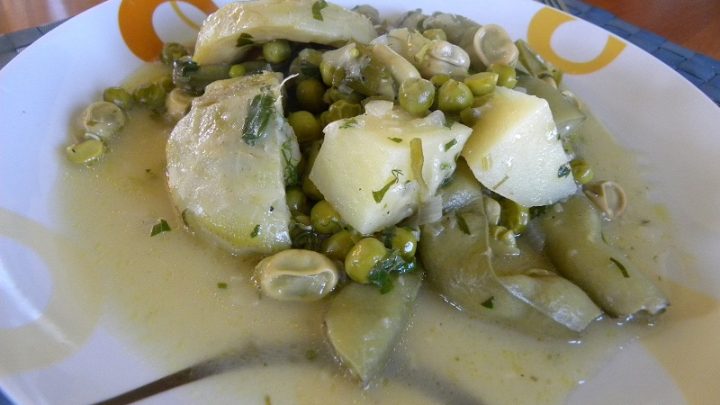
Koukia, Fava Beans, the Greek way
Koukia, Fava beans (Vicia faba), in Greek koukia (plural of word kouki), pr. kou-KHIA, is an easy, vegan Greek dish paired with lemon, dill, fennel and parsley, which adds lots of flavour to this healthy dish.
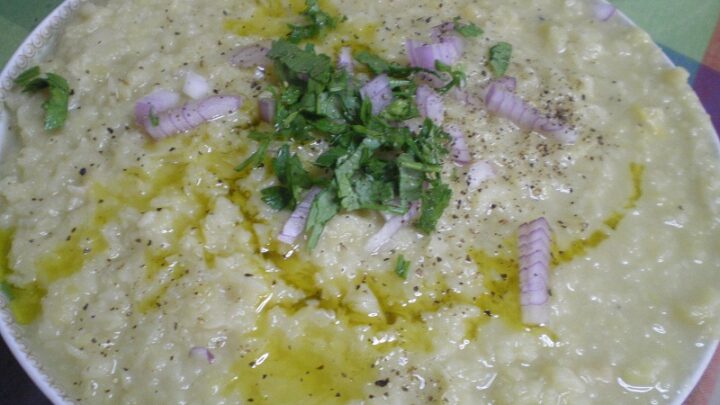
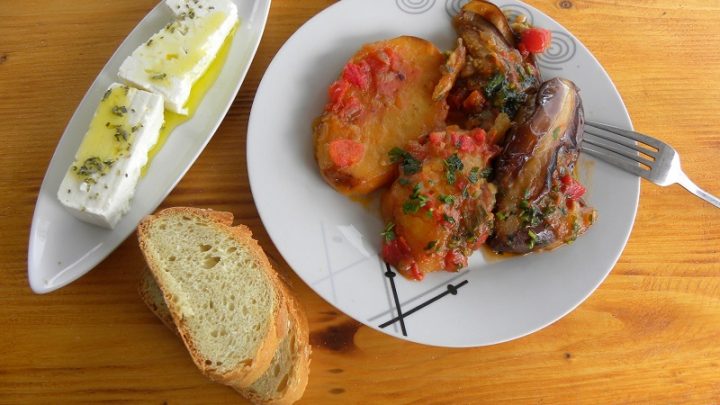
Vazania (melitzanes) giahni (stewed eggplants)
Vazania, is the name of eggplants in the Cypriot dialect, (in Greece they are called melitzanes), which are fried together with potatoes and stewed, to make them giahni, which is a delicious vegan and frugal dish. Â
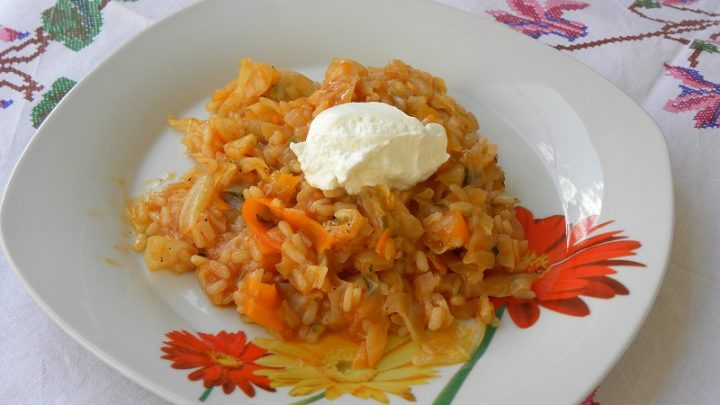
Lahanoryzo (Greek Cabbage and Rice Stew)
Lahanoryzo is a frugal, vegan dish, made with cabbage and rice, cooked in a light tomato sauce..
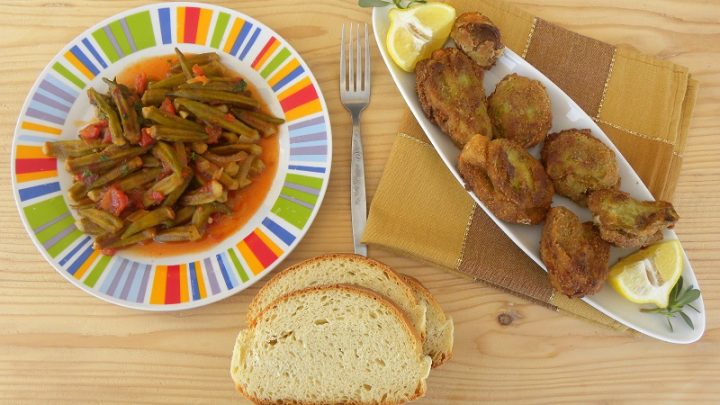
Stewed Okra (Mpamies Giahni)
Fresh okra is often maligned for being slimy, but if they are handled properly, before cooked, these small, green pods will become delicious when cooked!
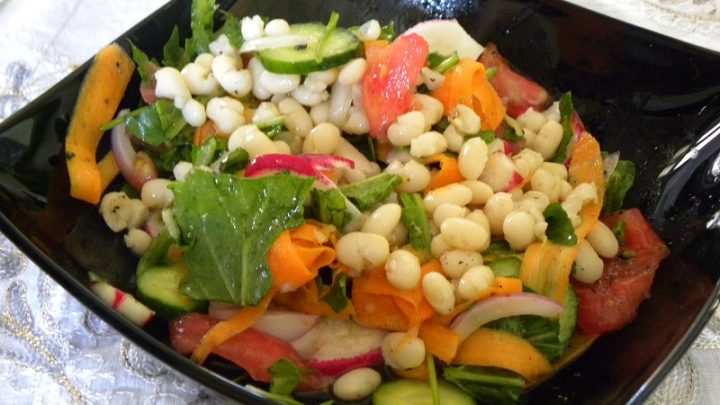
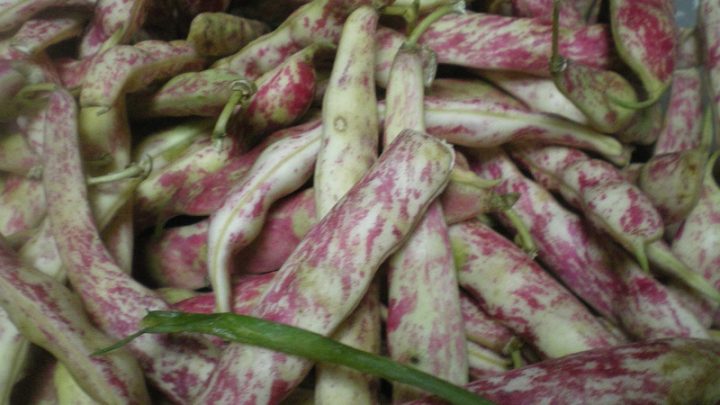
Fassolia Ηantres Giahni or Barbounofassoula (Stewed Borlotti Beans)
Hantres also called barbounofassoula, is a type of kidney bean with a pink speckled skin that turns brown when cooked.
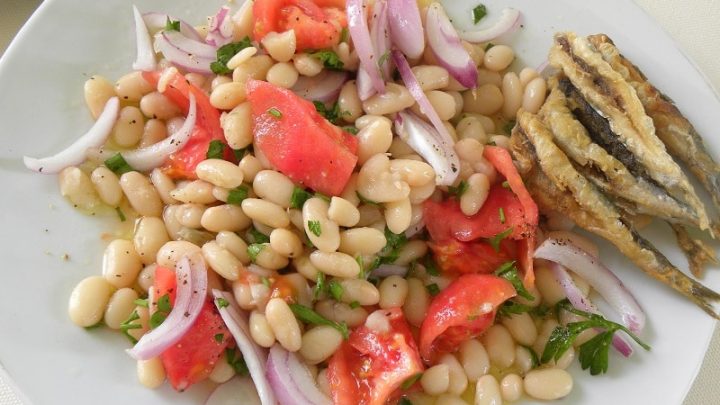
Fassolia Piaz (Greek White Beans Salad)
Fassolia Piaz are white beans boiled and made into a salad. There are a lot of variations of this salad but we like it with tomatoes, onion, tuna, parsley, served with olive oil and lemon juice.
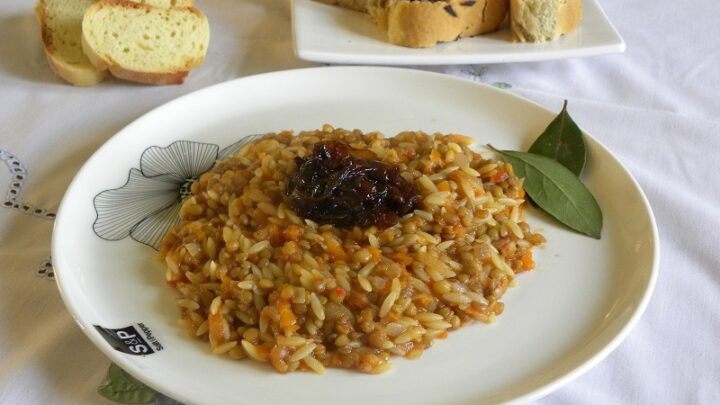
Brown Lentils with Carrots, Orzo and Caramelized Onions
This Brown Lentils with Carrots, Orzo and caramelized onions dish has been one of my family's favourite Cypriot dishes for years.
The addition of carrots and serving them with caramelized onions on top, add a lovely sweetness to the dish and an intense depth of flavour.
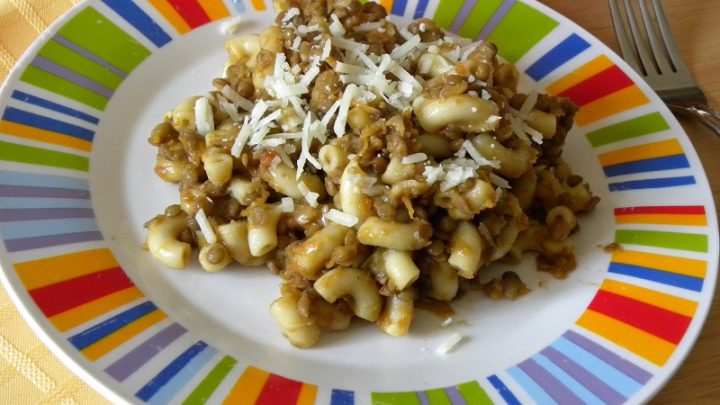
Greek Brown Lentils with Smoked Eggplant and Pasta
Brown Lentils with Smoked Eggplant and Pasta is inspired from my Cypriot dish called Fakhes Moudjentra.  It is a light dish with a lot of flavour from the smoked eggplant as well as sweetness from the onion and carrot. The pasta is cooked in the leftover fluid, which absorbs all the flavour and adds body to the dish, making it a healthy, nutritional and filling dish.
Fakes Moutzentra - Cypriot Lentils with Rice
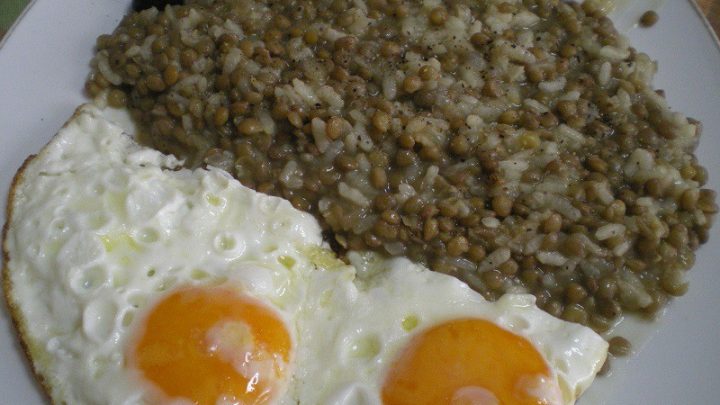
Fakes moutzentra is a lentil recipe we make in Cyprus and is a high protein, balanced healthy food, especially with the combination of rice.

Healthy Mediterranean Lentil Salad
Add extra flavour and texture to your lentil salad combined with plenty of vegetables and protein for a nutritious lunch or side.
Fakes Soupa (Greek Lentil Soup)
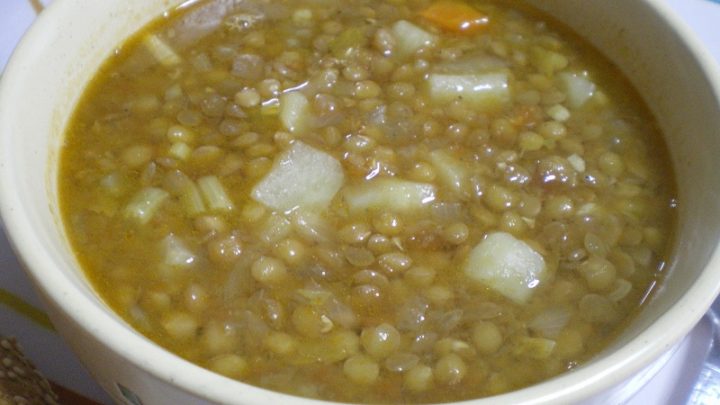
Fakes (pronounced fakhés) is a Greek vegan lentil soup with vegetables.  It is of high nutritional value which makes it perfect for the cold days!
Lentil and Bulgur Spicy Salad
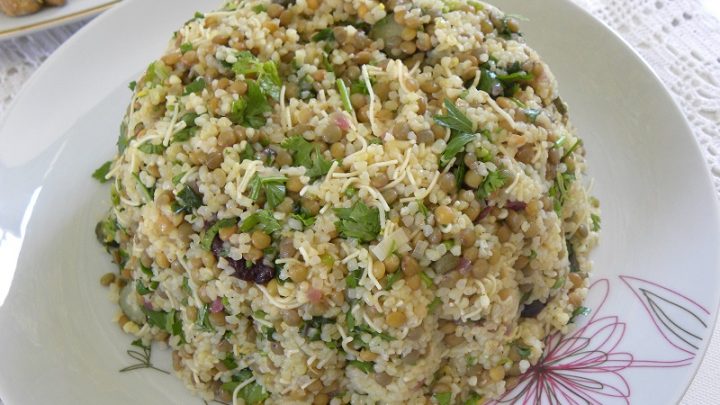
A perfect nutritional, light, summer side dish and why not a main dish. Â The Lentil and Bulgur Spicy Salad is vegan but if you are not vegan, it goes well with some Greek yoghurt.
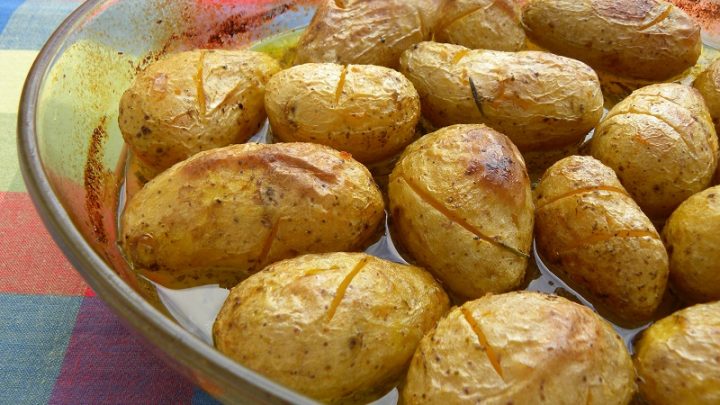
Patates Lemonates (Lemony Greek roasted Potatoes) my way
Patates Lemonates my way, are Greek Lemony Potatoes, which is a twist to the classic Greek side dish of roasted potatoes, with a sweet and sour taste.
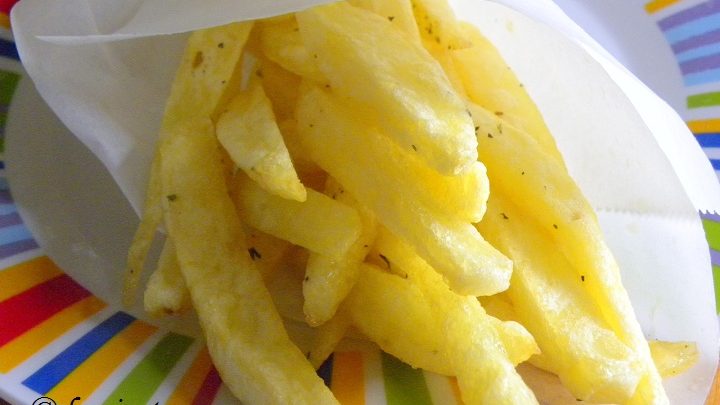
Patates Tiganites (Frιed Potatoes, the Greek way)
In some countries they call them potato chips and in others, French fries, fries or finger chips. Â In Greece, we call them "Patates Tiganites" (pr. pah-TAH-tess Tee-ghah-nee-TESS).
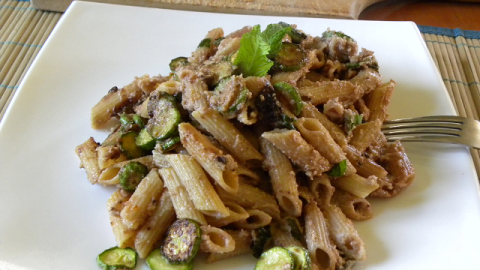
Penne Skordalia with Courgettes and Olives
Penne Skordalia is an easy and healthy pasta dish made with Walnut Skordalia, a Greek diip made with olive oil, garlic, bread and walnuts.
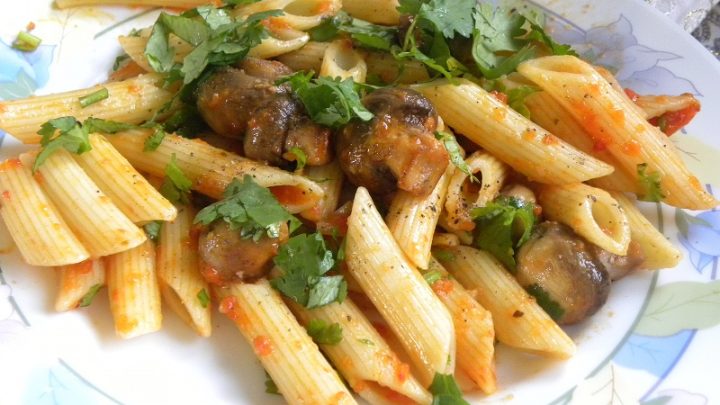
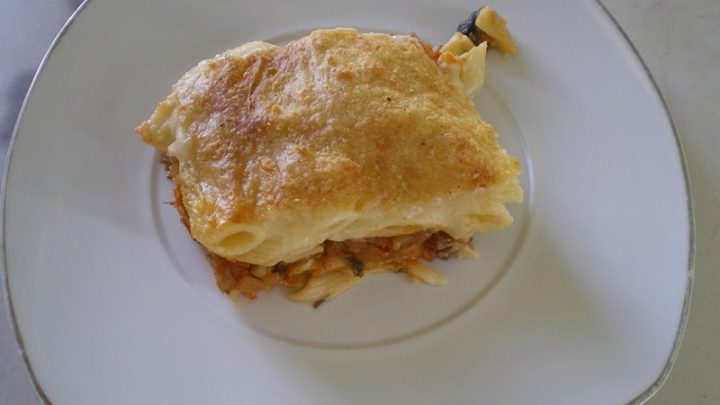
Pastitsio Nistisimo (Vegan)
Pastitsio nistisimo (pr. Pah-STEE-tsio Knee-STEE-see-moh) is a vegan pasta casserole dish made with tubular pasta, vegetable filling and topped with a vegan faux béchamel sauce. The same dish can be made vegetarian using the same filling but adding a real bechamel sauce on top.
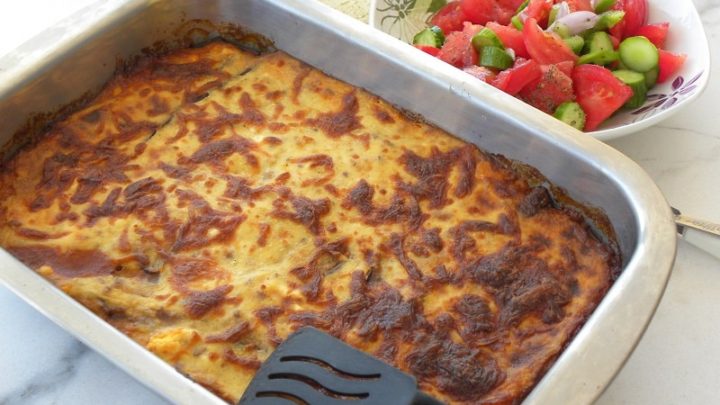
Vegan Moussakas
This vegan moussakas is as delicious as the real one. It is layered with eggplant, potatoes and zucchini, with a vegan vegetable filling and a delicious vegan "faux" bechamel sauce.Â
Pilafi Pligouri (pourgouri) - Bulgur wheat pilaf with Leftovers
A very easy, healthy and nutricious main dish made with bulgur wheat and leftover meat.
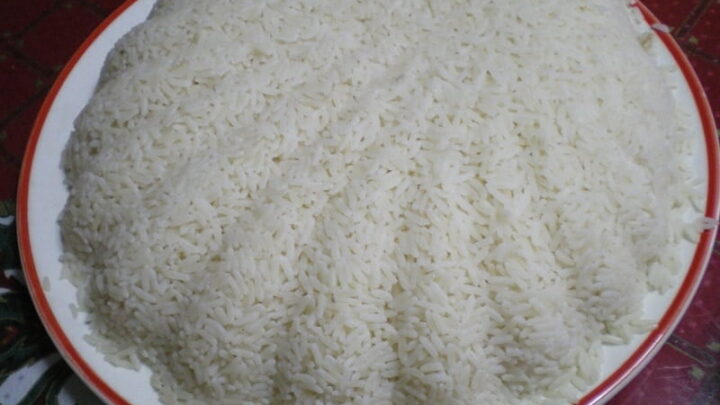
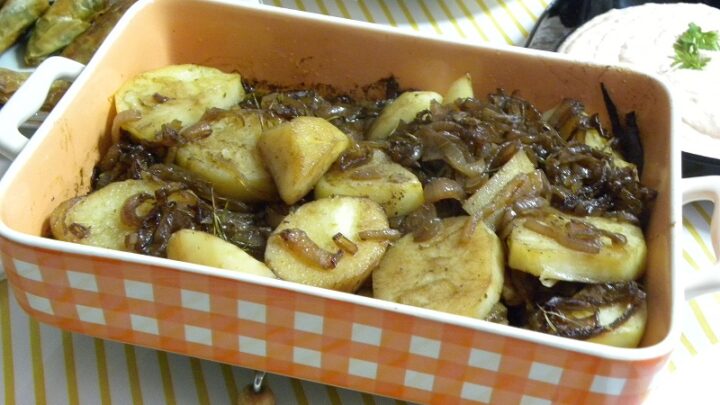
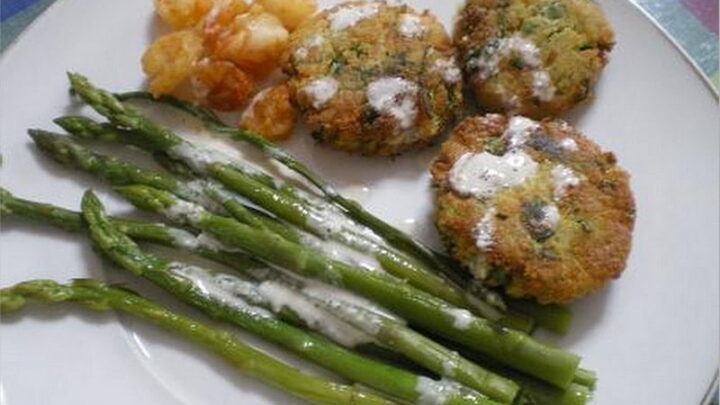
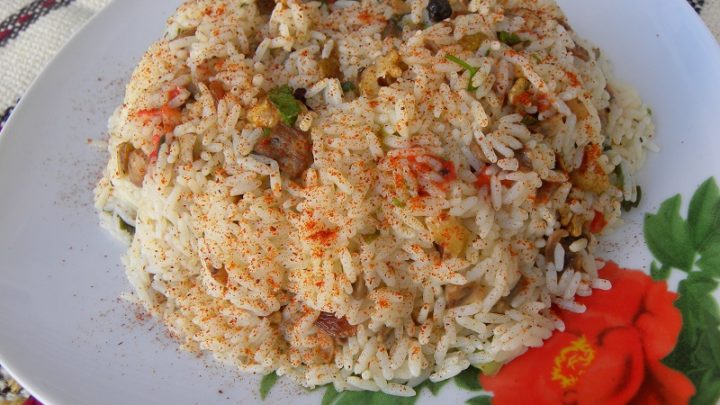
Festive Rice Pilaf with MushroomsÂ
This Easy Rice Pilaf with Mushrooms is perfect for a festive dinner as it is tender, fluffy, and flavorful. It's the perfect side dish to accompany any meal, anytime.
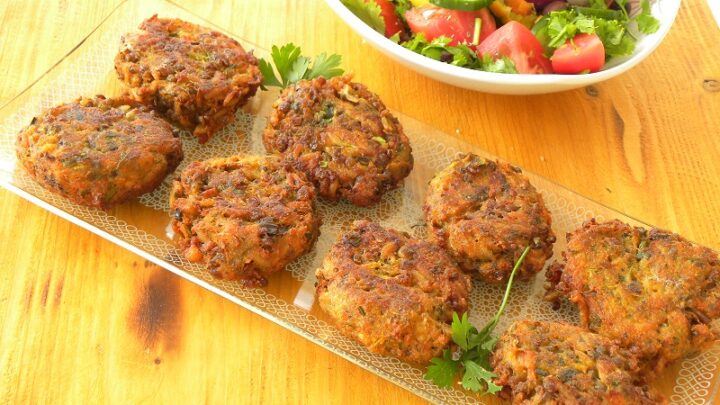
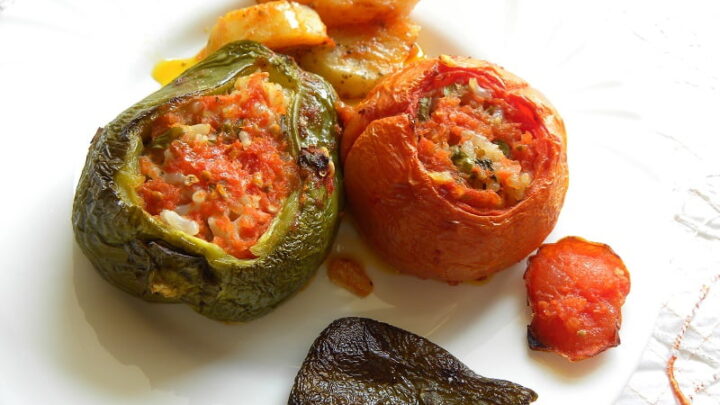
Gemista (Stuffed Tomatoes) and a Well Balanced 3 Course Meal
Gemista (pronounced as ye-mi-STA), are Greek stuffed tomatoes and peppers filled with rice and herbs, baked in a tomato sauce.  Between the gaps of the vegetables we add potatoes which absorb all the wonderful flavours of the vegetables. As potatoes need more time to bake, we must cut them into thin wedges about twice the size of potato chips.
Seafood
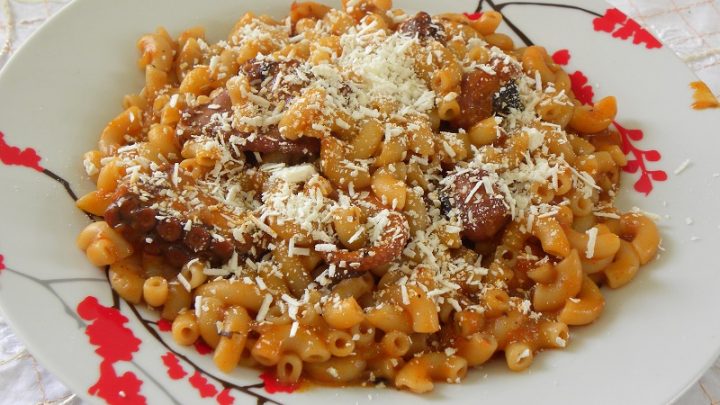
Htapodi (or moschious) me Makaronaki kofto (Octopus in tomato sauce with pasta)
In Greek, htapodi is octopus and makaronaki kofto is a small pasta, like ditali. It is cooked in a tomato sauce and then in the sauce we cook the pasta.   It is a Lenten recipe, so during Lent no cheese is added on top.
Seafood
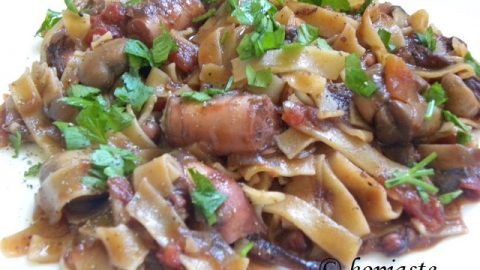
Octopus (Htapodi) with Mushrooms and Homemade Hilopites
Everyone who's ever eaten Greek food, knows about grilled octopus. However, at home, we prepare it in many ways and here is one where the octopus is cooked in its juices.
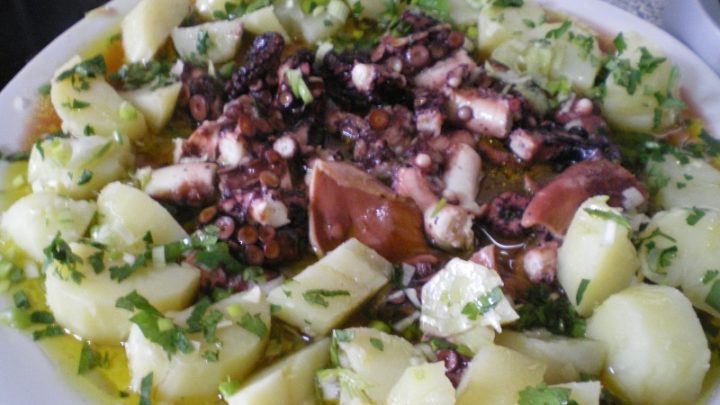
Octopus Salad (Htapodi Salata)
One of my favorite dishes in the whole world is Greek style octopus salad, or “htapodi salataâ€, which combined with boiled potatoes, green onion, parsley and extra virgin olive oil is fabulous served as a side or main dish.
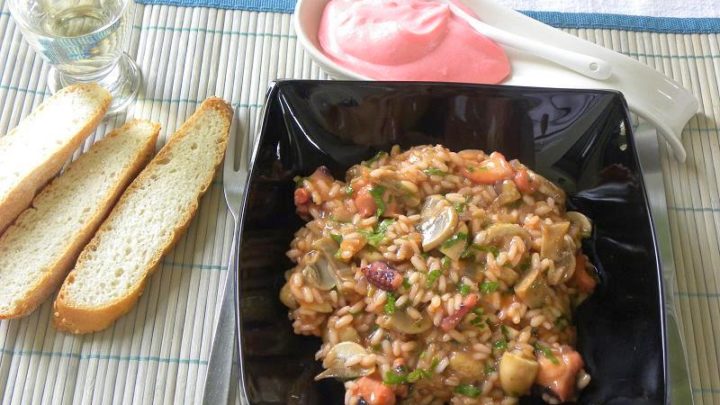
Octopus Risotto
Octopus Risotto is a delicious and healthy dish, which is perfect not only for those fasting during Orthodox Lent but for our everyday meal.
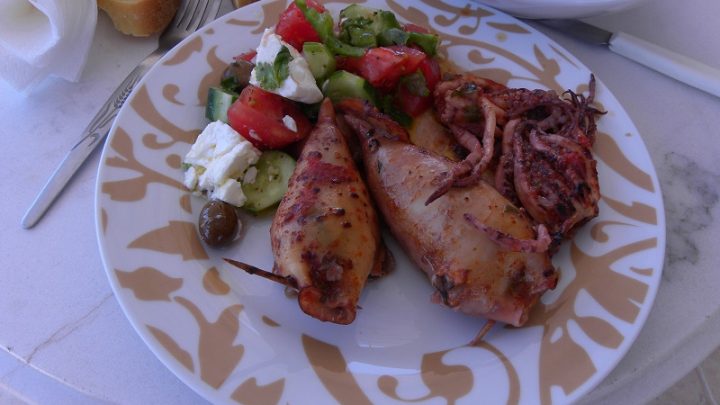
Kalamaria or Thrapsala Tiganita or Gemista (Fried or Stuffed Kalamari)
Kalamaria (pr. kah-lah-MAHR-ghia), is a very popular dish in Greece and Cyprus, especially during Lent when seafood is allowed to be eaten.
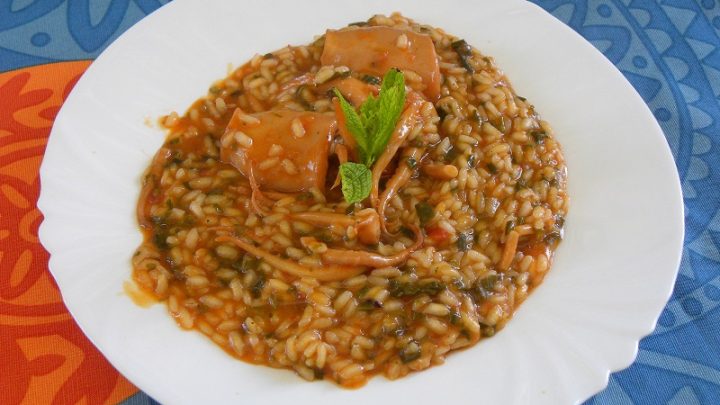
Three Recipes with Thrapsala (Shortfin Squid)
Thrapsala (Illex coindetti or shortfin squid) are of the same family as calamari but much more cheaper, at least here in Greece, but equally delicious.
This looks delicious. I am sorry about the other blogger being such an accuser and bully - it's sad that people like that are everywhere, even amongst bloggers, who are generally so friendly. I am glad you posted the recipe!
City Girl's last blog post..What's Cooking Wednesday and Bookmarked Recipes #49 - Khatte Chole / Sour Chickpeas
That dish looks mighty good! Surely very flavorful and definitely heavenly! I'd love to sit at your table to share a meal with you ;-P!
Cheers,
Rosa
Ivy, first of all the dish is wonderful, I too have an appreciation of Mastixa and I also recently made a Lenten dish with shrimp and Mastixa. Mine is different from yours and I don't think you or anyone else has thought to be the genius to think up such a combination.
You're perfectly just in posting your dish, I believe you (as I'm sure others were). The facts will play out very shortly.
Peter's last blog post..Fried Calamari
Me and my hubby absolutely love shrimp,like you succulent flavorful saganaki.
And similar recipe posts coincide very often in the blog sphere,it really silly to think one has copied from other.I'm also glad you posted your recipe.
yasmeen's last blog post..Lunch Box Friendly :Vegetable and Mango Jam Pockets
I'm sorry also that you had to deal with this man. Your recipe is wonderful!!
Oh Ivy, I am not a Greek Blogger but unfortunately know exactly who you are talking about. I love how you dealt with this issue. True class and tact!!! Sorry he has gotten you too. Love the recipe!!!
Judy's last blog post..Pumpkin Bread with Dried Cranberries
This looks devine Ivy - yum!
Yum! shrimp and mushrooms, this looks delicious.
Bobby's last blog post..Calzones Recipe
Ciao ! Ivy Thank you for your nice message ! I love your dish it must have been so good suitable for your birthday !! I love how beautiful are the Bourekia !
natalia's last blog post..Earthquake Again
Ivy, I think this shrimp saganaki with Masticha is wonderful. To think, that a woman like yourself , who lives in Greece can even think of such a dish. I thought all Greek dishes were created by "you know who"...I heard he has copyright over them!...lol!
I hope you like my sarcasm and I will be emailing you!
Ola kala...Panagioths
My kids & I just love Shrimp. This is such a gorgeous recipe! huh! someone copyrighting a traditional recipe & then accusing u? Brush him/her aside. U dealt with it pretty well Ivy:D
Happy Easter!
Soma's last blog post..Jellied Tomato Salad
Ivy, I'm sorry you had to go through this ... I have been behind on blogging lately and just got to read this post of yours. How awful for people to actually have the nerve, the gall, to assert they created dishes. And to even take it a step further and essentially "harass" you about it. I feel sorry for this person as he has nothing better to do with his time.
As for your dish--I would much rather dive into a large platter of your own version of shrimp saganaki me mastiha along with a big "fratzola" of bread for dipping.
Maria's last blog post..Savvato tou Lazarou--Saturday of Lazarus
it's disgusting to hear that you have been intimidated by emails and warned not to post what you created and wrote about.
i congratulate you on your courage to beat down bullies.
keep doing what you do best
KALO PASXA
maria's last blog post..Gifts from Crete (ΔÏŽρα απÏŒ τη Κρητη)
Just returned on a trip from Greece and loved your recipe, tried it tonight and it was so good.
Want to know if you also have a recipe for Tomato Fritters or tomato keftethes?
Have seen different recipes but not quite certain which to use.
Would appreciate it if you could email me a recipe if you have it.
Thanks for the Saganaki recipe
Thanks Cheryl for leaving a comment and I am glad that you liked the shrimps. I have a recipe for tomato fritters, which I hope you will like. http://www.kopiaste.org/2009/09/summer-escapes-part-i-evia-and-ntomatokeftedes-tomato-patties/