Homemade Ladyfingers (Savoyard Cookies)
This is my go to recipe when I want a small batch of homemade ladyfingers without waste. These come out light, airy, and delicately crisp on the outside, exactly how classic Savoyards should be.
The key is not just the ingredients, but understanding the technique behind them.
What are ladyfingers
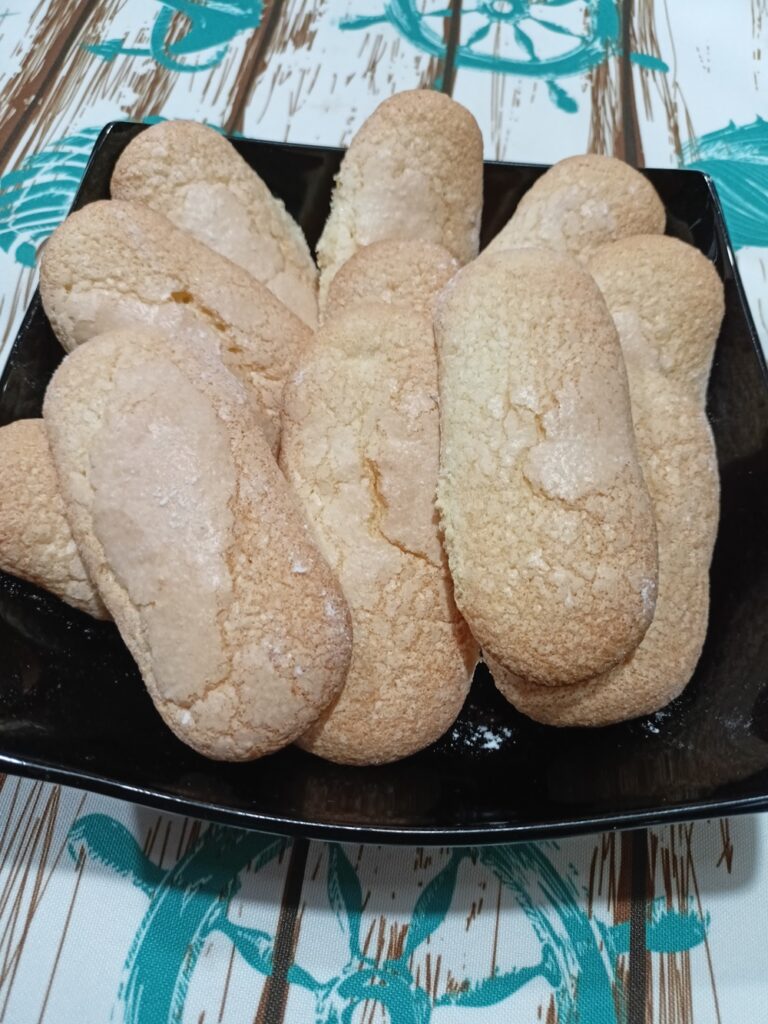
Ladyfingers, also known as Savoyard, are light sponge biscuits made primarily from eggs, sugar, and flour.
Their signature characteristic is their airy structure, which comes from whipped egg whites rather than chemical leavening.
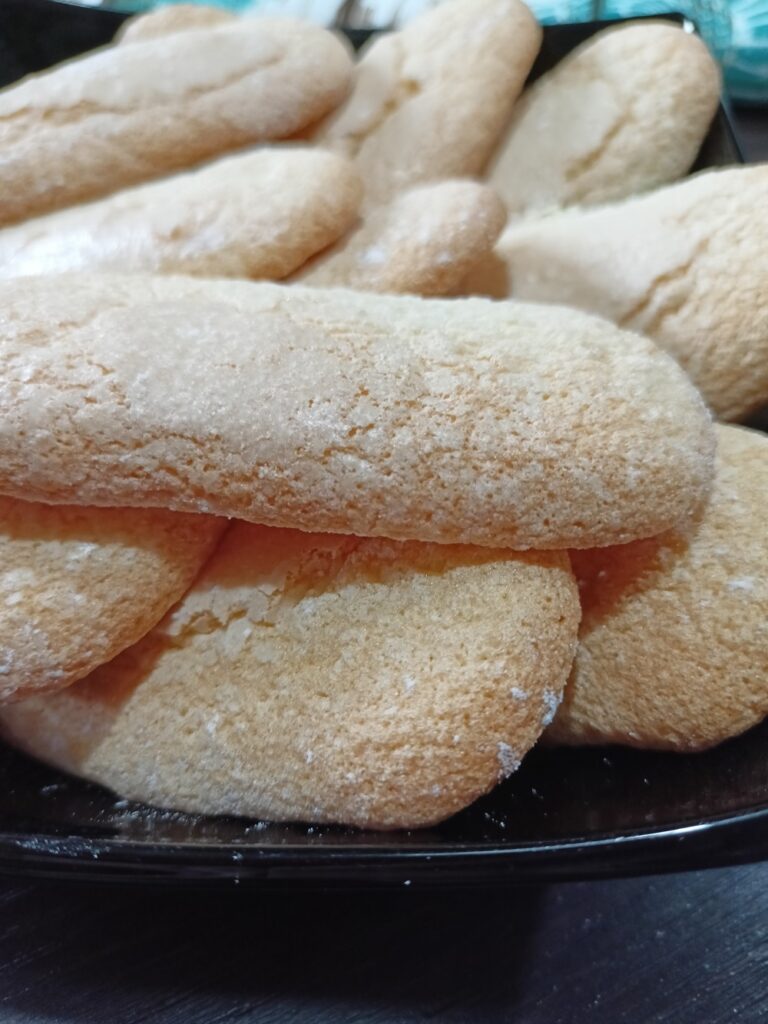
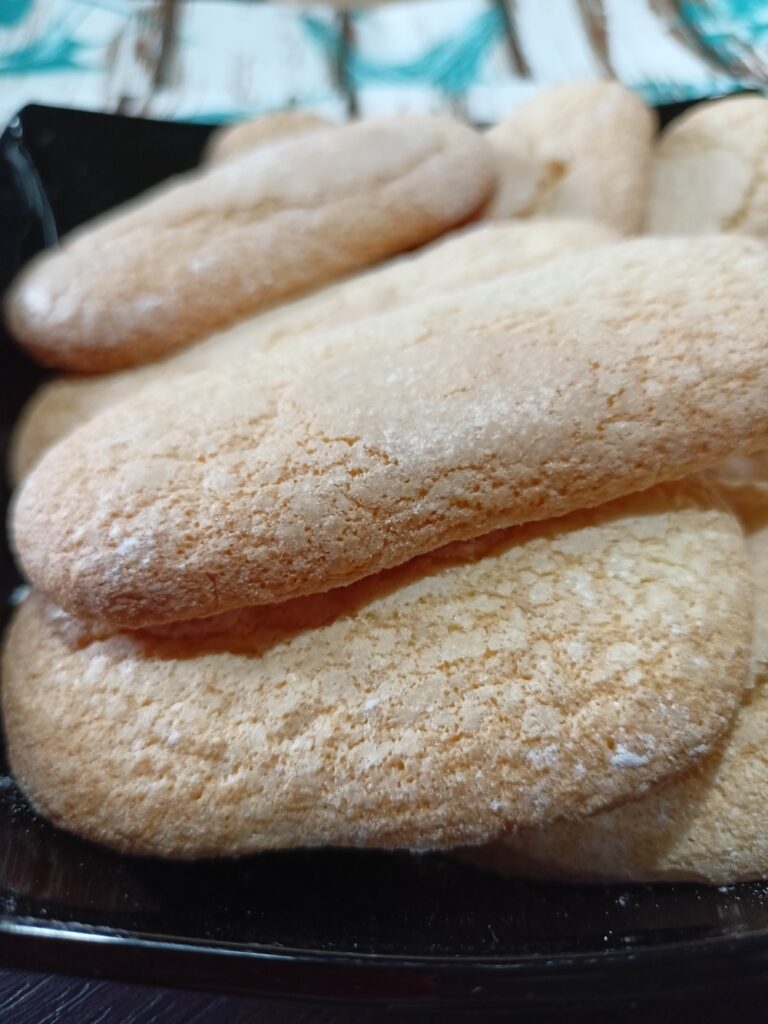
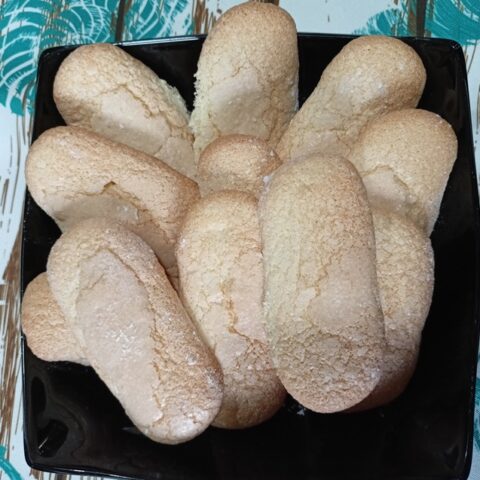
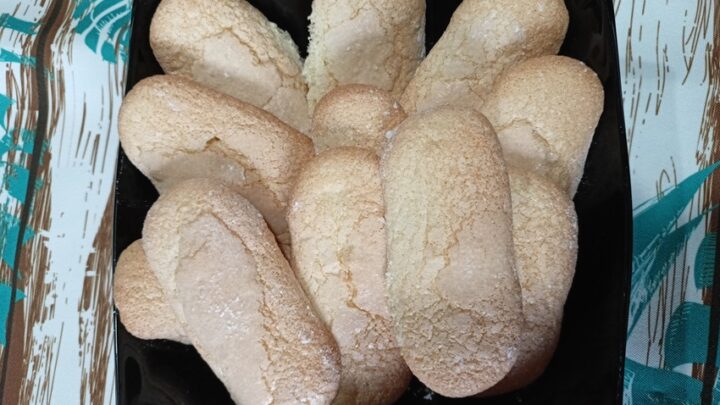
They are shaped into elongated fingers and have a delicate crisp exterior with a soft, sponge like interior.
When freshly baked, they are slightly tender, but when baked longer or dried, they become crisp and perfect for soaking.
Origin and history
Ladyfingers originate from the Savoy region, which historically included parts of modern Italy and France.
They were first created in the 15th century at the court of the Duchy of Savoy to celebrate a royal visit.
Over time, they became widely known across Europe, especially in Italian and French pastry traditions.
Today, they are most closely associated with Italian desserts, particularly Tiramisu, but their influence extends far beyond that. See also my Easy No-Bake Cherry Limoncello Delight!
Why they are unique
Unlike most cookies or biscuits, ladyfingers rely entirely on air incorporated into the eggs for their structure.
This gives them a texture that is both light and absorbent.
Their ability to soak up liquids without completely collapsing makes them ideal for layered desserts.
The sugar dusted crust also creates a subtle contrast in texture, which is a defining feature.
Expanded baking tips
Using room temperature eggs helps achieve better volume when whipping both yolks and whites.
Cold eggs do not incorporate air as effectively.
Sifting the flour is essential because it prevents lumps and allows it to fold more easily into the batter without deflating it.
When folding, if using a spatula, it is important to use gentle motions, turning the mixture from the bottom up.
This preserves the air that was incorporated during whipping.
The consistency of the batter should be thick but pipeable.
If it spreads too much after piping, it usually means the egg whites were not whipped enough.
Spacing between the piped fingers should be sufficient because they expand slightly during baking.
Storage details and texture management
If you want to keep them soft, store them in an airtight container as soon as they cool.
If you prefer them crisp, you can leave them uncovered for a few hours or briefly return them to a low oven to dry out.
Humidity plays a big role. In humid environments, they soften quickly, so airtight storage is essential.
Creative ways to use ladyfingers
They are best known as the base for tiramisu, where they are soaked in coffee and layered with cream.
They can be used to line molds for charlotte cakes, creating an elegant dessert structure.
They can be layered with custard, whipped cream, or yogurt and fruit to create quick no bake desserts.
They can be dipped in chocolate and served as simple tea biscuits.
They can also be crushed and used as a base for cheesecakes or mixed into dessert crumbs for added texture.
Homemade Ladyfingers (Savoyard Cookies)
Learn how to make perfect small batch of Classic Ladyfingers (Savoyard or Savoiardi Cookies) which are easy to make because here you will learn the technique of making them!
Ingredients
- 2 large eggs, separated
- 60g sugar, divided
- 10g vanilla sugar
- 10g all-purpose flour
- 10g cornstarch (optional, but helps lightness)
- Pinch of salt
- 2 tablespoon powdered sugar (for dusting)
Instructions
- Preheat oven to 160°C (320°F) if fan forced or 180°C (350°F), for conventional oven.
- Line a baking tray with parchment paper.
- Sift flour with cornstarch. Add vanilla sugar and mix to combine.
- Beat egg whites with salt on high speed until soft peaks form.
- Slowly add 25 g sugar.
- Beat to stiff glossy peaks. Remove to a bowl and set aside.
- Beat egg yolks with the remaining sugar.
Whip until thick pale and creamy. - Lower mixer speed to the lowest setting and gently fold egg whites into yolks.
- Add dry ingredients and mix just until combined without deflating the batter.
- Pipe strips about 8 to 10 cm long.
- Dust with powdered sugar. Wait 5 minutes and dust again.
- Bake for 10 to 12 minutes until lightly golden.
- Cool completely and store in an airtight container.
Notes
Baking Tips
Flour choice is very important. All purpose flour works well but cake flour gives a softer and more delicate texture.
Bread flour should be avoided because it creates a dense result.
If using a convection oven we reduce the temperature to 160 to 170 degrees and check earlier because they bake faster and can dry out quickly.
For softer ladyfingers we bake just until lightly golden. For crisp store style ladyfingers we bake slightly longer nd leave them in the turned off oven to dry.
Double dusting with powdered sugar creates the signature crackly top and should not be skipped.
The batter must stay airy so overmixing will ruin the texture. Properly whipped egg whites are essential for structure.
Nutrition Information
Yield 12 Serving Size 1Amount Per Serving Calories 50Total Fat 1gSaturated Fat 0gUnsaturated Fat 1gCholesterol 31mgSodium 12mgCarbohydrates 10gFiber 0gSugar 8gProtein 1g
"These values are automatically calculated and offered for guidance only. Their accuracy is not guaranteed."
Recipes using Ladyfingers (Savoyard Cookies)
Here are some recipes, using Ladyfingers (Savoyard Cookies)!
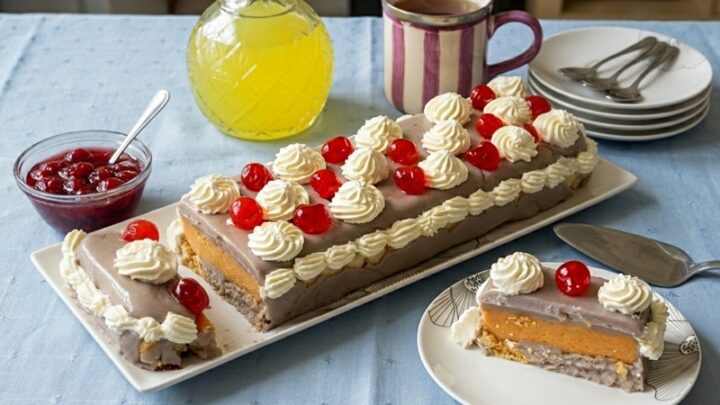
Easy No-Bake Cherry Limoncello Delight
A creamy no-bake cherry limoncello dessert with custard, Savoyard biscuits, and whipped cream. Includes variations, tips, and substitutions for the perfect
Easter treat.
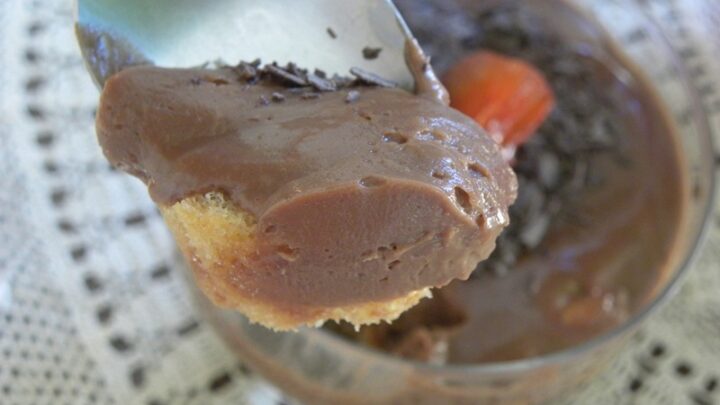
Chocolate-Lemon Posset with Savoyard Cookies
This Chocolate Lemon Posset with Savoyard biscuits is a rich and creamy no-bake dessert made with dark chocolate, lemon, condensed milk, and liqueur-soaked ladyfingers.
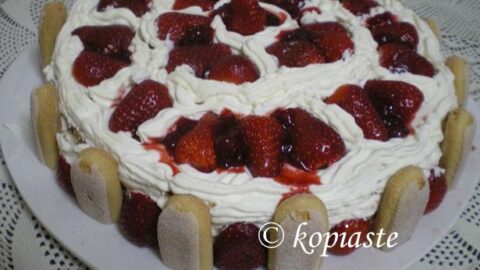
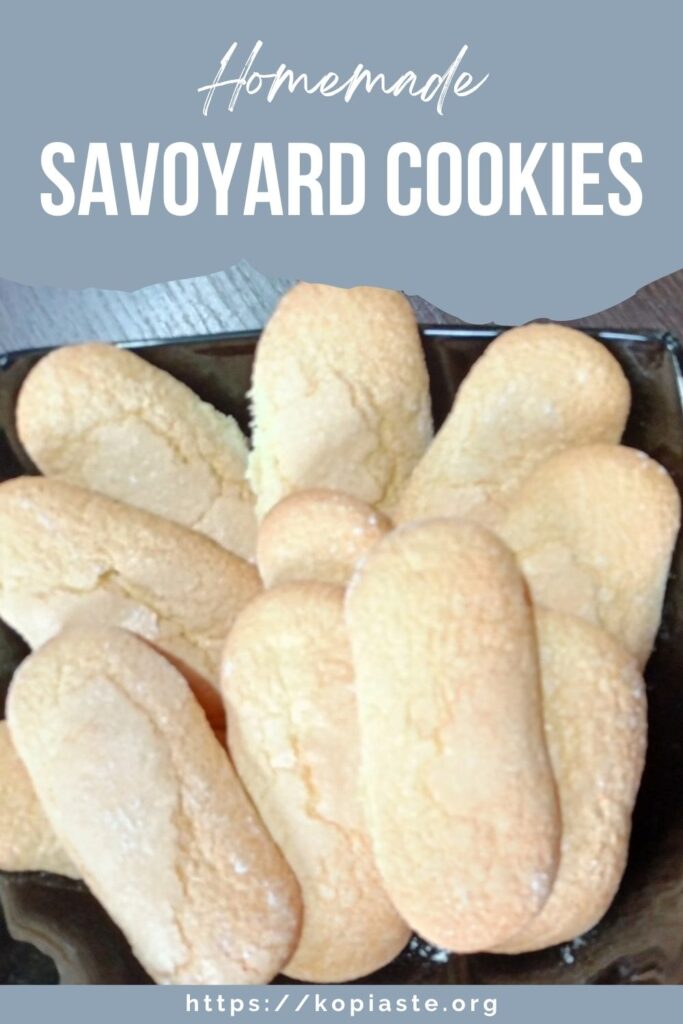
Homemade Ladyfingers (Savoyard Cookies)
Learn how to make perfect small batch of Classic Ladyfingers (Savoyard or Savoiardi Cookies) which are easy to make because here you will learn the technique of making them!
Kopiaste and Kali Orexi,