
Cheese Saganaki
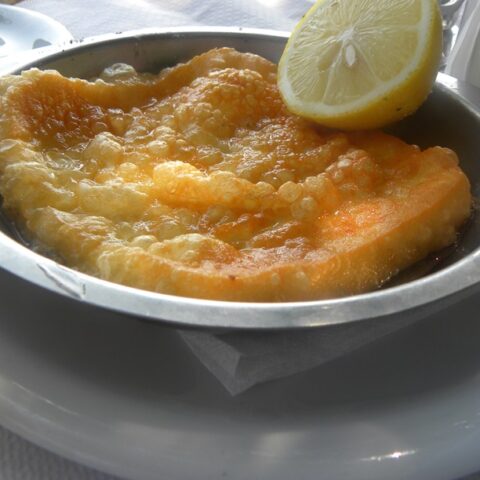
Saganaki is a pan seared cheese, one of the best Greek mezedes (plural of the word mezes). For my readers who are new to this blog, mezes is an appetizer served with wine, ouzo or tsikoudia.
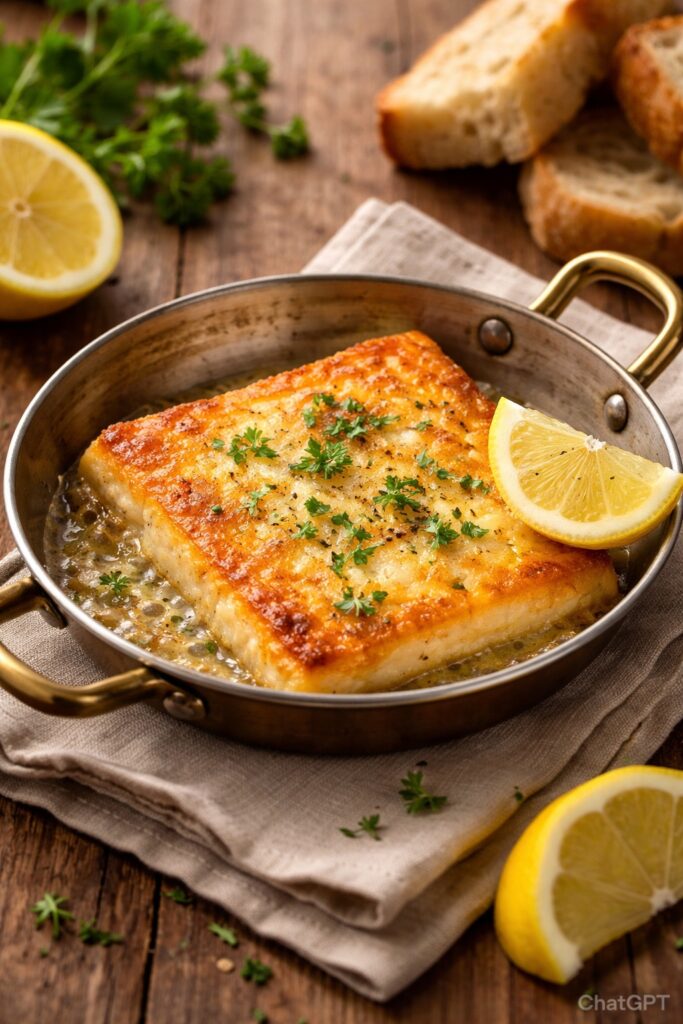
There is a lot of false information given on the internet and if your read about saganaki in Wikipedia, you will read that it means flaming cheese, sometimes translated as fried cheese.
In Greece no one flames the cheese. This was invented in the United States as an attraction in restaurants.
(Update 2026: Well, I just checked it years later and finally they have fixed their post!!!).
A Short Historical Note on Saganaki
The word “saganaki” does not originally describe the ingredients, but the vessel in which the dish is cooked in.
It comes from the Turkish word sahan, meaning a small, usually two-handled frying pan.
During the Ottoman period, the term passed into Greek culinary vocabulary and remained associated with dishes prepared and served in this shallow metal pan.
Over time, “saganaki” came to describe a whole category of foods cooked in this way, from the famous fried cheese to shrimp in tomato sauce or mussels saganaki.
What unites them is not a single recipe, but the method: ingredients cooked quickly in a small pan and brought straight to the table, in this pan, bubbling and fragrant.
It is a beautiful example of how a cooking utensil gave its name to an entire style of Greek dishes, simple, immediate and deeply convivial.
So, saganaki has nothing to do with the cheese but it is the cooking "pan" in which it is made and usually served in, called "sagani".
That does not mean, of course, that we cannot make saganaki in any other frying or sautéing pan.
Note:
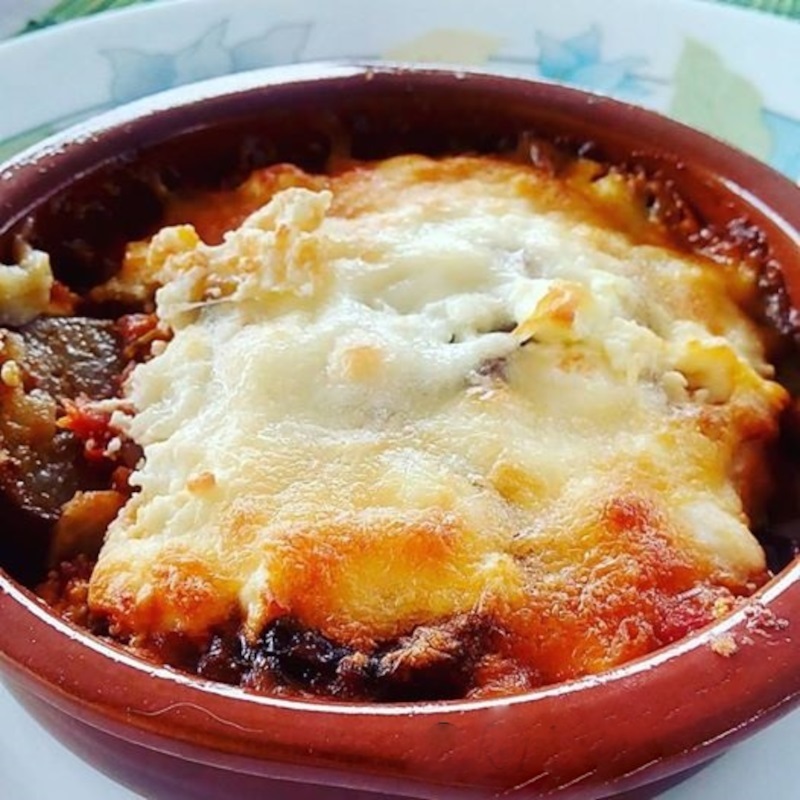
As explained, saganaki originally referred to the dish it was cooked in. Over time, however, the term expanded in restaurant cuisines to include oven-baked dishes prepared in individual ceramic or clay dishes, especially when topped with melting cheese.
While this is not the original definition, it reflects the natural evolution of culinary language. An example is my Eggplant (melitz;anes) saganaki dish.
What kind of cheese do I need to make Saganaki
Cheese Saganaki is very easy to make but you will need a very good Greek hard cheese. In Greece, you can find Saganotyri, which is made especially for this purpose.
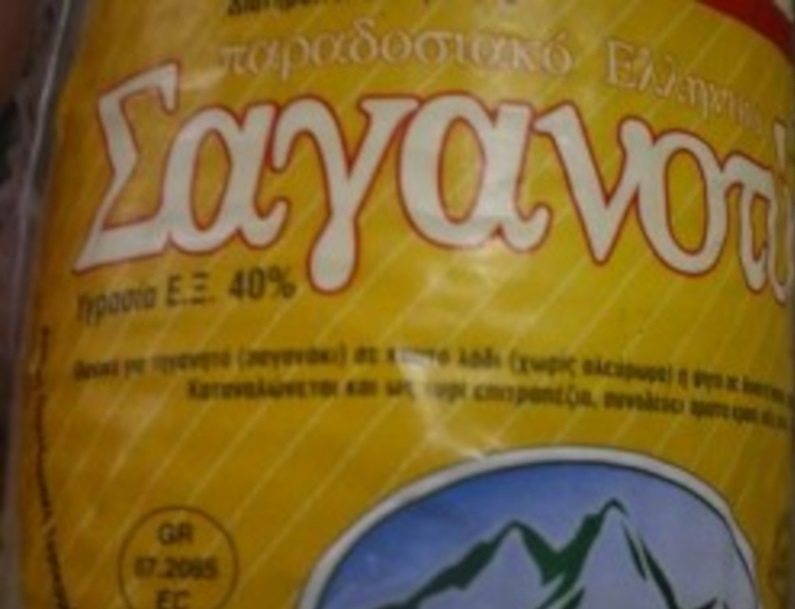
For those who can read Greek, they will see on the label that it says Traditional Greek Cheese, ideal for frying (saganaki) in hot oil (no dredging in flour is necessary) or grilled etc..., ideal for wine, ouzo etc.
However, saganaki can be made with many other Greek cheeses, such as Graviera, Kefalotyri, Kefalograviera, Formaella, Halloumi, Kaskavalli (another very good Cypriot cheese), hard feta or the special saganotyri you see in the photo, above.
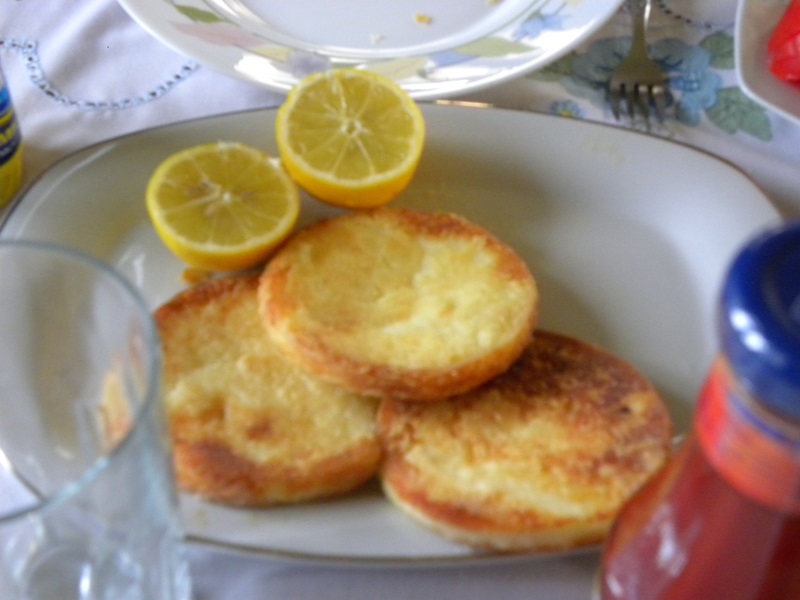
Cheese Saganaki is something I make quite often here is a different way to make it.
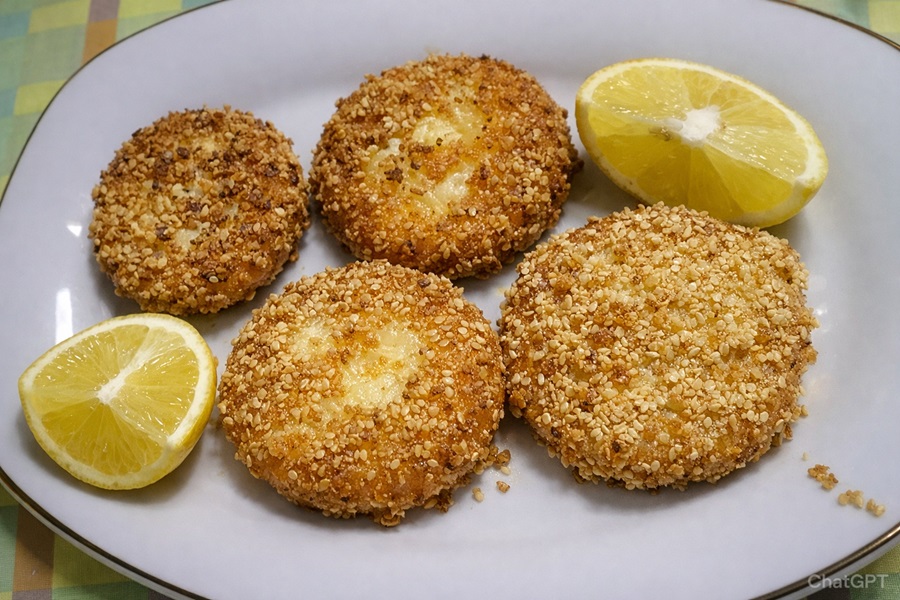
Fried Saganotyri with sesame seeds
Ingredients
- Saganotyri or any other of the above cheese
- 1 egg or milk to wet the cheese
- ½ cup sesame seeds (or flour)
- ¼ cup olive oil
- 1 lemon
Directions
- Cut the cheese into 1 cm thick slices.
- Beat the egg and wet the cheese (or wet it with the milk), then dip it in the sesame seeds. If you don't like sesame seeds, just wet it and dredge it in flour.
- Heat the olive oil in a saganaki pan or if you don't have one in a frying or sautéing pan and fry on both sides.
- Serve hot with a squeeze of some lemon juice.
Cheese Saganaki
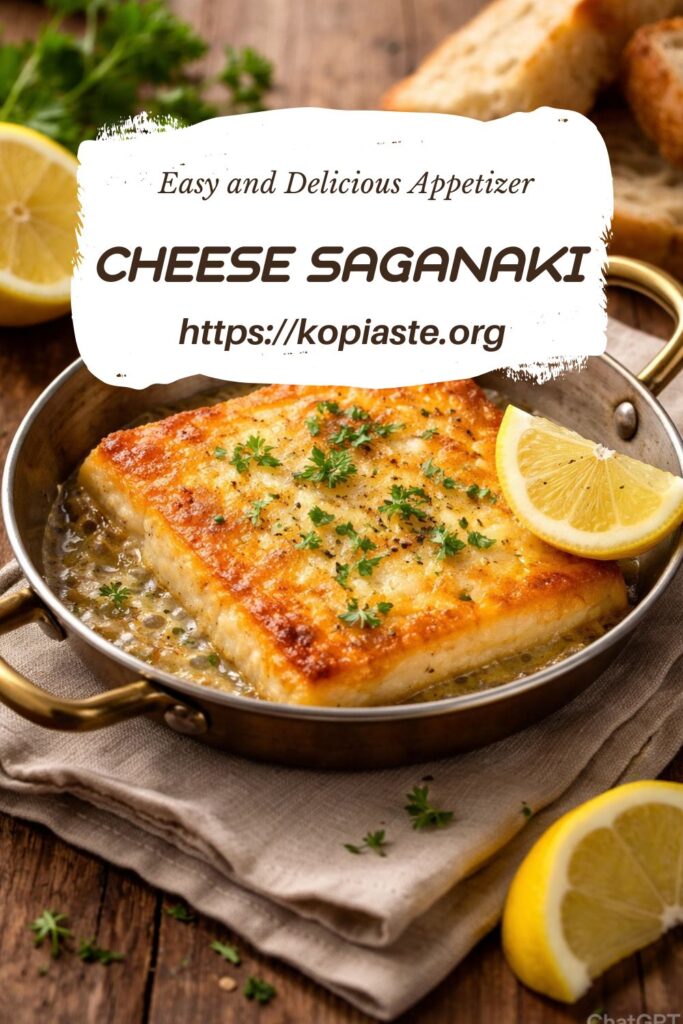
Authentic Greek cheese saganaki, pan-fried to a golden crust and finished with lemon. An easy traditional Greek appetizer made with kefalotyri or graviera.
Ingredients
- 1 slice (about 200 grams) Kefalotyri or Graviera, about 1 cm thick
- 2 tablespoons plain flour
- 2–3 tablespoons olive oil
- 1 wedge lemon
- Freshly ground black pepper (optional)
Instructions
- Pat the cheese dry with kitchen paper.
- Lightly dredge it in flour on all sides, shaking off the excess. The flour helps create a crisp crust and prevents sticking.
- Heat the olive oil in a small frying pan over medium heat. The oil should be hot but not smoking.
- Place the cheese carefully into the pan and fry for about 2–3 minutes on the first side, until deeply golden.
- Turn it carefully with a spatula and fry the other side for another 1–2 minutes.
- Remove immediately and serve at once, squeezing fresh lemon juice over the top.
Notes
Tips for Perfect Saganaki
• The cheese must be cold from the fridge
before frying.
• Do not use feta as it will melt completely, unless it is a very hard feta.
• If the oil is too hot, the crust will brown before the inside softens.
• Serve immediately; saganaki waits for no one.
Nutrition Information
Yield 2 Serving Size 1Amount Per Serving Calories 64Total Fat 0gUnsaturated Fat 0gSodium 1mgCarbohydrates 15gFiber 2gSugar 1gProtein 2g
"These values are automatically calculated and offered for guidance only. Their accuracy is not guaranteed."
I am sending this over to Loulou, who is hosting La Fête du Fromage.
Tyrini Sunday Recipes
Here are some creations of mine with cheese:

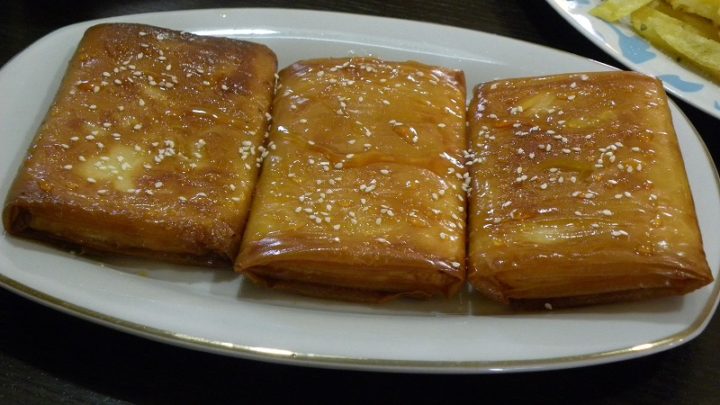
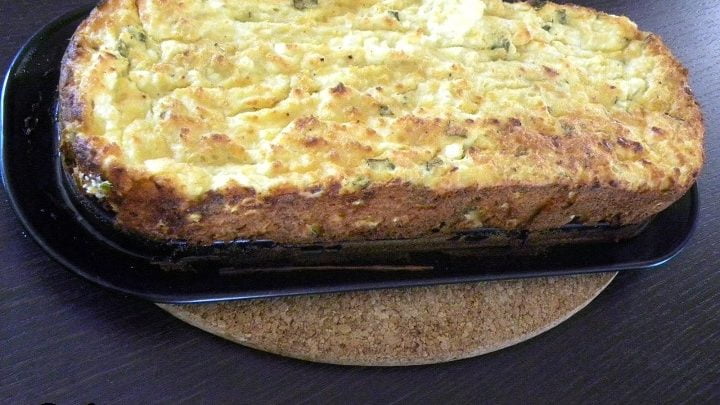
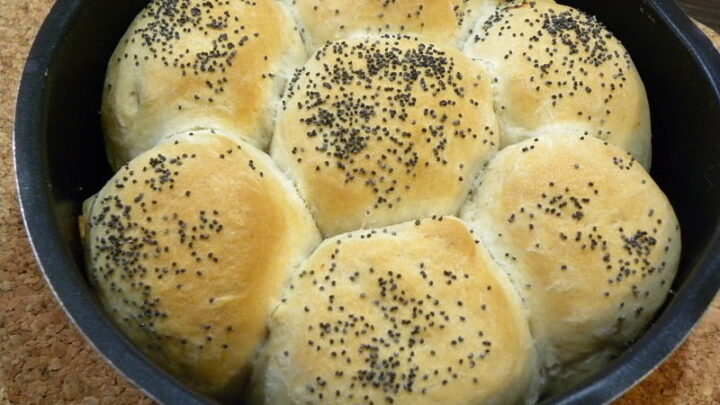
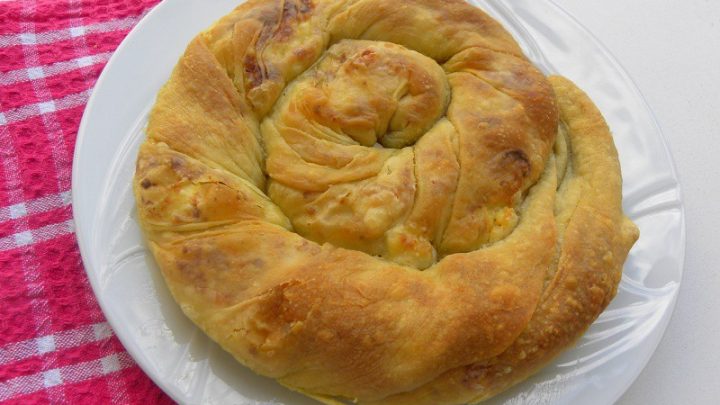
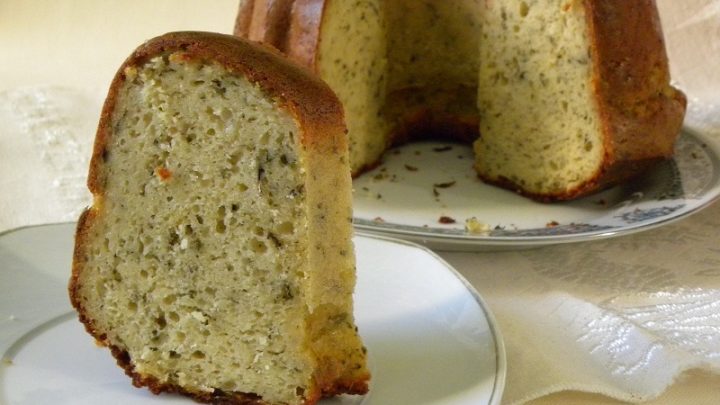
Halloumi-Graviera Pull-aparts
Halloumi-graviera pull-aparts are individual filled bread placed next to each other and baked so that when baked they join into one large bread which can easily be separated by pulling each piece.
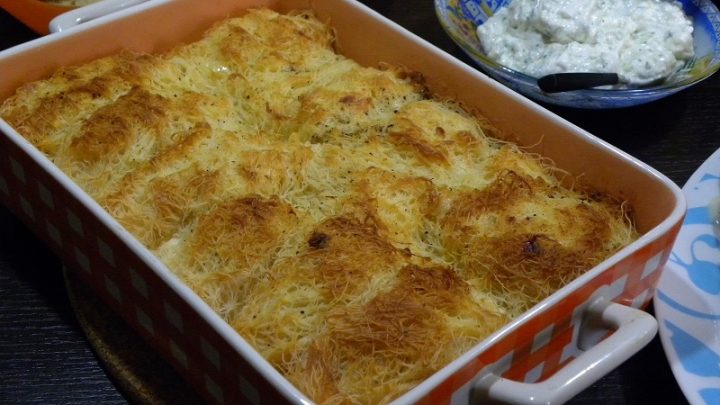
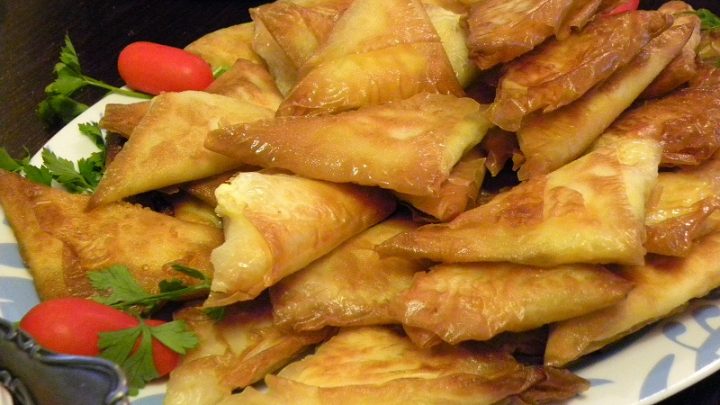
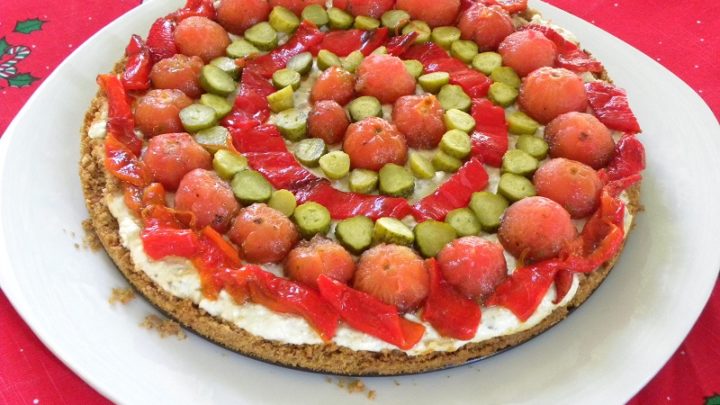
Dakos Savoury Greek Cheesecake
A savoury cheesecake I made during Christmas, based on the Greek Cretan recipe for Dakos.
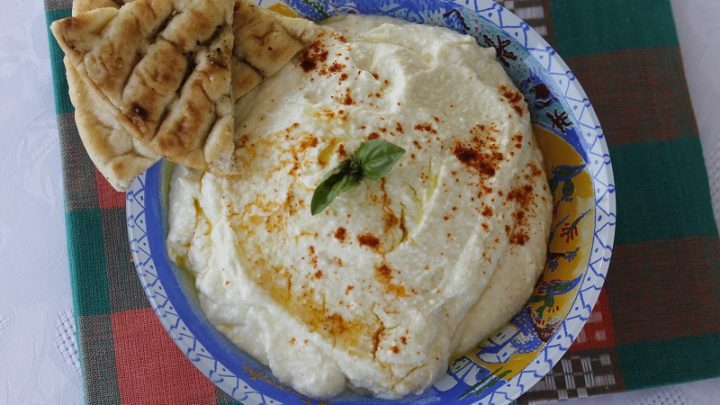
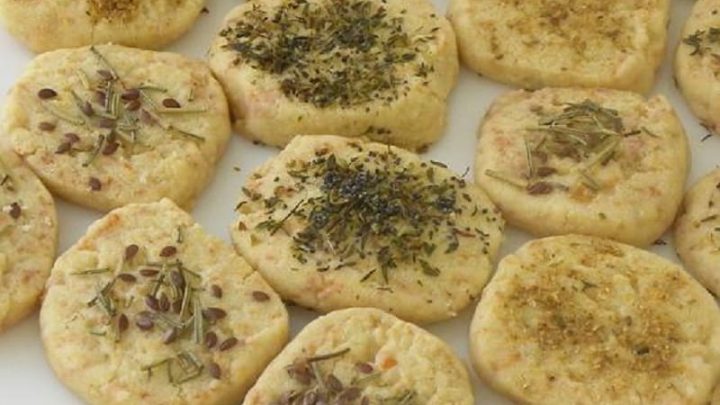
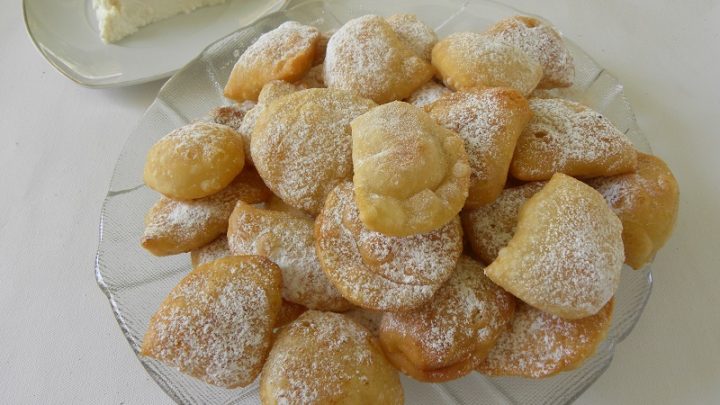
Bourekia me Freskia Anari - Pastries with Fresh Anari Cheese
Boureki (plural bourekia) is a type of pastry made of a thin flaky dough known as phyllo and are filled with anari (anthotyros or myzithra, as it is known in Greece), which is similar to ricotta.
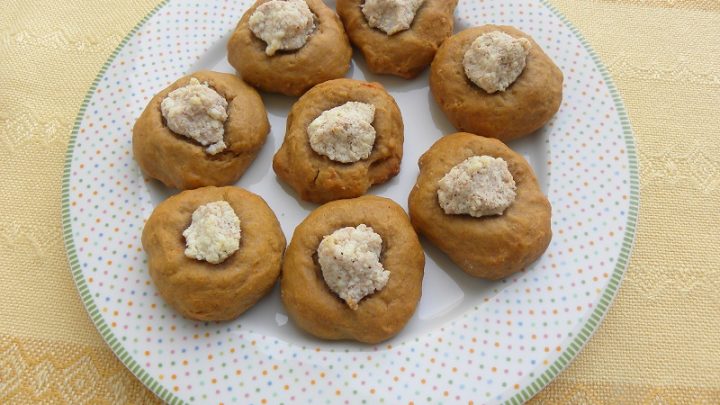
Moustokouloura with Fresh Grape Juice and Anthotyros
Moustokouloura cookies can be made either with fresh grape juice or grape molasses. They are perfect as a snack or for breakfast!
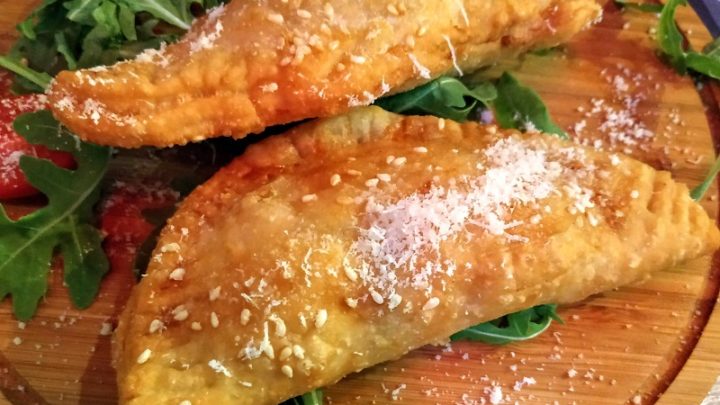
Tyropitari
Tyropitari pronounced Tee-rho-pee-TAH-ree, is a homemade Greek pastry filled with feta cheese and deep fried, which is served as an appetizer.
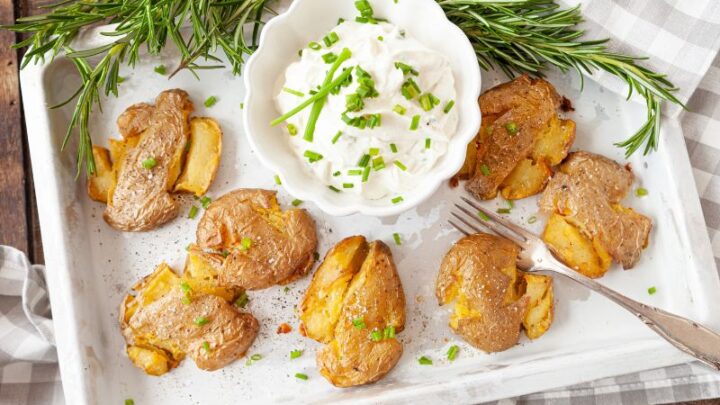
Easy and Delicious Greek Smashed Potatoes
These easy Greek Smashed Potatoes are first boiled, drained and smashed. Then a garlic butter is added on top with graviera cheese and broiled until the cheese melts.
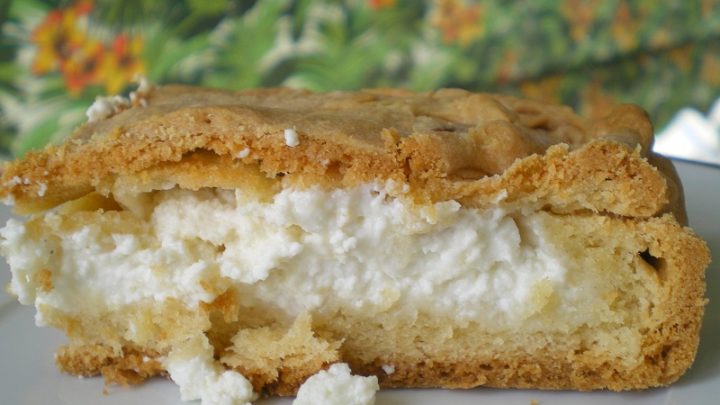
Tyropita with Kourou Phyllo
Tyropita Kourou is a cheese pie made with a type of phyllo made with butter and yoghurt, which I would describe somewhat like tart dough.
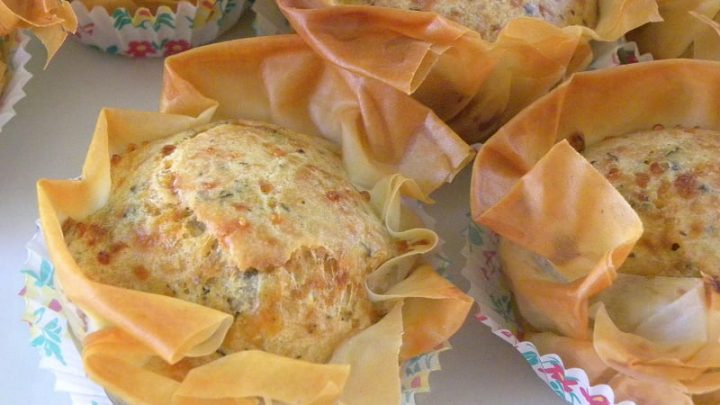
Cypriot Muffins in Phyllo Cases
Halloumi Muffins are based on my Kypriaki Tyropita (a savoury halloumi cake) but made in muffin tins which are lined with phyllo pastry.
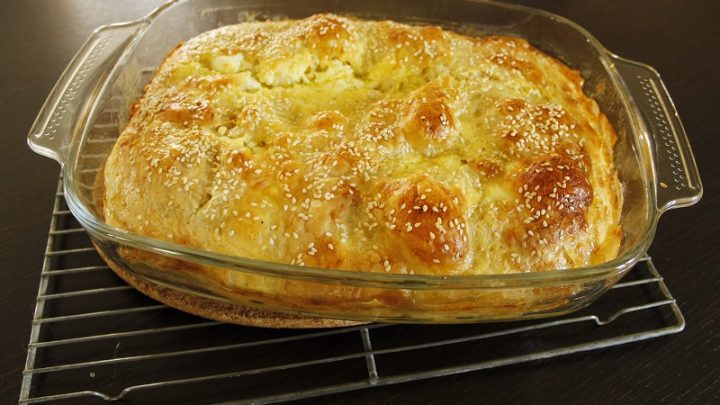
Greek Creased Cheese Pie (Patsavouropita)
Creased Cheese Pie is a different Greek pie called Patsavouropita (pronounced. pah-tsah-vou-RHO-pee-ta), which is very easy to make and tastes amazing.  This Greek pie is made by creasing each phyllo sheet and dipping it in a batter made with soda water, eggs and feta.
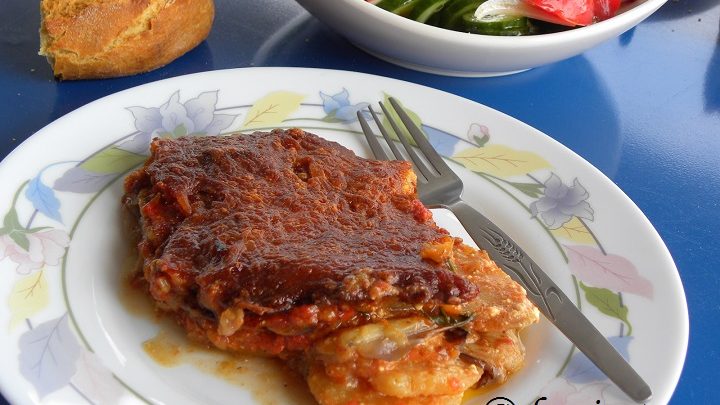
Eggplant - Potato Casserole Gratin with Feta and Mozzarella
Eggplants (aubergines) are now seasonal and combined with potatoes and cheese makes this a delicious summer meal. Â The secret of this dish is the addition of potatoes which suck up all the deliciousness of the sauce, which make it irresistible.
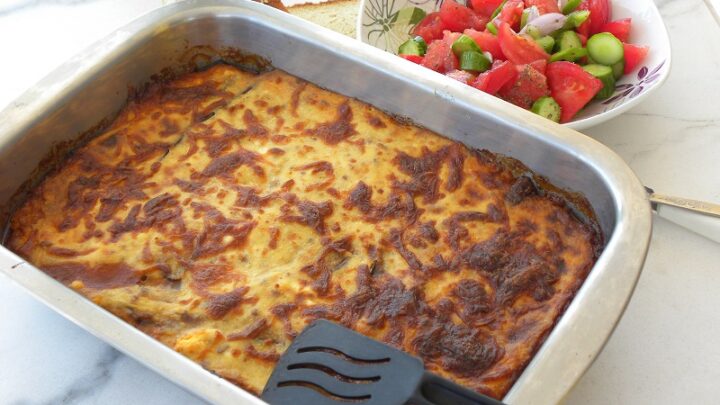
Vegetarian Moussakas with Feta and Mozzarella
Moussakas is the most known Greek dish. Â Sometimes we want to go meatless, so if you also want to avoid eating meat you should try this amazing recipe, with Greek feta and Italian mozzarella, adding lots of onions, Â feta and a marinara sauce and topped with a bechamel sauce with feta in it. Â

Halloumi with Caramelized Poached Dry Fruit
Halloumi with Caramelized Poached Dry Fruit is a dessert made with grilled halloumi served with dried fruit, poached and cooked with commarndaria.
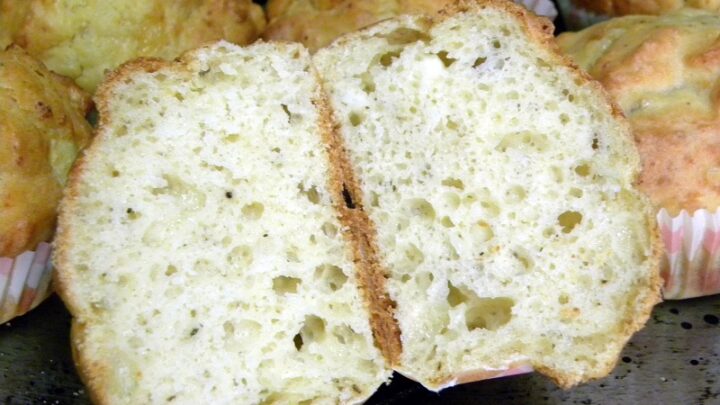
Muffins with Greek Cheeses and Greek Yoghurt
These Greek Cheese Muffins will disappear in no time! You can make them in no time and are delicious as all the cheese disappear in the batter making them buttery and golden crispy on and fluffy and moist inside.
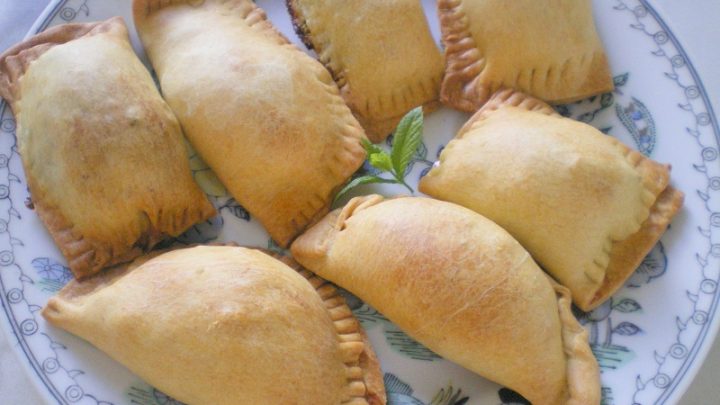
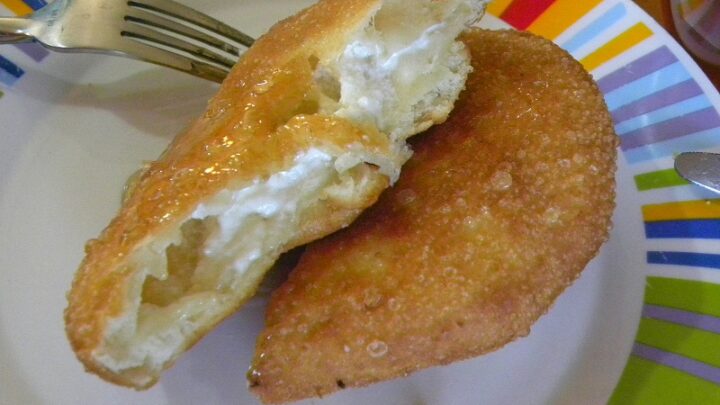
Tiganopsomo (Greek filled fried bread)
Tiganopsomo, which means fried bread is very easy to make All you need is any kind of yeasted bread dough, which is fried in olive oil

Badjina, the Greek Naked Pie
Badjina is a Greek regional pie made mainly in the region of Thessaly, which consists of a batter made with milk, olive oil, eggs, goat cheese and corn meal, in which pumpkin is mixed in.
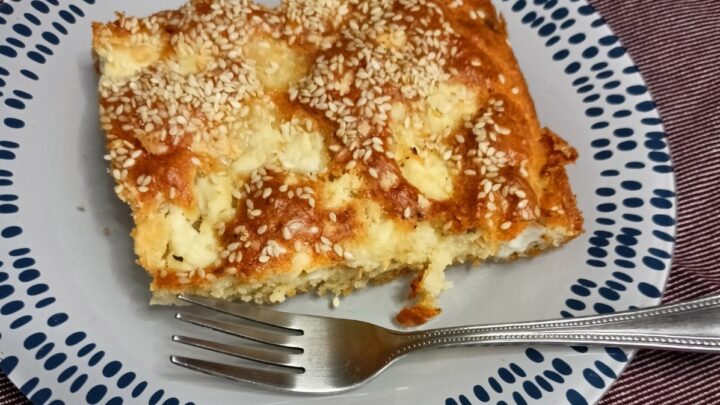
Easy Feta Pie (Alevropita) in ten minutes
This Easy Feta Pie also called Alevropita, can't get any easier to make. It is made with a batter in which feta is crumbled inside and on top and it is ready in ten minutes.

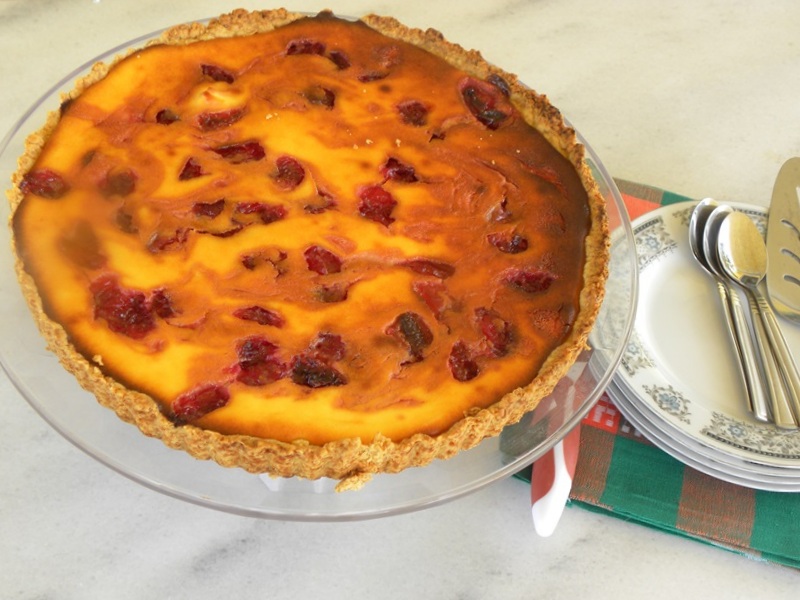
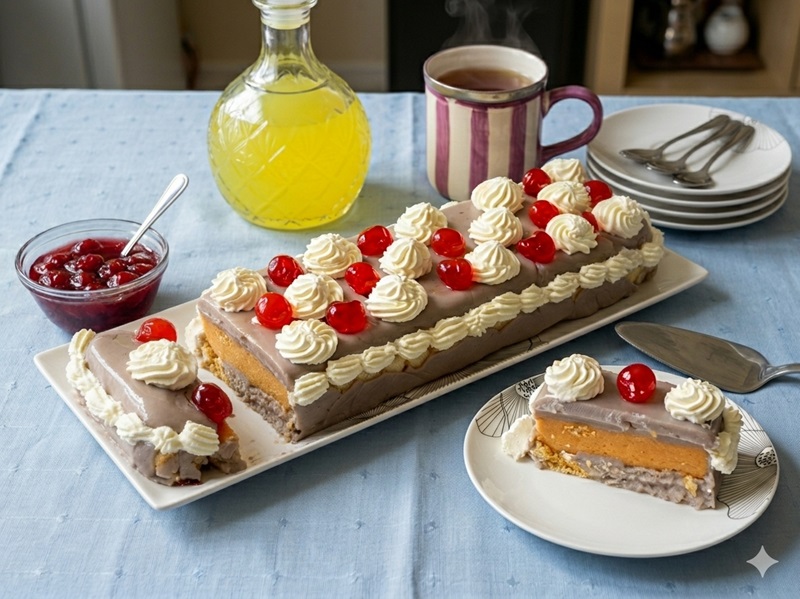
Caramel Cream Cheese Cake
Caramel cake with two-tone sponge, filled and topped with cream cheese and decorated with homemade white chocolate and caramel.
Read the post for a new recipe made many years later.
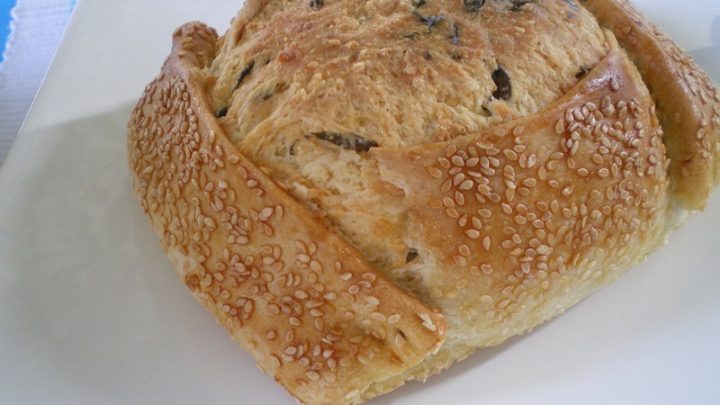
Flaounes (Cypriot Easter Cheese filled Bread)
Flaounes pr. flah-OU-ness (singular flaouna) is a traditional Cypriot Easter cheese bread made with an aromatic yeasted phyllo dough, filled with a special Cypriot cheese, called Pafitiko, made during the Easter period especially for flaounes, Â flavoured with Masticha (mastic resin), mahlepi (mahleb) and mint.
Other recipes with cheese:
Tyropitakia (Cheese triangle bites)
Kopiaste and Kali Orexi,

All those recipes look great (now I am hungry). In Italy, they have tomini that are also pan fried or roasted in the oven.
(In via Loulou)
I love Halloumi! I didn't realize it was part of a whole category of mezes, but pan fried like that, it's like a grilled cheese sandwich without the bread. 🙂
p.s. I think we have the same frying pan. 😉
I was a little late discovering your absolutely delicious blog. I am very happy to inform you that I featured this post in my page about Ouzo, as Cheese Saganaki is one of the "must" mezedes. I sure love haloumi (never tried lountza, though) and I most certainly try my hand at the "Halloumi with orange, fennel seeds and parsley" recipe. I'm sure it will bring tears of gratification in my eyes 😀
My recent post Greek Ouzo- Drinking with the Gods updated Wed Feb 23 2011 4-24 am CST