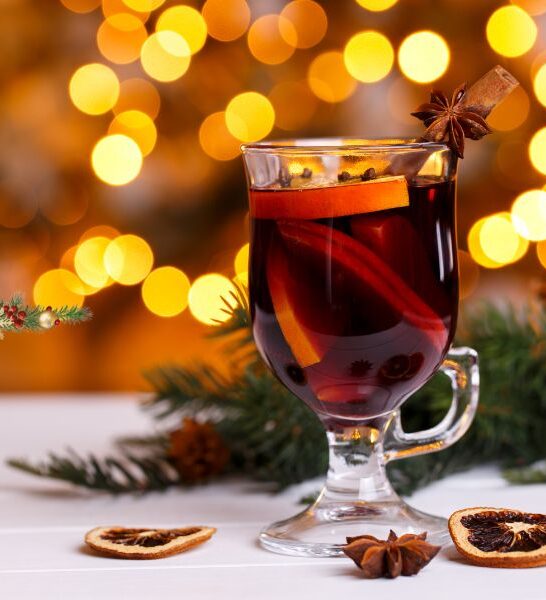
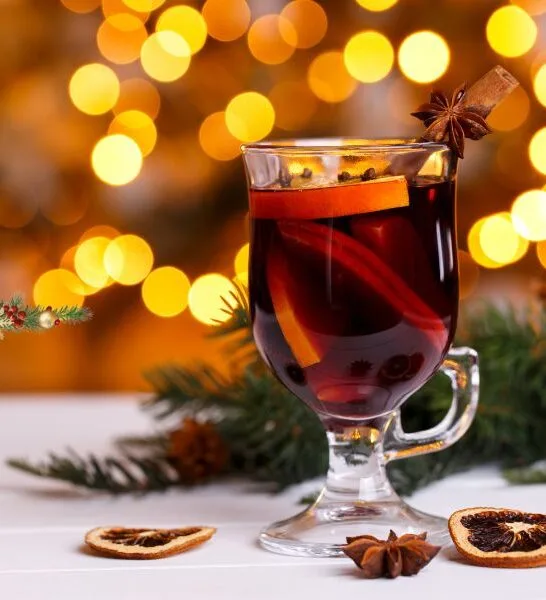
Traditional Glühwein is a warm wine, with lots of aroma from the warm spices, which you will find in many European countries, during winter.
Learn how to make classic mulled sweet wine at home for winter gatherings.
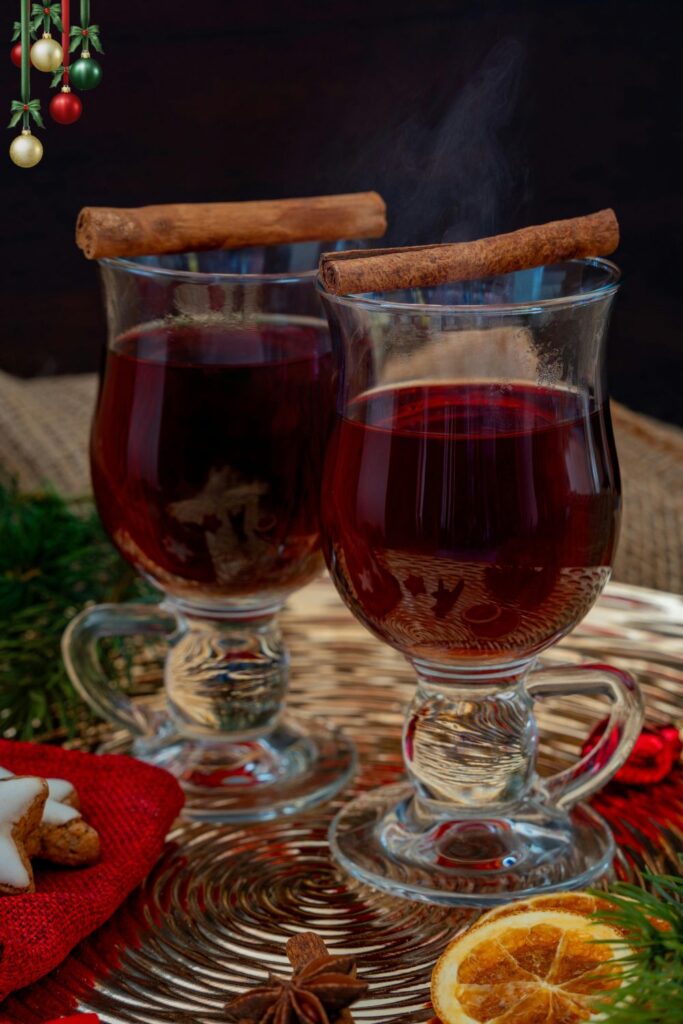
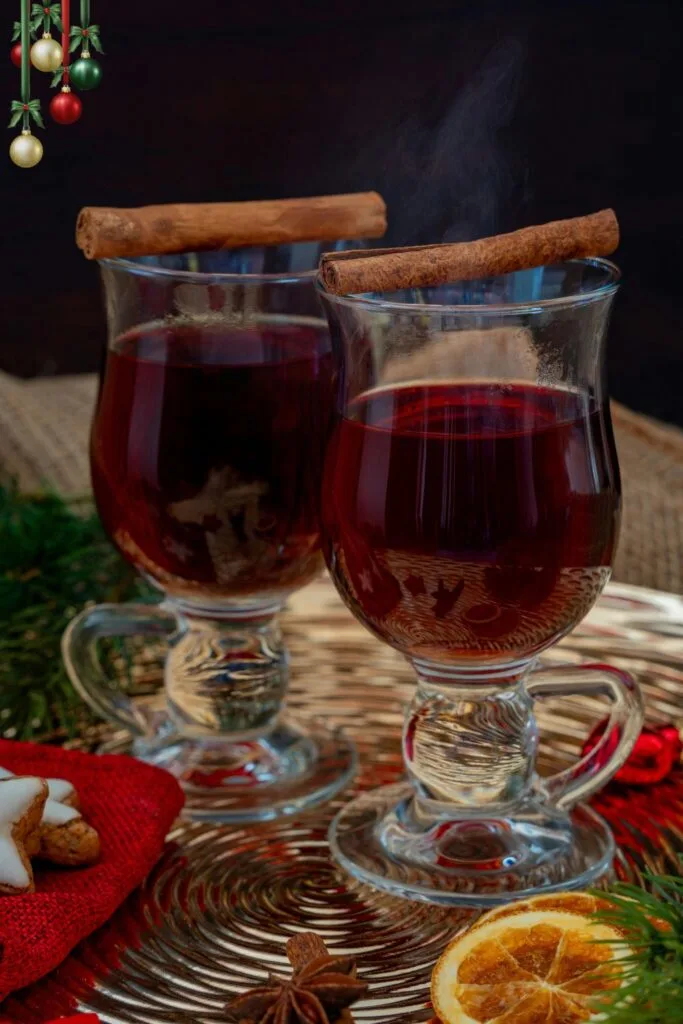
What is Glühwein
Glühwein is a traditional mulled wine enjoyed throughout Central and Northern Europe during the winter months, particularly at Christmas markets and festive gatherings.
It is made by gently heating red wine with sugar, citrus and warming spices, creating a fragrant and comforting drink designed to ward off the cold.
The wine is never boiled, as the goal is to preserve both its aroma and its character while allowing the spices to infuse slowly.
Spiced wine in Antiquity
In ancient Greece, wine was rarely drunk plain. It was almost always diluted with water and often flavoured with other ingredients. One of the most well-known examples is oinomeli, a mixture of wine and honey, which was consumed both as a pleasurable drink and for its restorative properties. Spices, herbs and aromatics were also added, not in the modern culinary sense, but for medicinal, ritual and practical reasons.
Ancient Greek medical writers such as Hippocrates describe wines infused with herbs and spices used to aid digestion, warm the body, or treat specific ailments. These could include thyme, oregano, bay leaves, anise, fennel, mint and sometimes cinnamon or cassia, which reached the Greek world through trade with the East. Such wines were considered therapeutic rather than festive, but they clearly show an early tradition of aromatised and spiced wine.
There is also kykeon, a drink mentioned in Homer and later sources, made from wine or water mixed with barley and herbs, sometimes mint.
While not a spiced wine in the modern sense, it demonstrates the Greek habit of modifying wine with flavourings.
Another category was medicinal wines, where wine acted as a carrier for botanicals, much like later European spiced wines.
What the ancient Greeks did not typically do was heat wine for pleasure in the way Glühwein is prepared today. Heating wine was associated more with medicinal preparations than with social drinking.
Origin of Glühwein
The idea of warming wine specifically to combat cold weather became far more common in Roman and later medieval European contexts, especially in colder climates.
The ancient Romans also prepared spiced wines, often sweetened with honey and infused with herbs and spices, believing them to have both pleasurable and medicinal qualities.
As Roman influence spread across Europe, so did this practice.
In the colder regions north of the Alps, warming wine became a practical necessity during winter.
Over time, medieval versions of spiced wine evolved into the Glühwein known today, particularly in German-speaking regions.
The name comes from the German verb glühen, meaning to glow, a reference to the gentle heat of the drink.
What spices are used in Glühwein?
The classic spice combination for Glühwein is simple and carefully balanced.
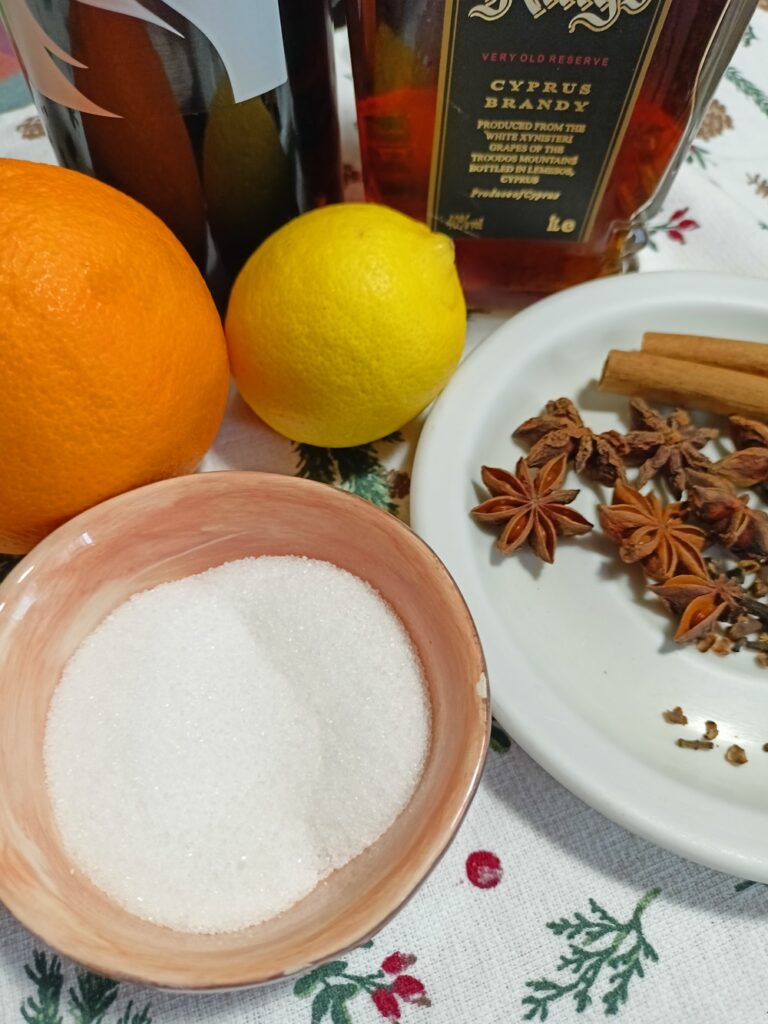
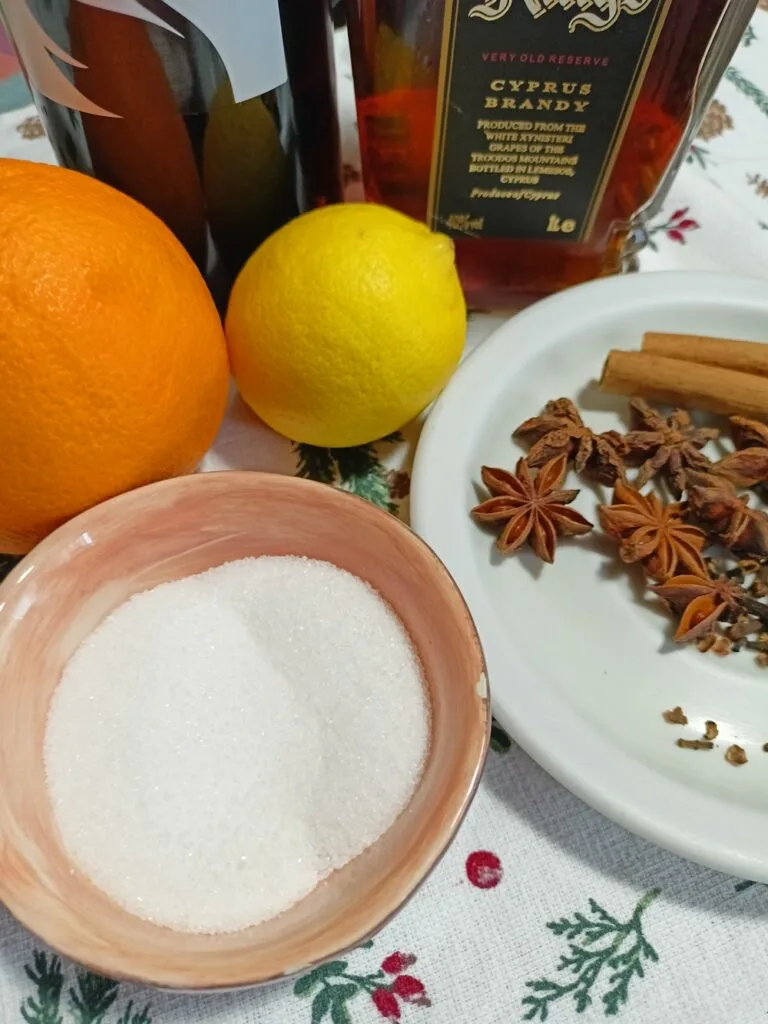
Cinnamon sticks and whole cloves form the aromatic base, providing warmth and depth.
Star anise is commonly added for a subtle liquorice note, while strips of orange peel bring freshness and brightness. Lemon peel may also be used in small quantities.
Some regional or household variations include cardamom, allspice or a touch of vanilla, but restraint is essential. Whole spices are always preferred, as ground spices can make the wine cloudy and bitter.
How Glühwein is served
Glühwein is served hot but never boiling. It is gently heated until steaming and then allowed to rest so the flavours can develop.
It is traditionally served in thick glass mugs or ceramic cups that retain warmth, often garnished simply with a slice of orange.
In very cold climates, a small amount of brandy or rum may be added just before serving, although this is optional rather than standard.
Which Greek wines can be used for Glühwein
Although traditionally made with German or Austrian red wines, such as Dornfelder, Spätburgunder, or Zweigelt, Glühwein adapts beautifully to Greek wines.
The ideal choice is a fruity, low-tannin red with minimal oak influence.
Agiorgitiko from Nemea is an excellent option, offering softness and gentle spice.
Merlot-based Greek or Cypriot wines also work well, as do lighter styles of Xinomavro that emphasize fruit rather than structure.
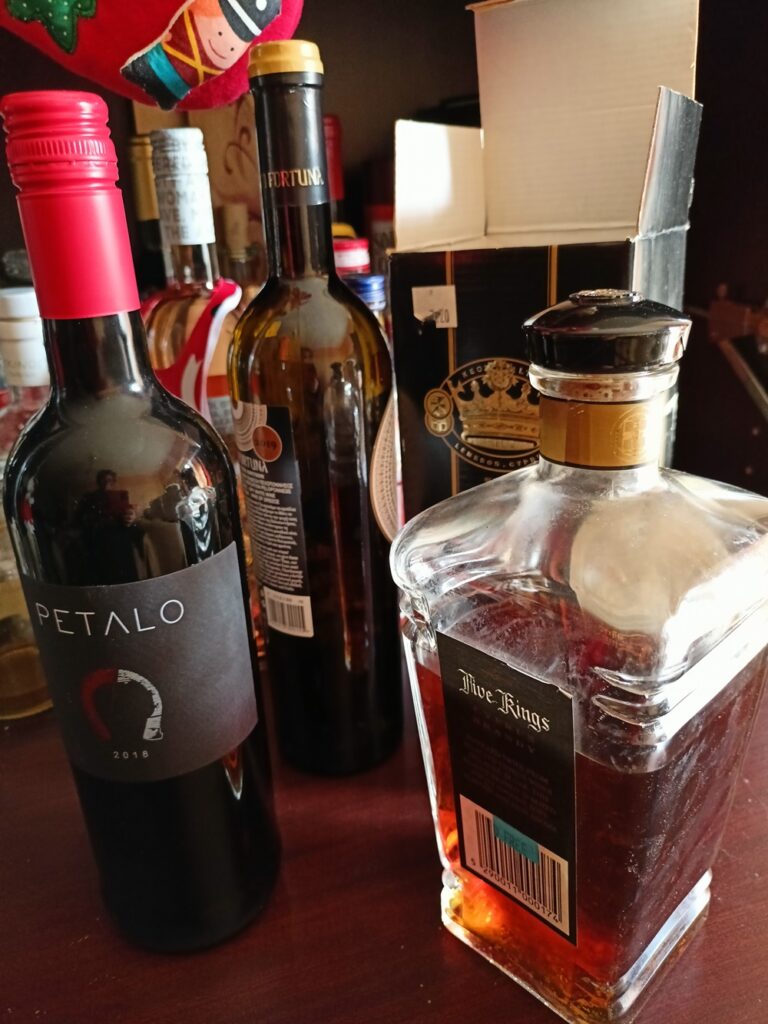
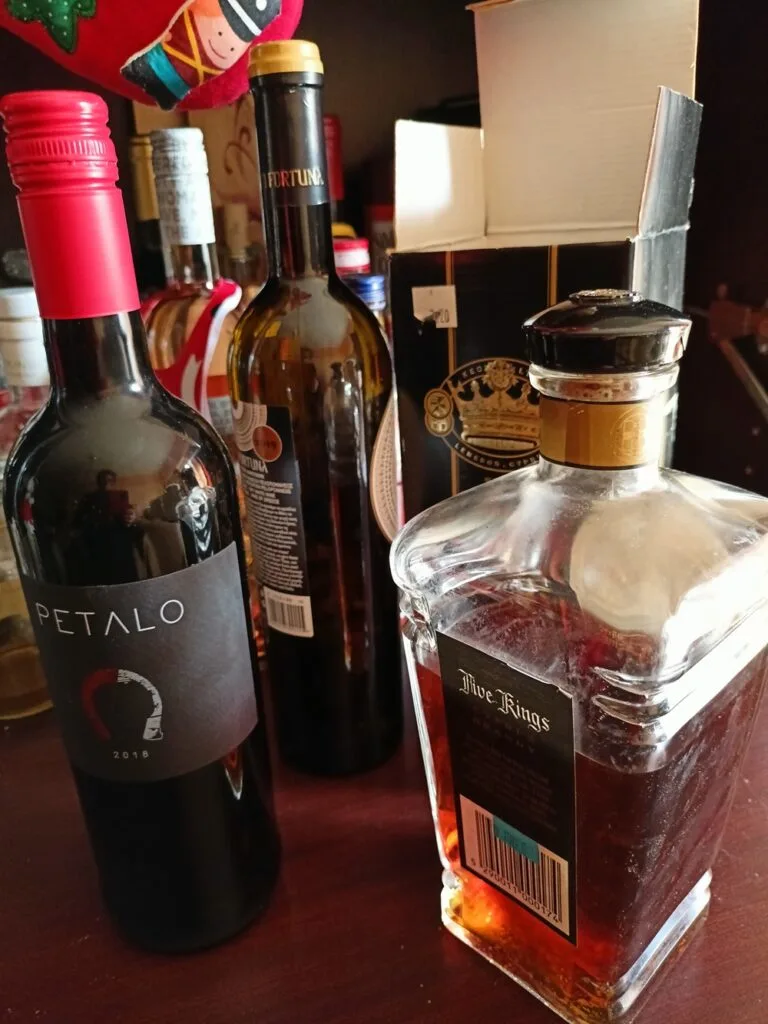
I used Mavros K;yknos (Black Swan), which is an Agiorgitiko from Nemea and also added some KEO Five Kings Brandy from Cyprus.
If a sweet red wine is used, the added sugar should be reduced accordingly to maintain balance.
Additional tips and traditions
Glühwein benefits from resting time, as the spices need at least fifteen to thirty minutes to fully infuse the wine. It can be prepared in advance and gently reheated, making it ideal for entertaining.
Traditionally, it is enjoyed alongside simple winter treats such as biscuits, roasted nuts or festive cakes. Above all, Glühwein is a social drink, closely tied to winter gatherings, outdoor markets and the shared experience of warmth and hospitality.
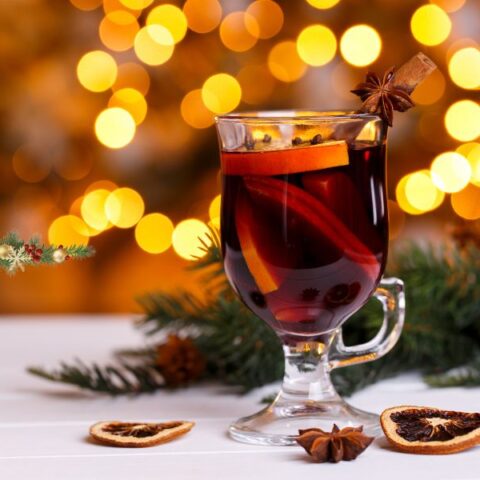
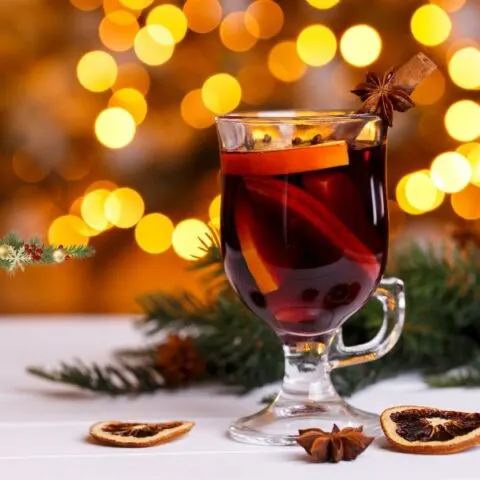
Glühwein - Mulled sweet wine
Traditional Glühwein is a warm wine, with lots of aroma from the warm spices, which you will find in many European countries, during winter.
Ingredients
- 750 ml dry red wine
- 1 orange (unwaxed, preferably organic)
- 60 grams (3 tbsp) sugar (white sugar is traditional; adjust to taste)
- 1 cinnamon stick
- 3–4 whole cloves
- 2 star anise (optional but common)
- 1 small piece of lemon peel (optional)
- 50 ml brandy or rum (optional, added at the end)
Instructions
- Wash the orange well. Peel a few strips of zest (avoiding the white pith), then slice the orange.
- Pour the wine into a saucepan. Add the orange slices, zest, sugar, cinnamon stick, cloves, star anise, and lemon peel if using.
- Heat very gently over low heat until steaming but never boiling (about
70–75°C). Boiling would evaporate the alcohol and ruin the flavour. - Remove from the heat, cover, and let the Glühwein steep for 15–30 minutes for a deeper spice flavour.
- Reheat gently if needed. Add brandy, if using.
- Strain or leave the spices in, according to preference, and serve hot in heatproof glasses or mugs.
Nutrition Information
Yield 4 Serving Size 1Amount Per Serving Calories 76Total Fat 0gUnsaturated Fat 0gSodium 2mgCarbohydrates 6gFiber 1gSugar 3gProtein 0g
"These values are automatically calculated and offered for guidance only. Their accuracy is not guaranteed."
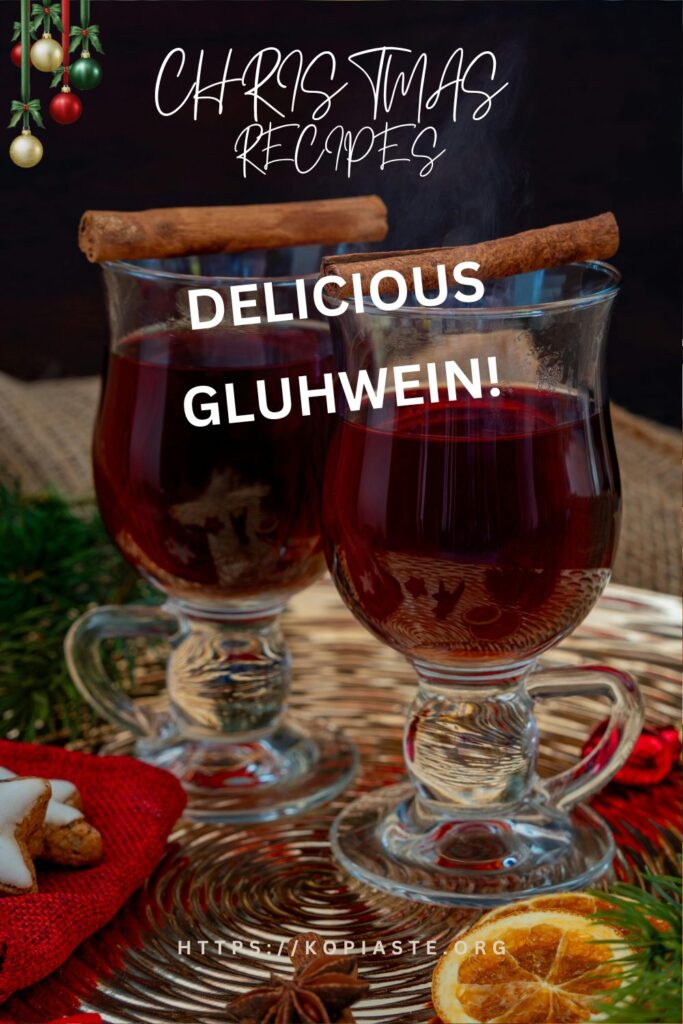
Christmas Desserts
Looking for inspiration for this Christmas?
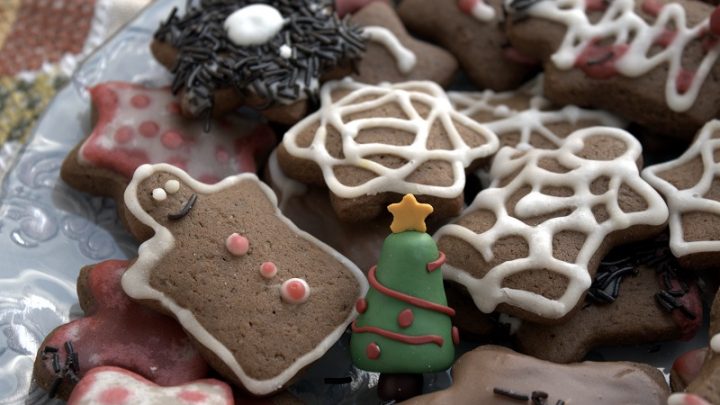
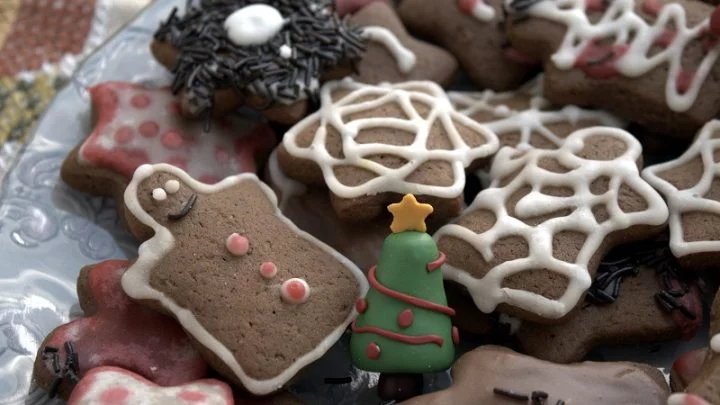
Gingerbread Cookies with Carob Syrup
These gingerbread cookies are made with carob syrup instead of molasses and perfect to add to your Christmas cookies recipes.
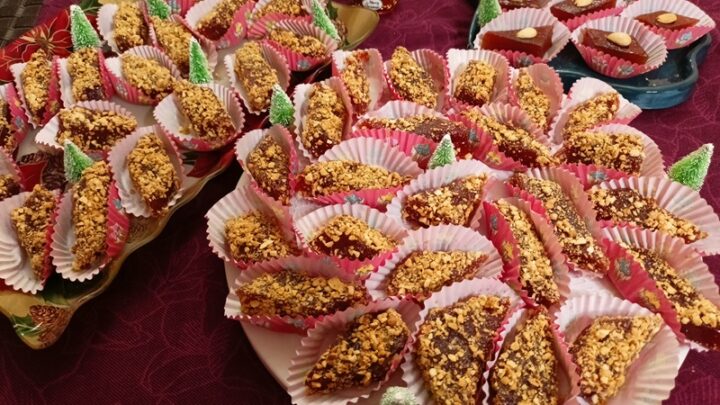
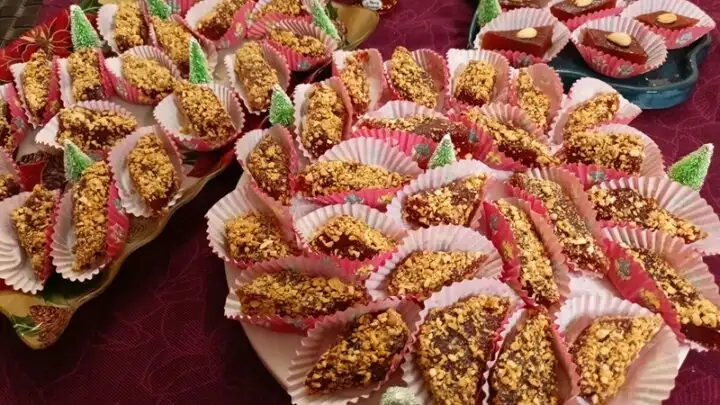
Kydonopasto with Almonds and Lemon (Greek Quince Paste)
Kydonopasto is a Greek traditional, aromatic dessert made by slowly simmering fresh quince fruit with sugar, water, and a touch of lemon juice.
Diples
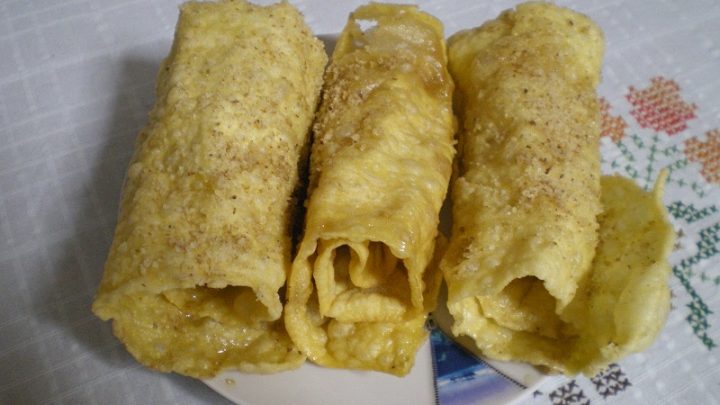
Diples (pronounced diip-LESS), which means folded, is another traditional Christmas sweet pastry, made in many parts of Greece especially in the Peloponnese. These are the desserts they serve at weddings, christenings, engagements etc. but are also very popular during Christmas.
Melomakarona with Chocolate
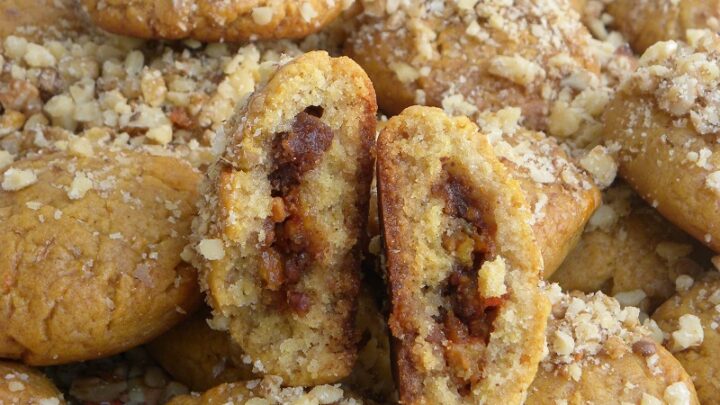
Melomakarona are spicy Christmas olive oil and semolina cookies drenched in a honey syrup and sprinkled with walnuts on top.
Mandarin Melomakarona
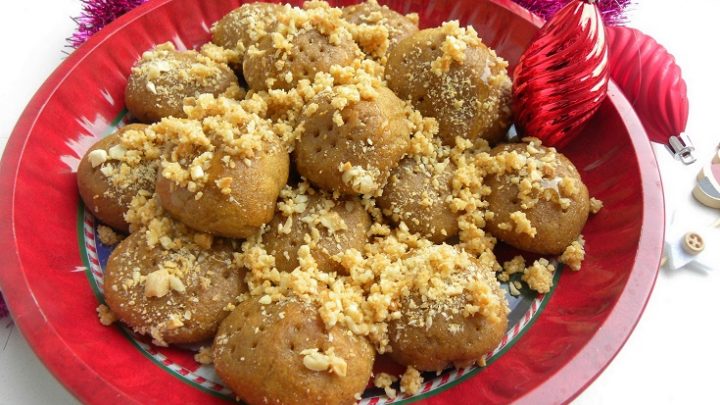
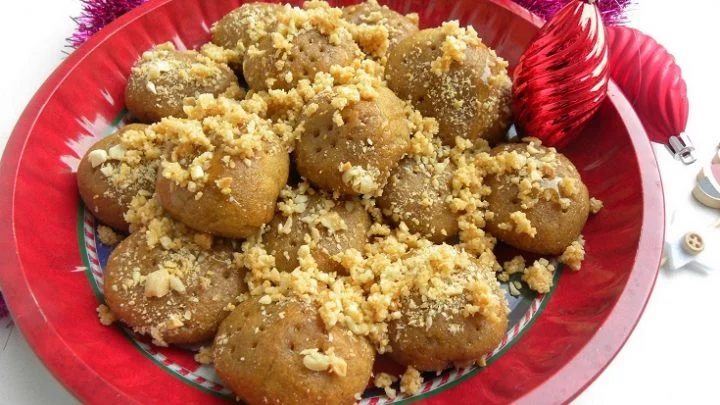
"Melomakarona" (honey cookies) is a traditional recipe made during Christmas. The cookies are made with olive oil and drenched in a honey syrup, with lots of walnuts on top.
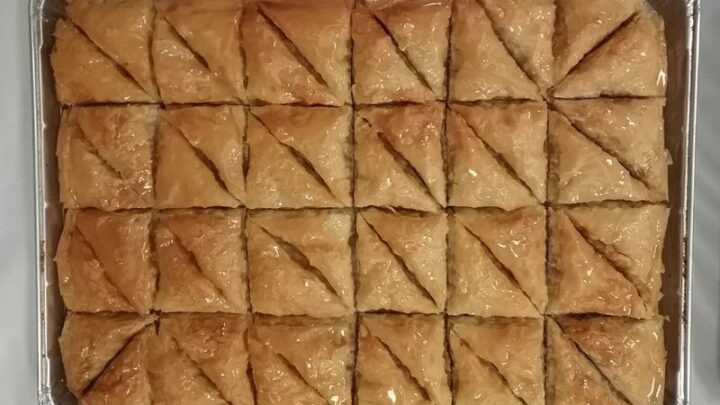
Traditional Greek Baklavas
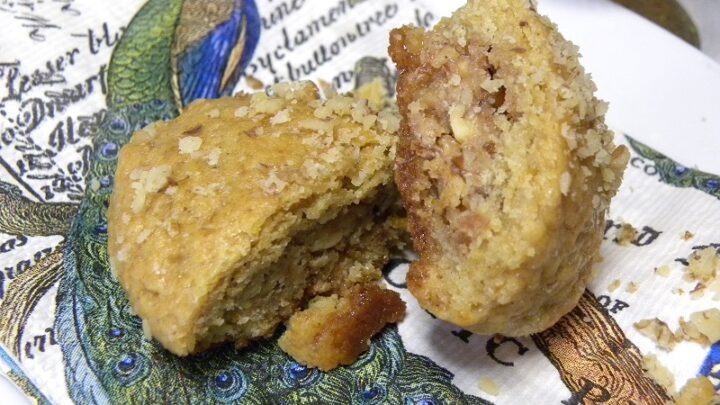
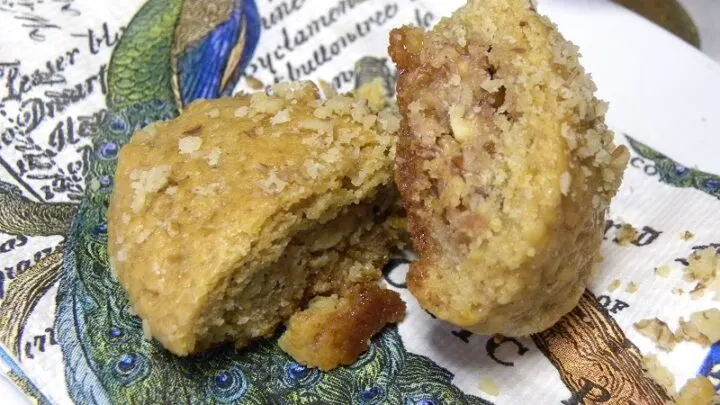
The traditional Greek baklavas, is made with many layers of thin sheets of "phyllo kroustas",  which are brushed with butter, with various kinds of nuts and spices added between the layers and sweetened with honey syrup.
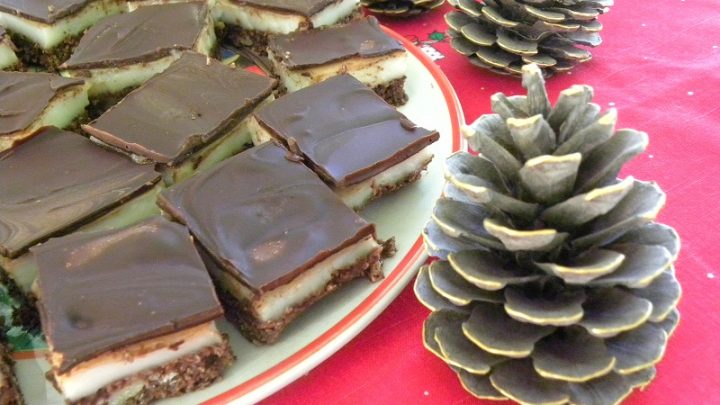
Eggless Nanaimo Salepi (Sahlab) Bars
Nanaimo Bars are a classic Canadian Christmas dessert. They are made with a chocolate biscuit base, coconut, and walnut crust then topped with a layer of custard and topped with chocolate.
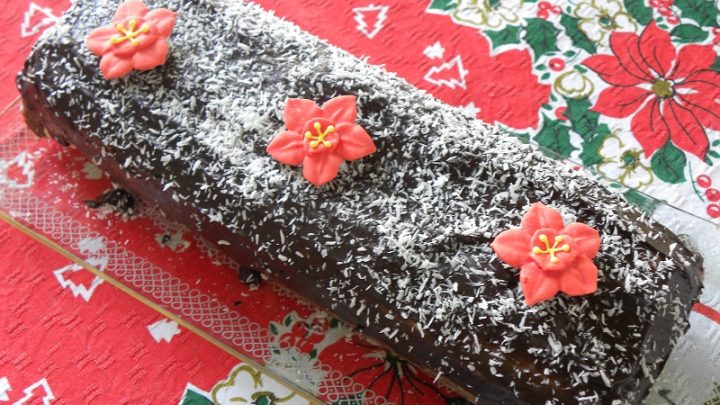
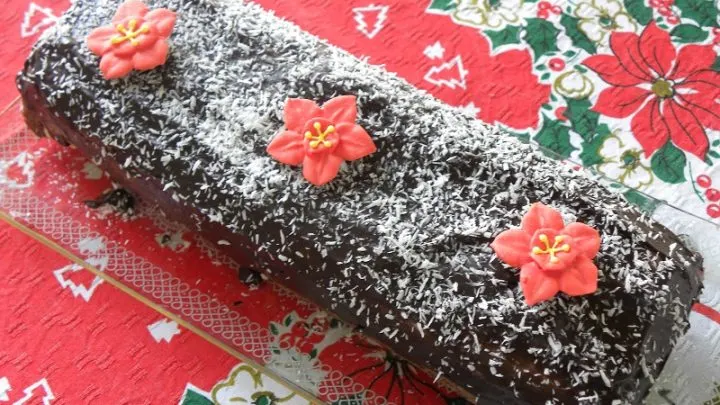
Christmas Chocolate Wafer Coconut Roulade
This Christmas Chocolate Wafer Coconut Roulade is made with a biscuit base crust and is filled with pastry cream, topped with chocolate ganache.
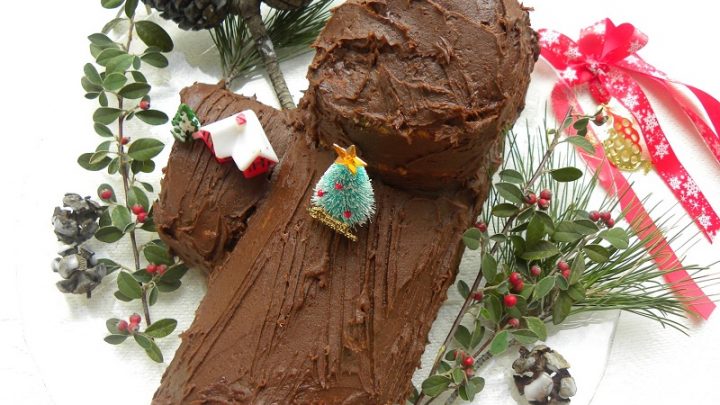
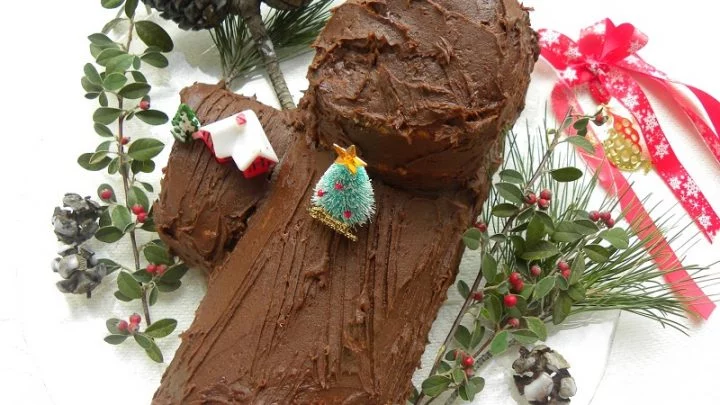
Christmas Chocolate Carob Yule Log (Bûche de Noël)
A Yule log (or bûche de Noël in French, is a traditional Christmas dessert made of a yellow sponge cake which is shaped into a roulade in order to create a chopped branch.
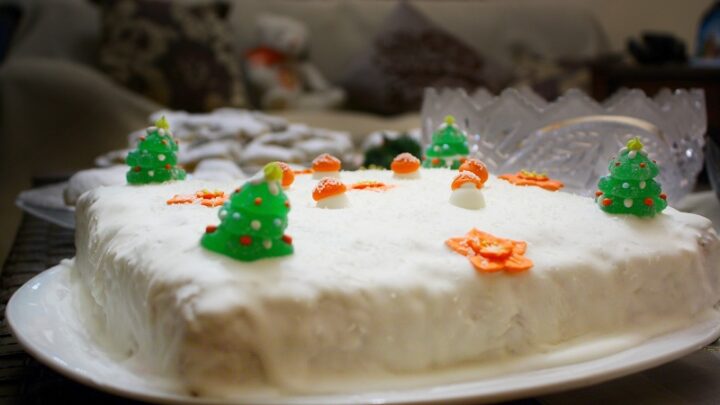
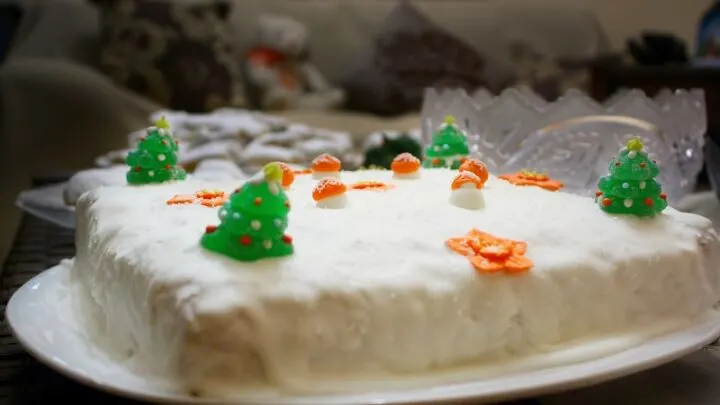

White Christmas Fruit Cake
Ever since the British occupation of Cyprus, Christmas cake has been a big part of our holiday celebrations. Many families have a traditional recipe for a Christmas Cake and ours is no exception.
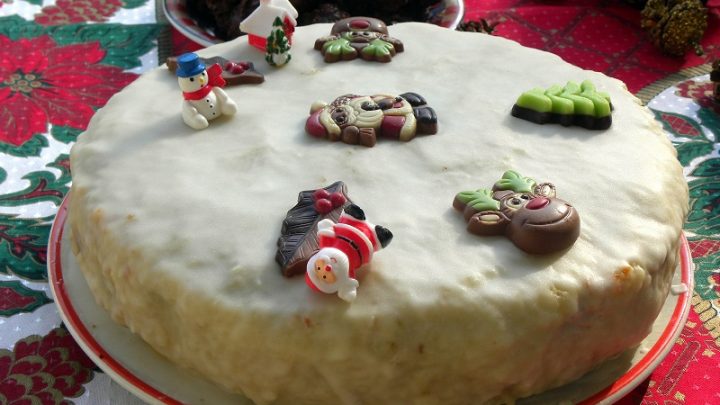
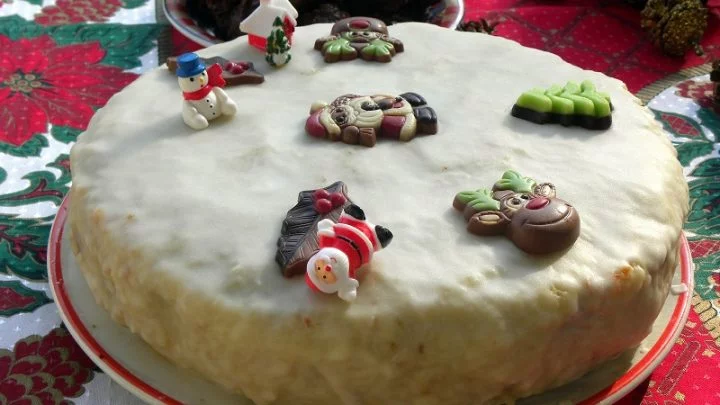
Traditional Christmas Cake
A traditional Christmas cake recipe which is filled with homemade fruit preserve, as well as nuts, raisins brandy and treacle.
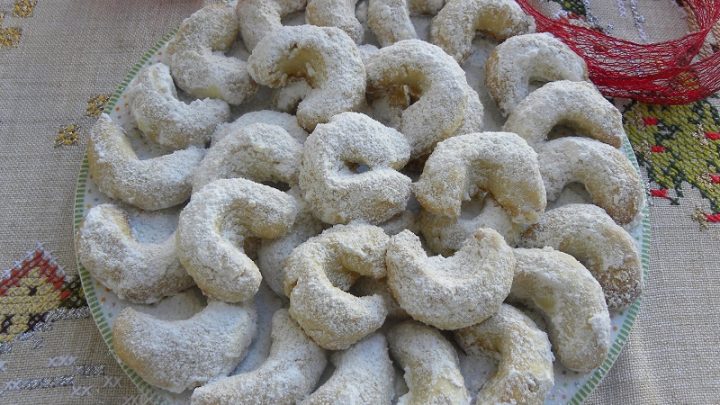
Vanillekipferl (Christmas Almond Crescent Cookies)
Vanillekipferl are cookies which originate from Austria and can be found in many other countries such as Germany, Hungary and otheer Eastern European counties.
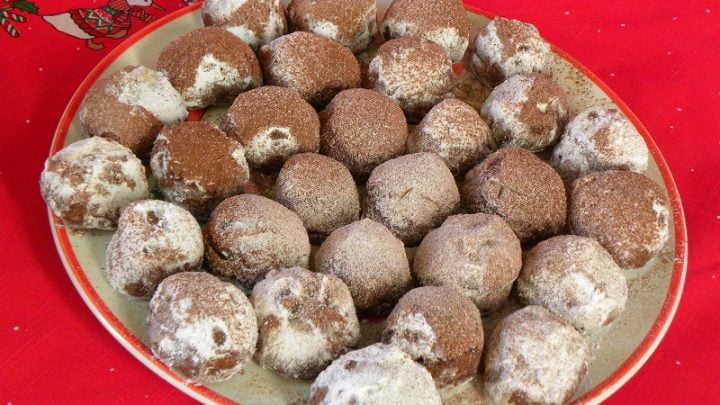
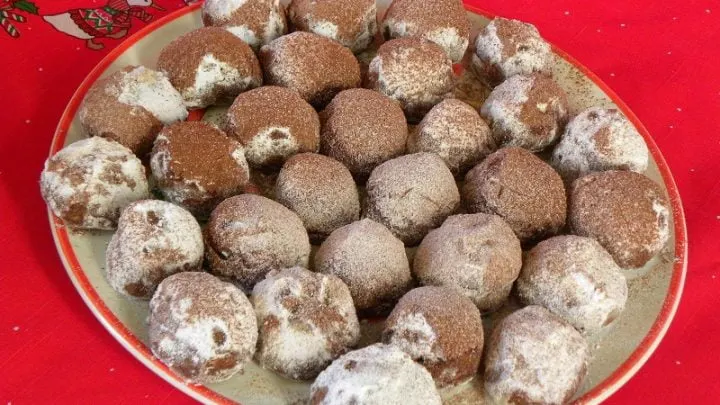
Chocolate Kourabiedes
These chocolate kourabiedes are made with buffalo milk butter and cocoa powder and filled with dark chocolate and orange preserve.
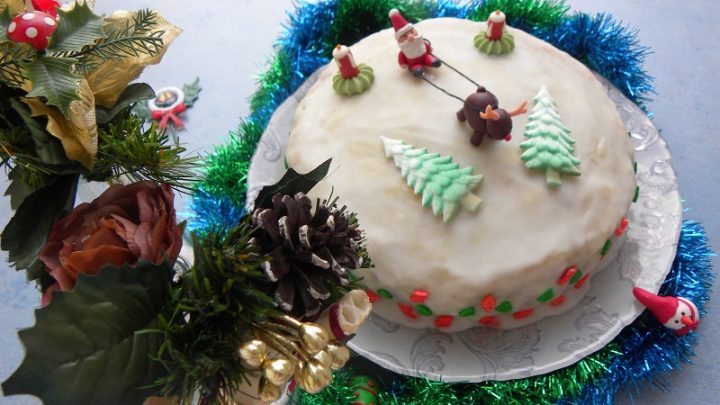
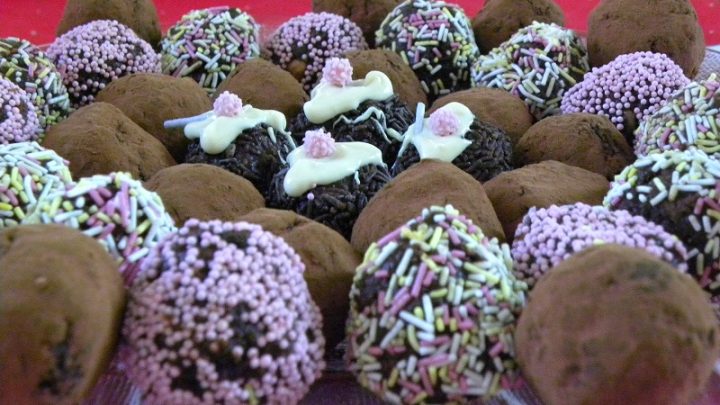
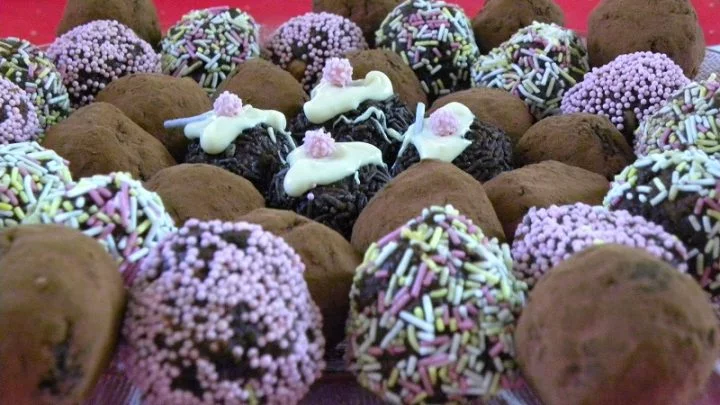
Easy Chocolate Truffles from Christmas Leftovers
These truffles are an ingenious way to use up leftover kourabiedes, melomakarona, Christmas Cake, or Cookies.
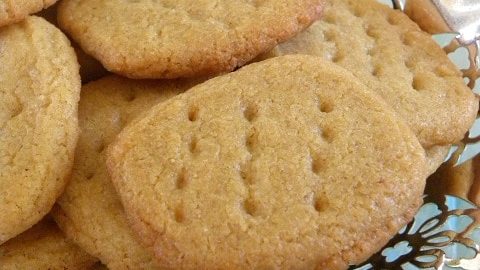
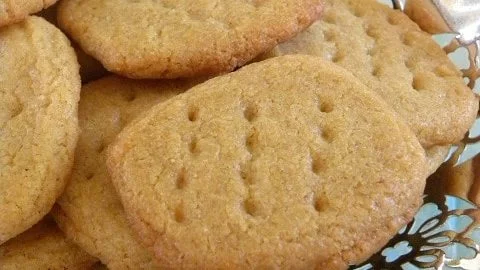
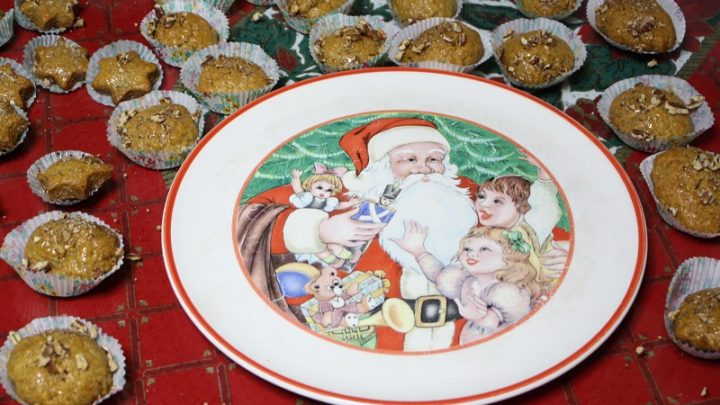
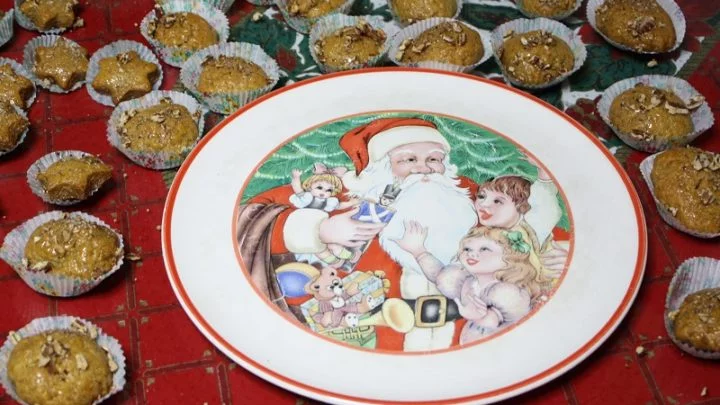
Melomakarona with Pecans
Melomakarona with Pecans are one of our Christmas traditional cookies which are infused in honey. They have no butter, no eggs, nothing dairy but they are so tasty you cannot just eat one.Â
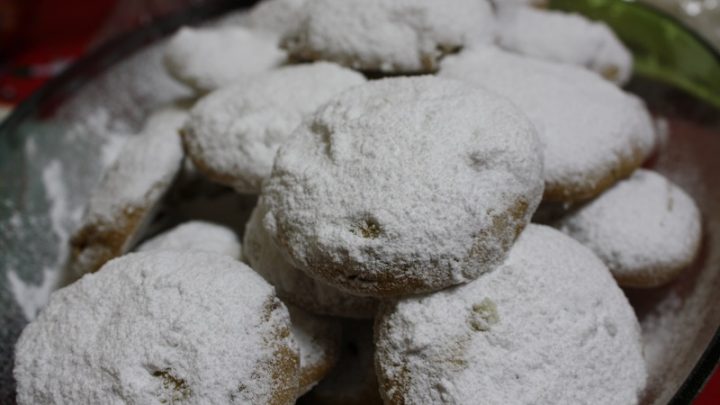
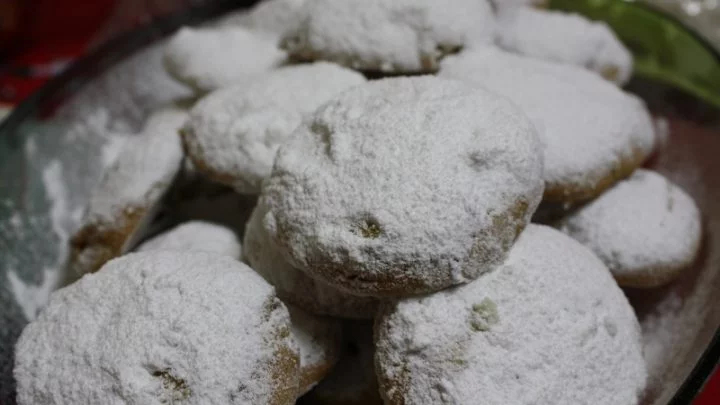
Kourabiedes by Parliaros
These kourabiedes are adapted from the famous Greek pastry chef, Stelios Parliaros.
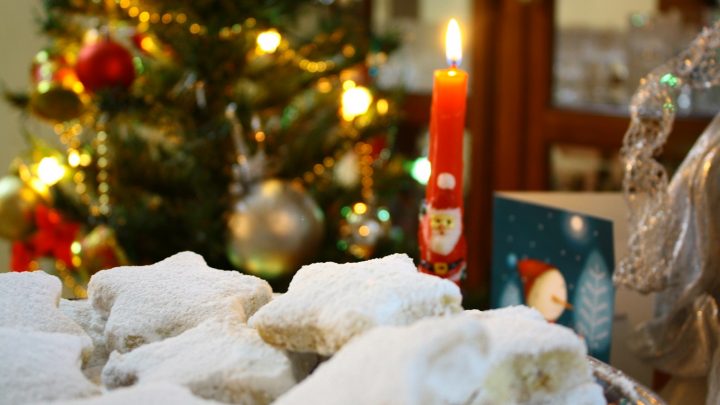
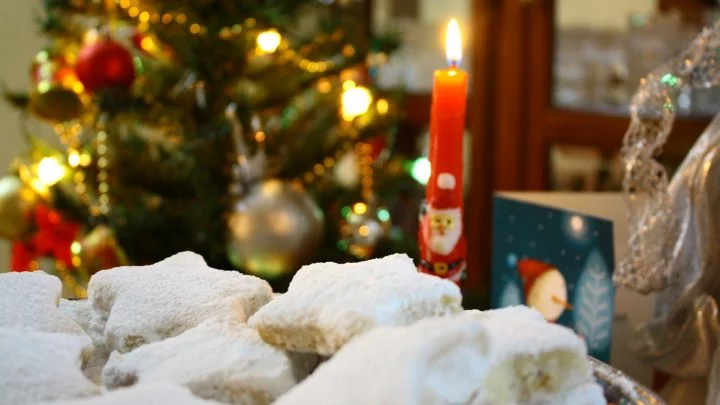
Aromatic Greek Kourabiedes
These aromatic Kourabiedes (Greek Christmas cookies) are flavoured with vanilla and citrus blossom water.
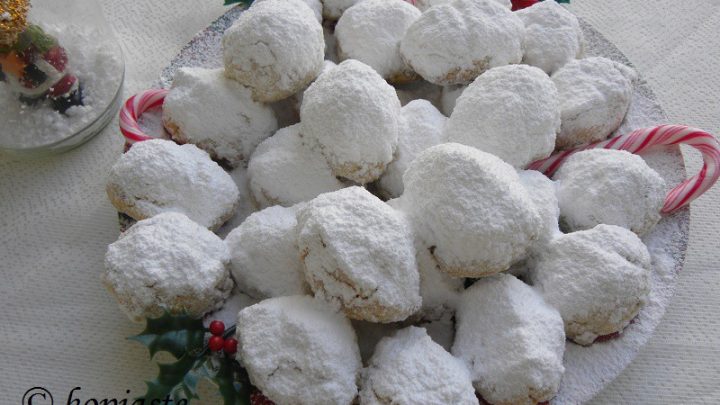
Melt in your mouth Kourabiedes
Kourabies (pl. kourabiedes) are the Greek shortbread cookies made during Christmas. In the older times, before the use of the mixer, these cookies needed elaborate preparation and that was done by hand, so these were made for special occasions such as weddings, christenings and other celebrations.

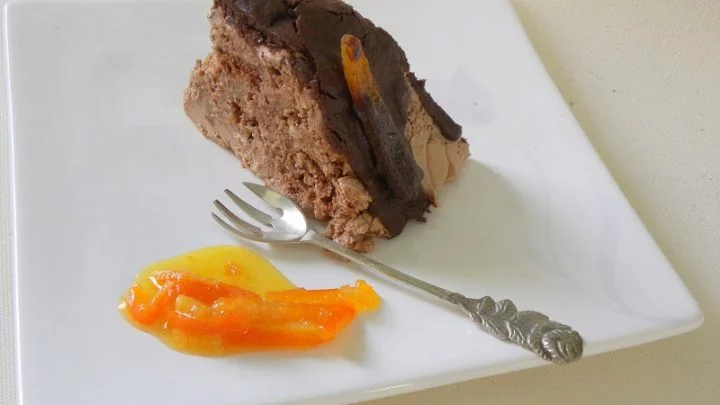
Black Lava Orange Gateau, A gourmet dessert made out of leftovers
This Black Lava Orange Gateau, is easy to make and was made out of leftover Christmas Cookies. Everyboday gets fed up of eating the same cookies for many days, so I decided to use my leftovers and make a new dessert which we enjoyed after the holidays!


Glühwein - Mulled sweet wine
Traditional Glühwein recipe with history, spices, serving tips and Greek wine suggestions. Learn how to make classic mulled sweet wine at home for winter gatherings.
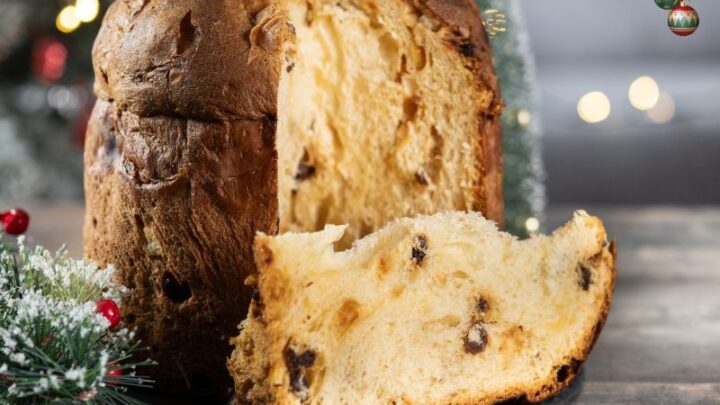
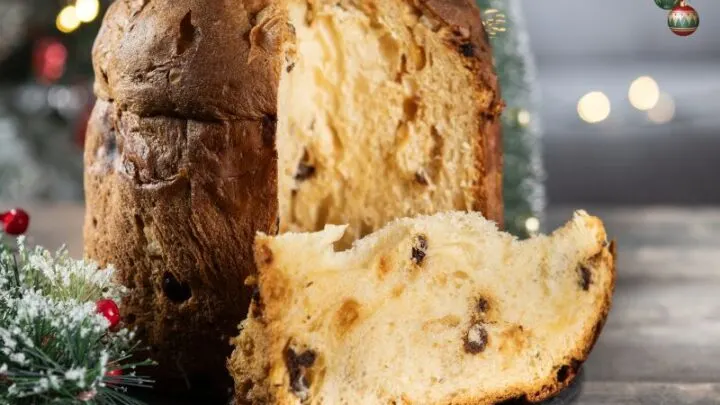
Panettone with a Twist of Greek Flavours
Discover two unique panettone recipes with Greek fruit preserves, one with bergamot for a raisin-free version, and another with mixed citrus, figs, and raisins.
Learn tips for dough handling, fermentation, and enriched bread techniques.
Kopiaste and Kali Orexi,