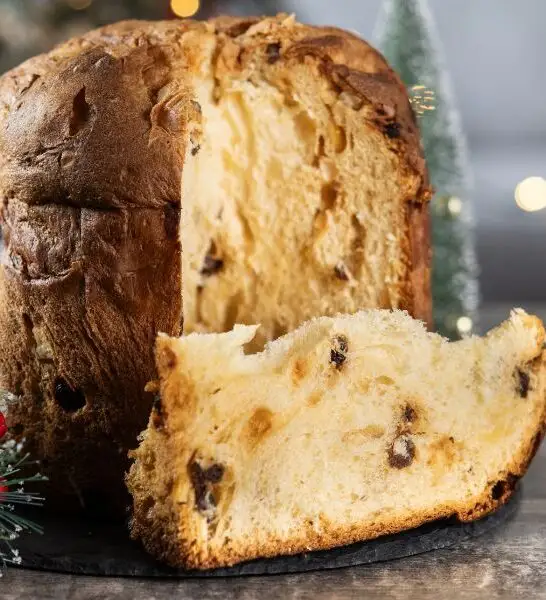
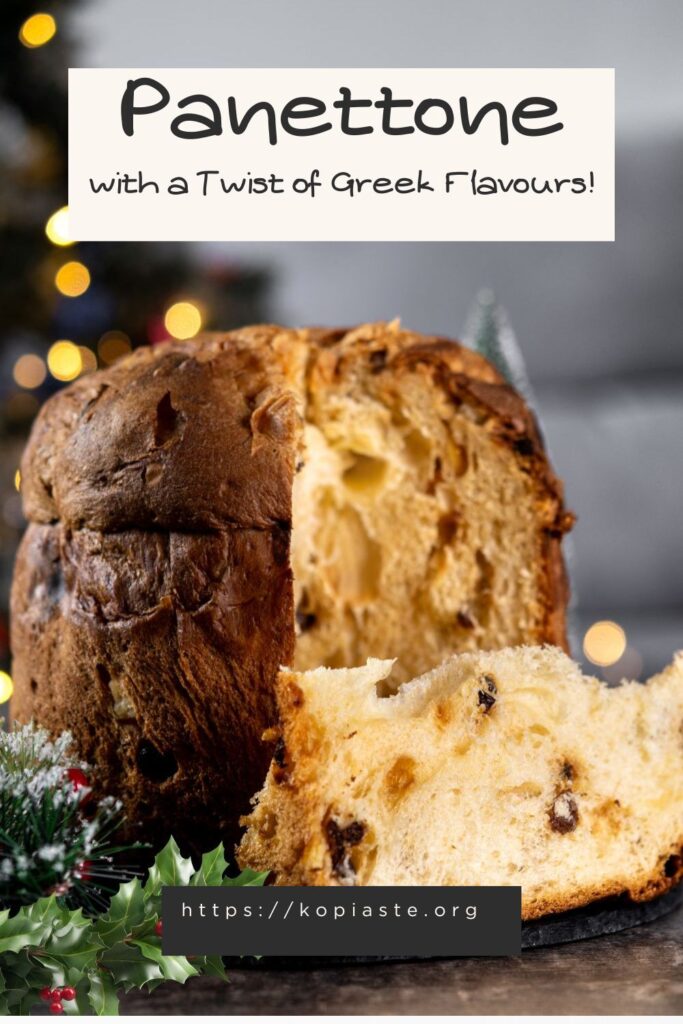
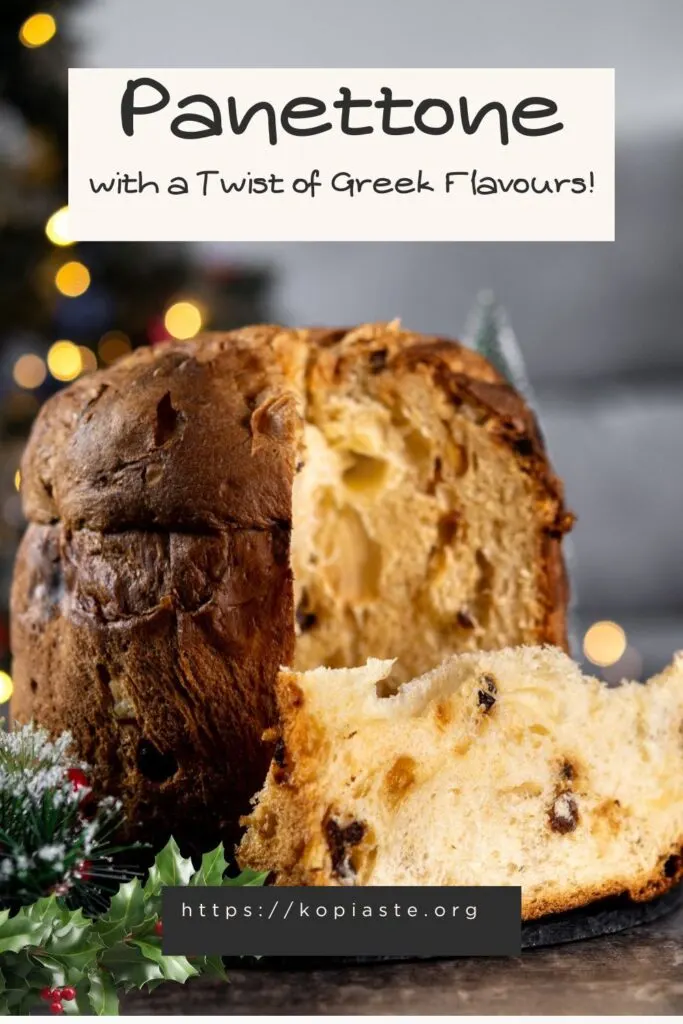
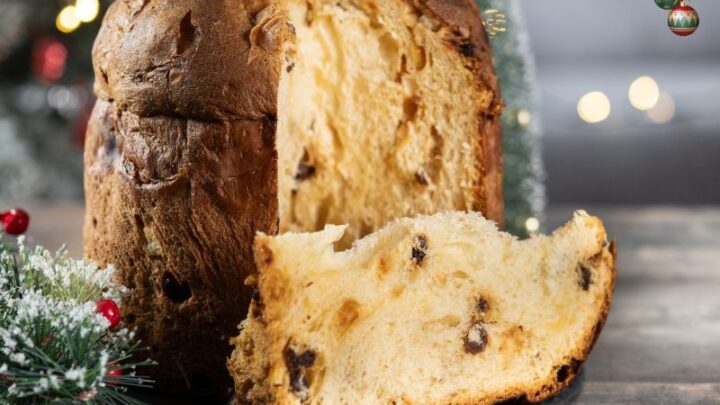
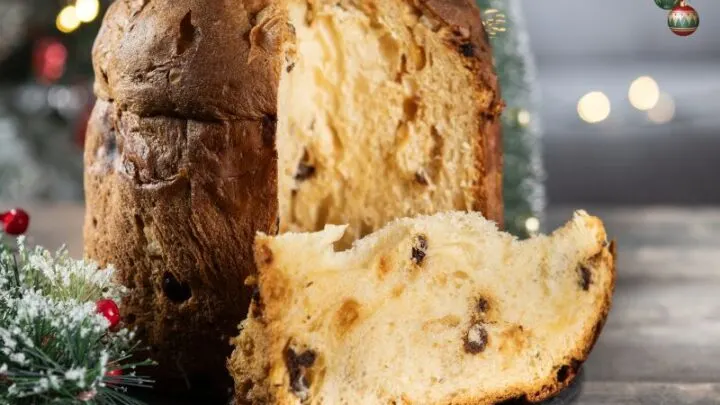
Panettone is a traditional Italian sweet bread, originally from Milan, with a tall, domed shape, a soft, airy crumb, and a rich, buttery flavour.
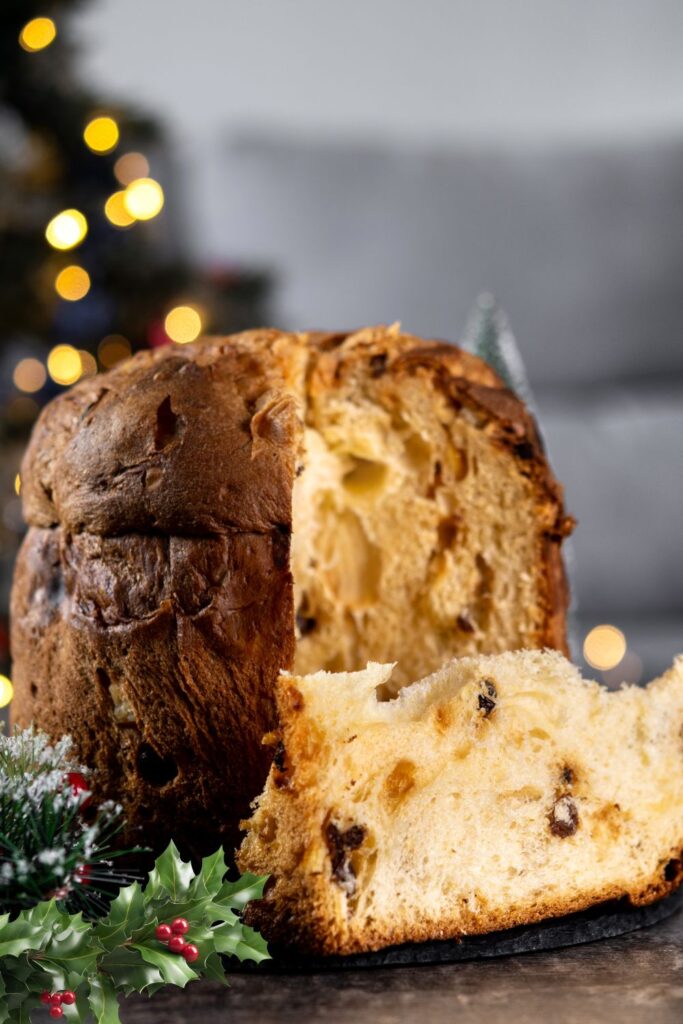
The word “panettone” comes from panetto, meaning “small loaf,” with the augmentative suffix -one, so it literally translates as “large loaf.”
It has become synonymous with the holiday season, enjoyed around Christmas and New Year for its delicate texture and sweet, fruity aroma.
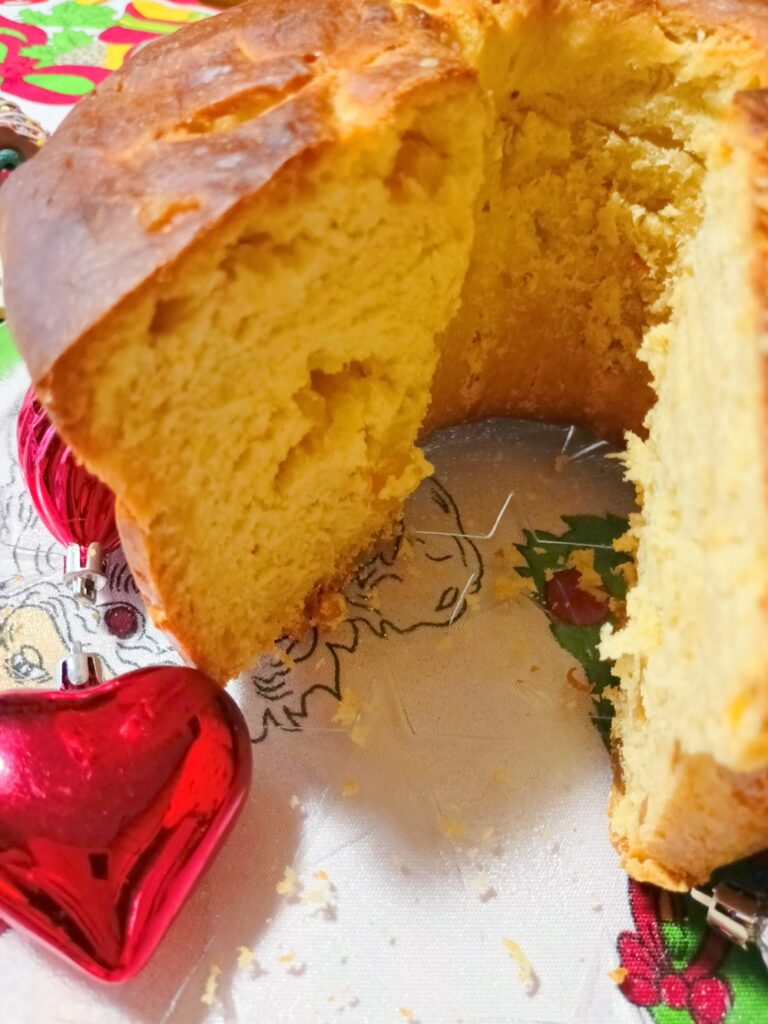
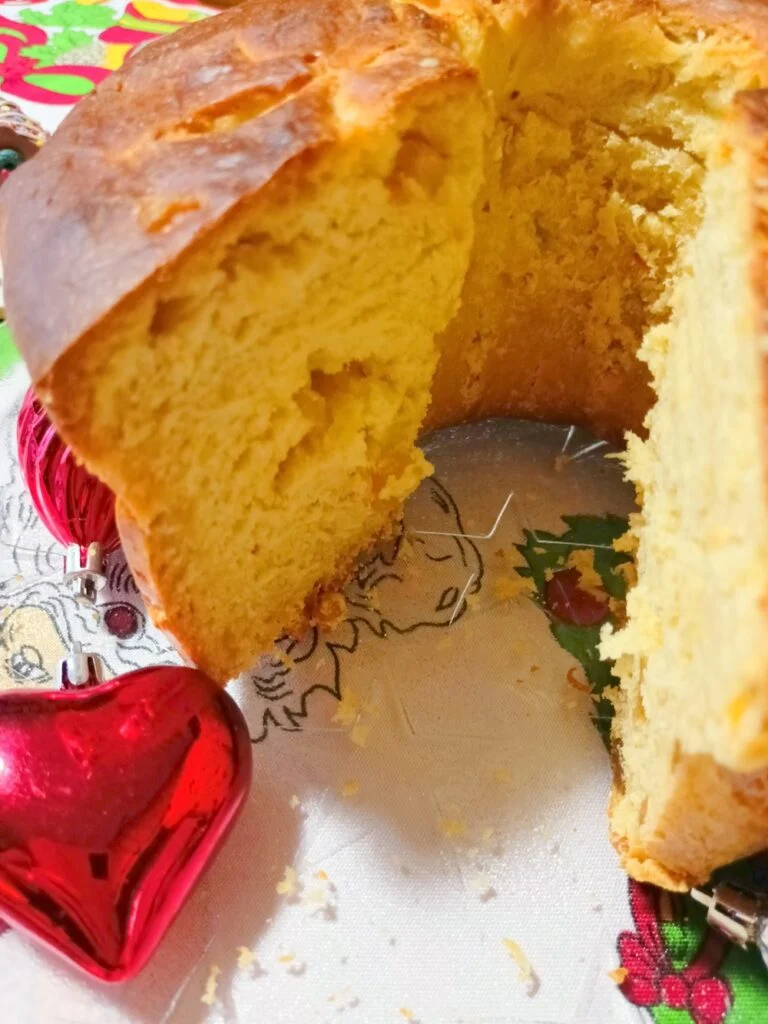
This year, I decided to experiment with two versions of panettone, each with a twist inspired by traditional Greek preserves, creating a unique fusion between Italian and Greek flavours.
I made two panettones: one filled solely with bergamot fruit preserve (Glyko tou koutaliou) for my daughter, who isn’t fond of raisins, and another one incorporating a mixture of preserved citrus and figs -dried over the summer and soaked in 50 g of brandy (Metaxa) – along with traditional raisins.
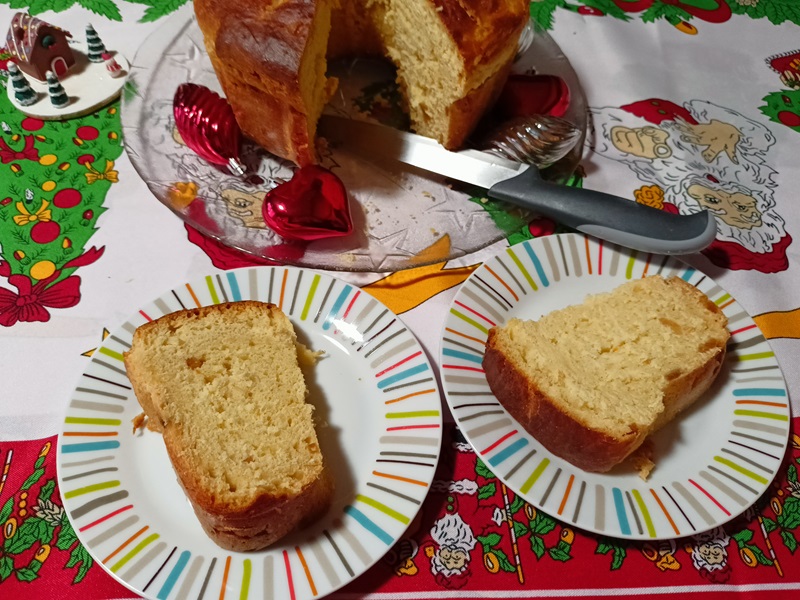
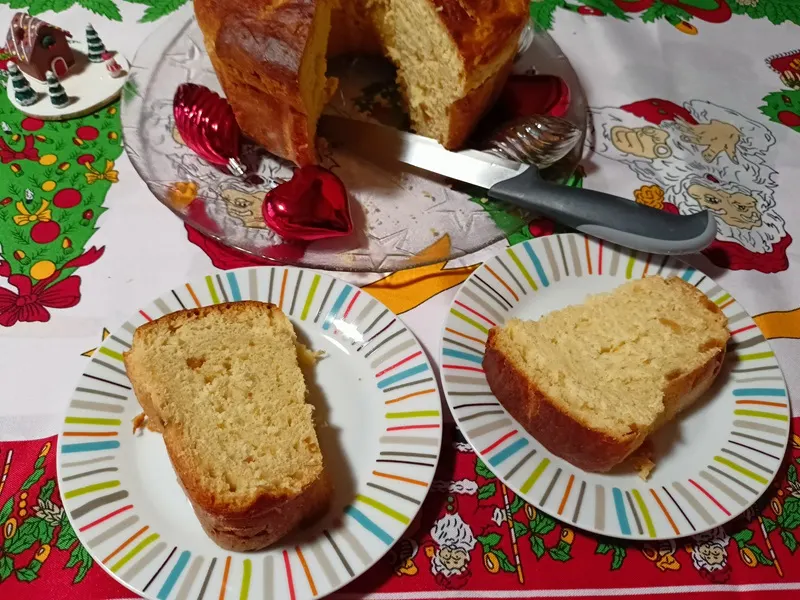
The contrast between the two is a playful reflection of personal taste and experimentation in the kitchen. While the doughs are rising for the first time and writing the post, I reflected on some of the questions I’ve had while making panettone and those I imagine readers might ask when trying it themselves.
Why two panettones instead of one?
I wanted to accommodate different tastes in the family. My daughter prefers smoother flavours without raisins, while the rest of the family enjoy the complex, boozy-sweet notes of a more traditional version. Creating two allows me to explore both, and it’s a great way to learn how different fillings interact with the dough during baking.
What is the best flour to use for panettone?
The best flour for panettone is a very strong bread flour, usually referred to in Italy as “farina manitoba.”
This type of flour has a high protein content (around 14–15%) and a strong gluten structure, which is essential for panettone’s long fermentation and rich dough containing butter, eggs, and sugar.
A strong flour allows the dough to:
- Develop an elastic, extensible gluten network
- Trap gases during long proofing
- Rise tall and stay light and airy without collapsing
If Italian Manitoba flour is not available, choose:
- A strong bread flour with at least 13–14% protein
- Flour described as suitable for long fermentation or enriched doughs.
Avoid plain / all-purpose flour, as it is too weak and will result in a dense or collapsed panettone.
Can I refrigerate the dough overnight?
Yes! For those who prefer a slower rise or need to prepare in stages, the second rise can be done in the fridge. A cold, slow fermentation actually develops flavour beautifully. However, it’s best to let the dough rest at room temperature for 30–45 minutes first, cover it well with cling film, to prevent drying, and then refrigerate. The next morning, bring it back to room temperature and allow it to finish rising until it reaches just below the top of the mould before baking.
How should the main dough feel before adding butter?
With enriched doughs like panettone, especially when using a wet poolish-style starter, the main dough will feel soft, sticky, almost batter-like at first. This is completely normal. The gluten develops as you knead, and when you gradually add butter, the dough becomes shiny, elastic, and more cohesive. Resist the urge to add extra flour – sticky is how panettone dough should be before butter.
Why no sugar in the starter?
Many readers wonder why the starter (biga) doesn’t include sugar. The starter’s role is to develop flavour and structure slowly. Adding sugar at this stage would accelerate fermentation too much and weaken gluten formation. Sweetness and richness are introduced in the main dough, after the starter has done its work.
What about hydration? My starter felt very sticky.
A sticky, batter-like starter is common, especially with high hydration. Flour absorbs water differently depending on type and freshness, so don’t worry if your starter seems wetter than expected. The main dough can handle it – in fact, it often results in a lighter, more open crumb.
Should eggs be whole or just yolks?
Some recipes call for yolks only, but in these panettones, I use whole eggs. This provides structure while keeping the dough rich and tender. There’s no need to separate them; using whole eggs gives balance to the richness of the butter and preserves.
Why preserve the traditional techniques: While experimenting with flavours, I still follow traditional panettone techniques – long fermentation, careful kneading, and gradual incorporation of butter. These steps create the airy, stringy crumb that panettone is known for. Even when modifying fillings, respecting the core method ensures the bread rises beautifully and tastes authentic.
Looking forward: Once both panettones are baked, cooled, and sliced, the contrast will be evident: one smooth and fragrant with bergamot, the other rich and boozy with citrus, fig, and raisins. These are the little pleasures of the holiday season – experimenting with tradition, adapting flavours, and sharing moments in the kitchen.

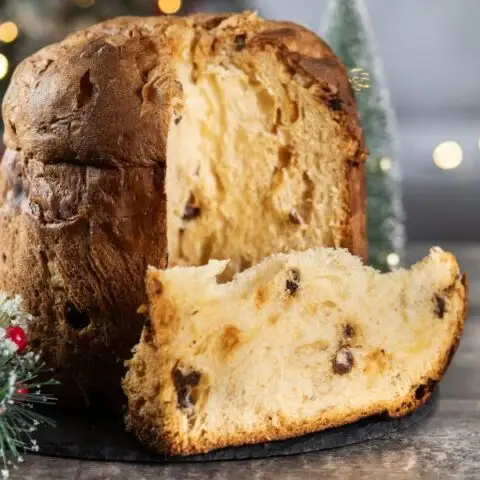
Panettone with a Twist of Greek Flavours
Discover two unique panettone recipes with Greek fruit preserves, one with bergamot for a raisin-free version, and another with mixed citrus, figs, and raisins.
Learn tips for dough handling, fermentation, and enriched bread techniques.
Ingredients
Starter (biga):
- 110 grams strong bread flour
- 4 grams dry yeast
- 160 ml lukewarm water
Main dough:
- 430 grams strong bread flour
- 135 grams granulated sugar
- ¾ tsp salt
- 30 grams honey
- 4 large eggs
- 2 vanillin ampules
- 1 tbsp orange
- 1 tbsp lemon zest
- 165 grams softened butter
Fruit mixture:
- 60 grams sultana raisins
- 135 grams candied orange peel
- 50 ml brandy
Finish:
- 15 grams butter for the top
Instructions
Prepare the starter:
- Mix flour, yeast, and water until combined.
- Cover and let it sit at room temperature for 1–2 hours until bubbly and active. (It will be sticky — that’s normal.)
Prepare the fruit:
- Soak raisins in rum or brandy (or warm water, if you don't want to use alcohol), for 30 minutes.
- Drain, pat dry, and mix with candied peel. Set aside.
Make the main dough:
- In a mixer bowl, combine starter, flour, sugar, salt, honey, eggs, vanilla, and citrus zests.
- Mix on low speed until roughly combined.
- Knead for 12–15 minutes until the dough starts to become elastic.
- Gradually add softened butter, kneading for another 10–12 minutes
until the dough is smooth, shiny, and elastic.
First rise:
- Cover the dough and let it rise at room temperature for about 2 hours
(or until doubled).
Add the fruit:
- Gently fold in the raisins and candied peel.
- Shape the dough into a ball and place it in your 21 cm × 9 cm paper
mold.
Second rise:
- Cover and let rise at room temperature for 2–3 hours or until dough reaches just below the top of the mold.
- (If you want, you can also refrigerate overnight for a slower rise (bring back to room temperature in the morning until it reaches the correct height).
Bake:
- Preheat oven to 180°C (no fan).
- Score a cross on top and place a small knob of butter in the center.
- Bake for 30 minutes. Then place a piece of foil loosely over the top to keep it from browning too much. Continue to bake for 40 to 45
minutes, or until golden brown and an instant read thermometer inserted into the center of the dough registers 91oC (see note). Remove it from the oven, transfer to rack, and let IT cool completely in the mold.
Cool:
- Let panettone cool in the mold for at least 1 hour before slicing.
Tips
Dough will be soft and slightly sticky, so handle gently.
Watch dough height, not time, for both rises.
Best eaten 12–24 hours later for full flavour.
Notes
If you don’t have a thermometer, insert a long wooden skewer (or a thin knife) straight into the centre from the top.
It should come out completely clean- not even a smear of sticky dough.
Nutrition Information
Yield 12 Serving Size 1Amount Per Serving Calories 415Total Fat 14gSaturated Fat 8gUnsaturated Fat 6gCholesterol 95mgSodium 258mgCarbohydrates 62gFiber 2gSugar 26gProtein 8g
"These values are automatically calculated and offered for guidance only. Their accuracy is not guaranteed."
Christmas Desserts
Looking for inspiration for this Christmas?
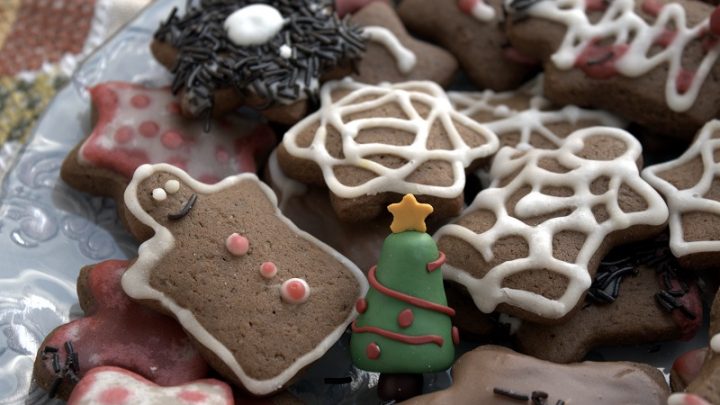
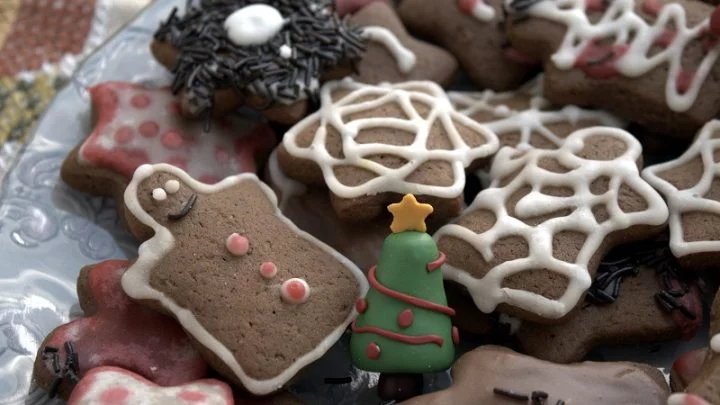
Gingerbread Cookies with Carob Syrup
These gingerbread cookies are made with carob syrup instead of molasses and perfect to add to your Christmas cookies recipes.
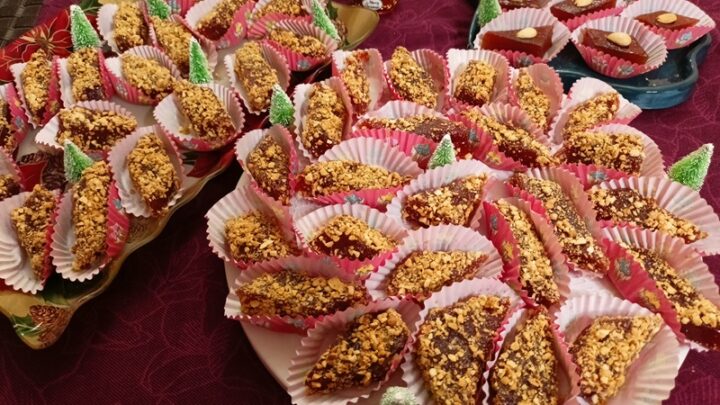
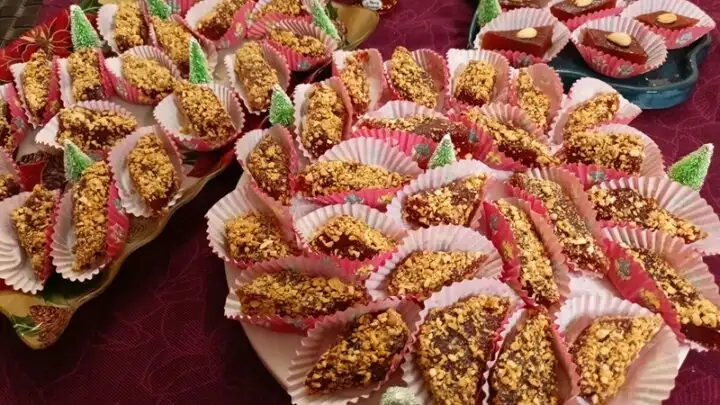
Kydonopasto with Almonds and Lemon (Greek Quince Paste)
Kydonopasto is a Greek traditional, aromatic dessert made by slowly simmering fresh quince fruit with sugar, water, and a touch of lemon juice.
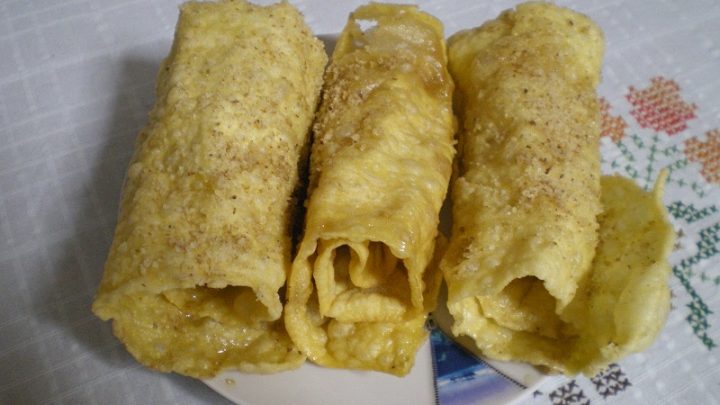
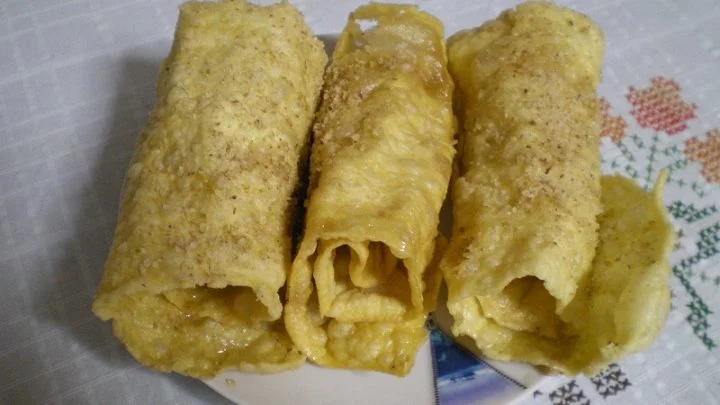
Diples
Diples (pronounced diip-LESS), which means folded, is another traditional Christmas sweet pastry, made in many parts of Greece especially in the Peloponnese. These are the desserts they serve at weddings, christenings, engagements etc. but are also very popular during Christmas.
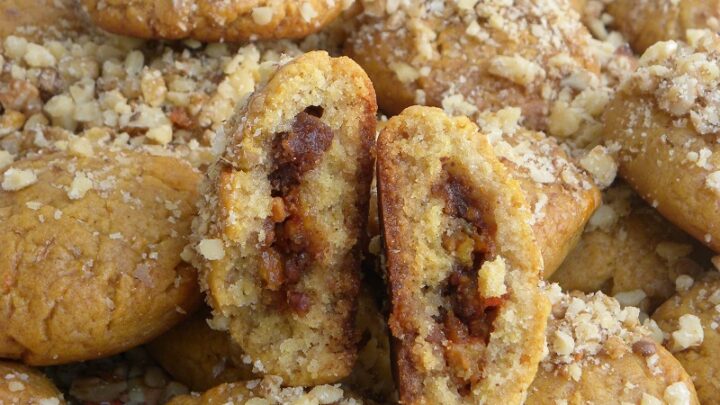
Melomakarona with Chocolate
Melomakarona are spicy Christmas olive oil and semolina cookies drenched in a honey syrup and sprinkled with walnuts on top.
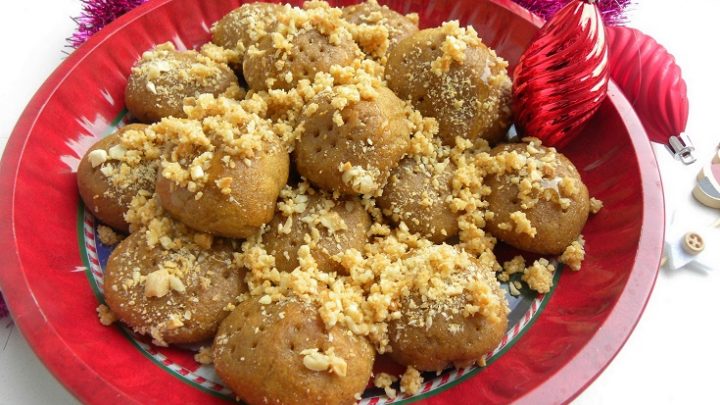
Mandarin Melomakarona
"Melomakarona" (honey cookies) is a traditional recipe made during Christmas. The cookies are made with olive oil and drenched in a honey syrup, with lots of walnuts on top.
Traditional Greek Baklavas
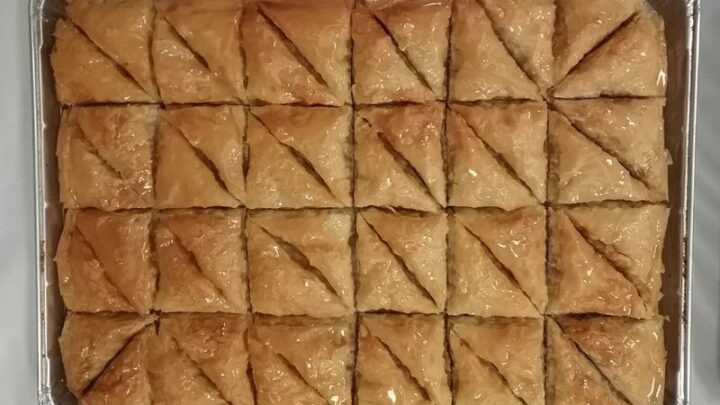
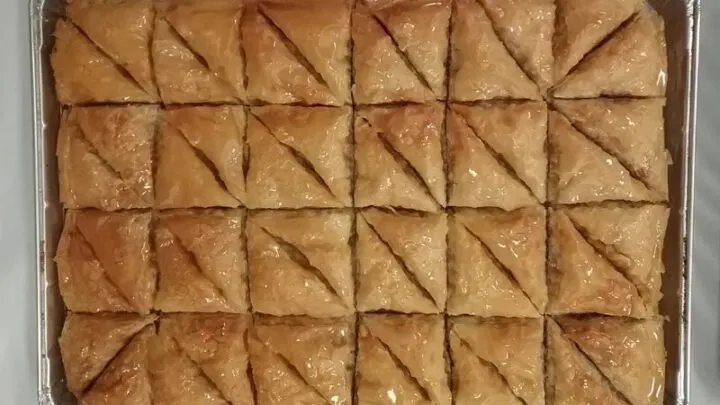
The traditional Greek baklavas, is made with many layers of thin sheets of "phyllo kroustas",  which are brushed with butter, with various kinds of nuts and spices added between the layers and sweetened with honey syrup.
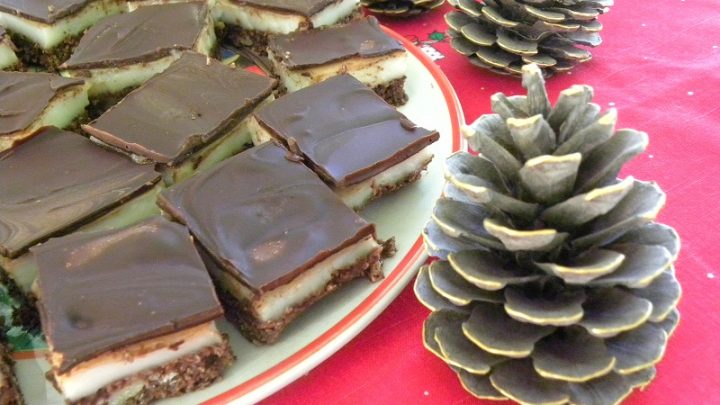
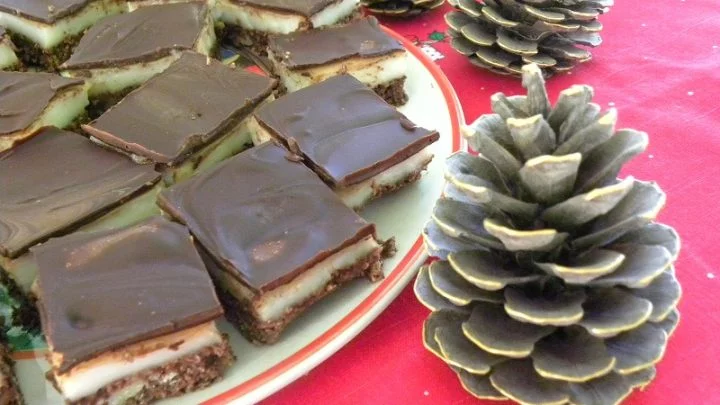
Eggless Nanaimo Salepi (Sahlab) Bars
Nanaimo Bars are a classic Canadian Christmas dessert. They are made with a chocolate biscuit base, coconut, and walnut crust then topped with a layer of custard and topped with chocolate.
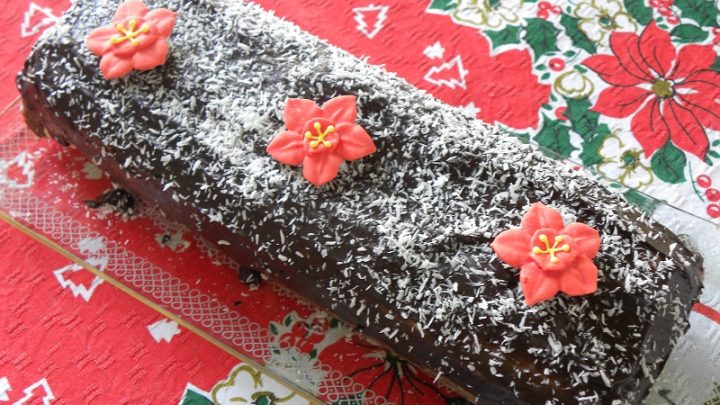
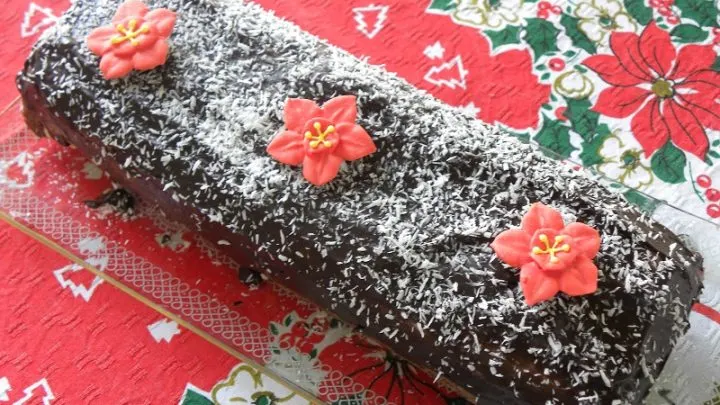
Christmas Chocolate Wafer Coconut Roulade
This Christmas Chocolate Wafer Coconut Roulade is made with a biscuit base crust and is filled with pastry cream, topped with chocolate ganache.
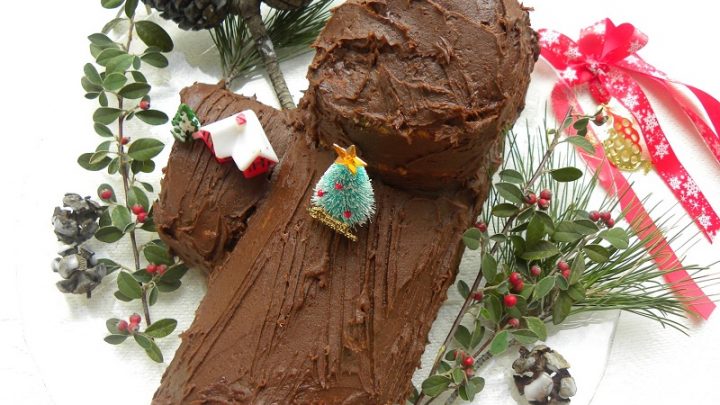
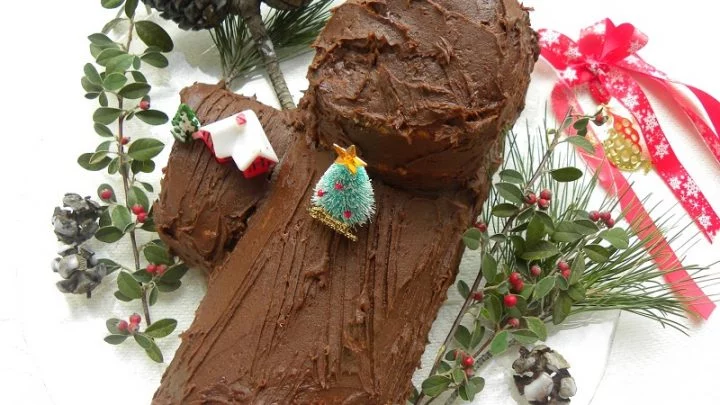
Christmas Chocolate Carob Yule Log (Bûche de Noël)
A Yule log (or bûche de Noël in French, is a traditional Christmas dessert made of a yellow sponge cake which is shaped into a roulade in order to create a chopped branch.
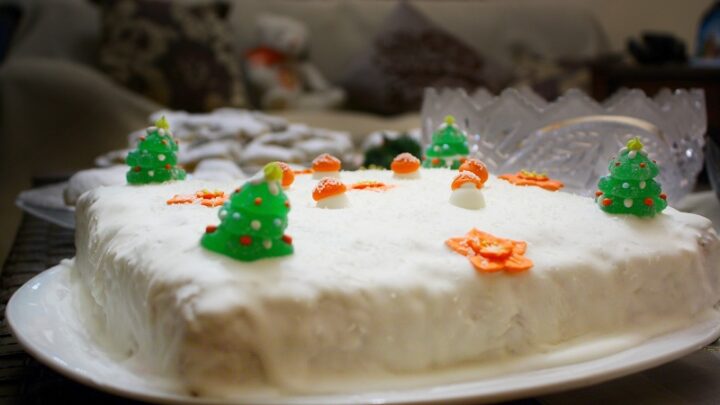
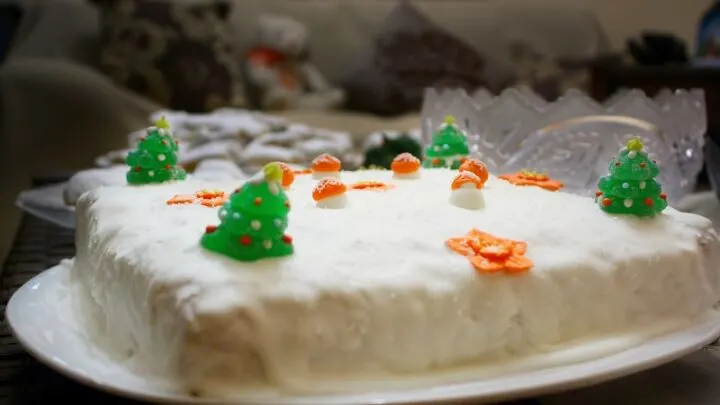
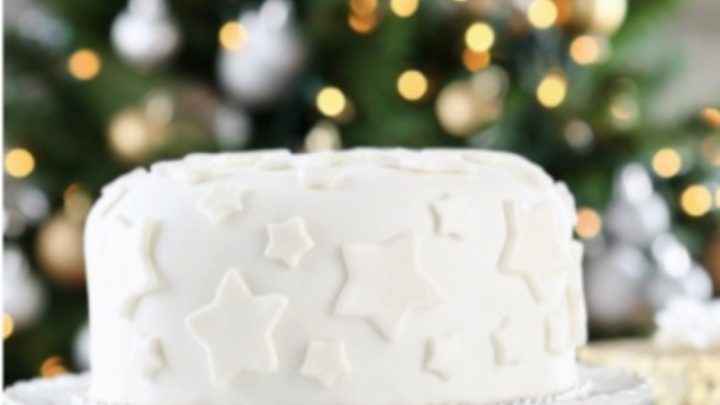
White Christmas Fruit Cake
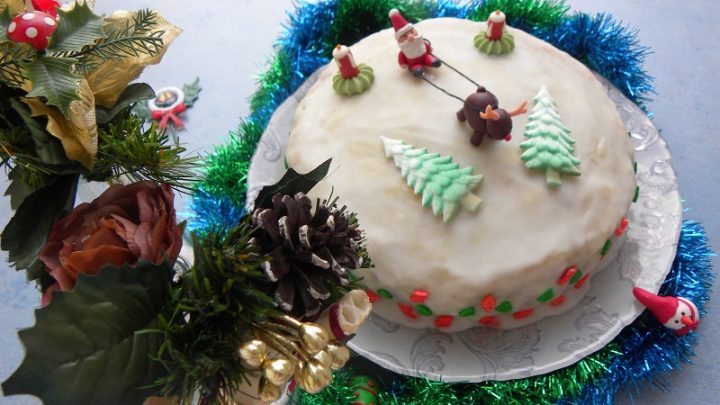
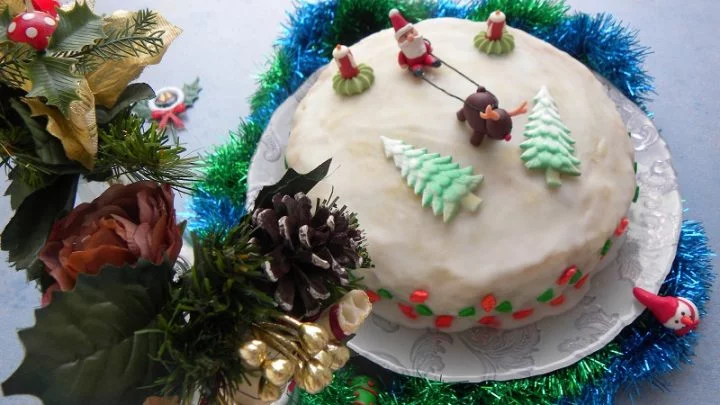
Ever since the British occupation of Cyprus, Christmas cake has been a big part of our holiday celebrations. Many families have a traditional recipe for a Christmas Cake and ours is no exception.
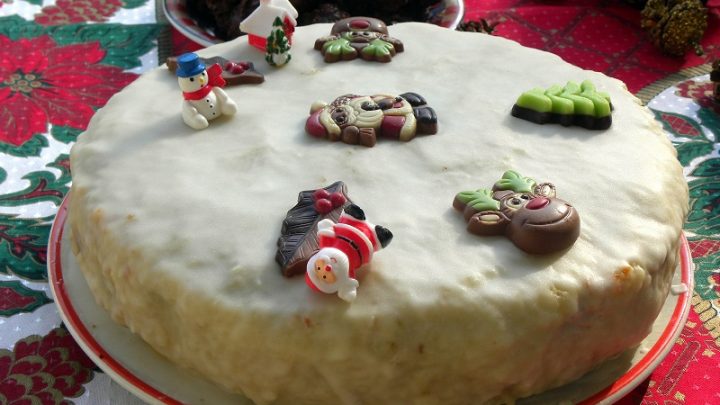
Traditional Christmas Cake
A traditional Christmas cake recipe which is filled with homemade fruit preserve, as well as nuts, raisins brandy and treacle.
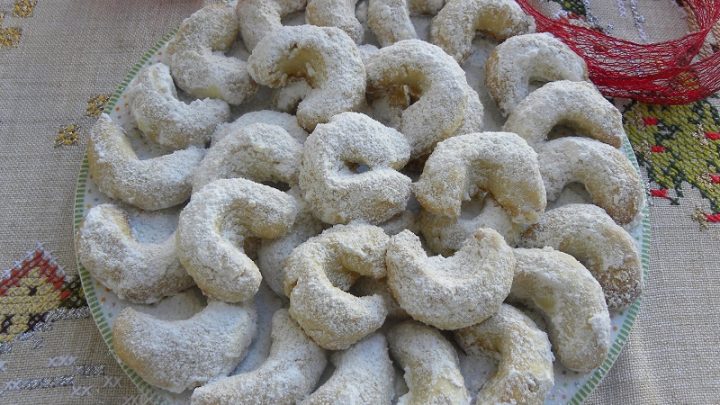
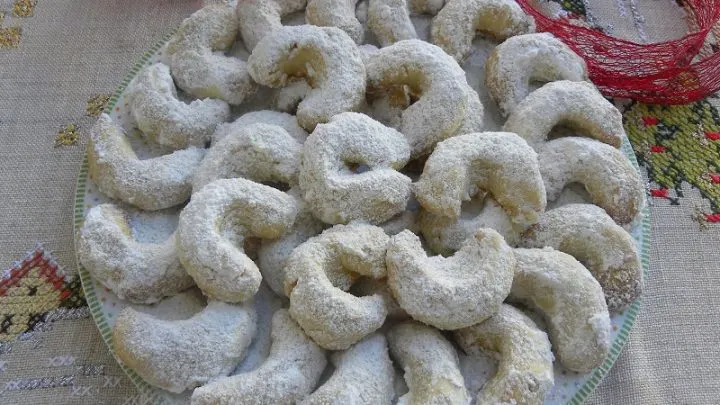
Vanillekipferl (Christmas Almond Crescent Cookies)
Vanillekipferl are cookies which originate from Austria and can be found in many other countries such as Germany, Hungary and otheer Eastern European counties.
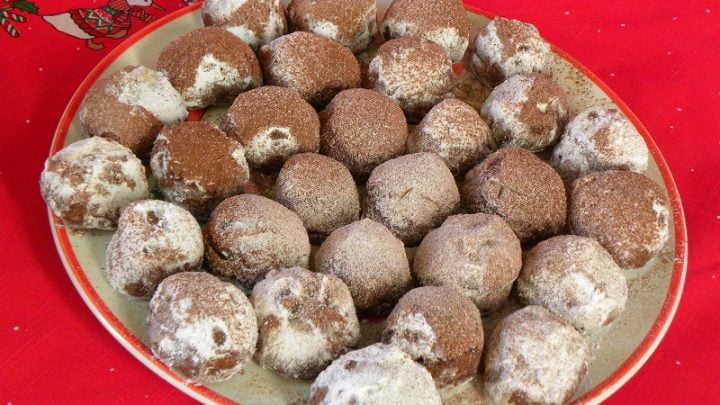
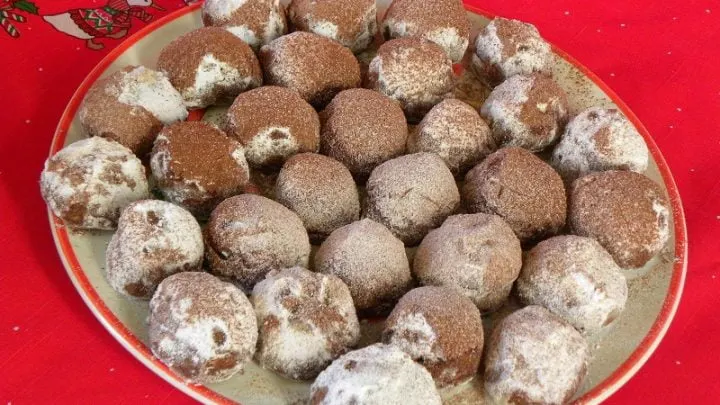
Chocolate Kourabiedes
These chocolate kourabiedes are made with buffalo milk butter and cocoa powder and filled with dark chocolate and orange preserve.
Easy Chocolate Truffles from Christmas Leftovers
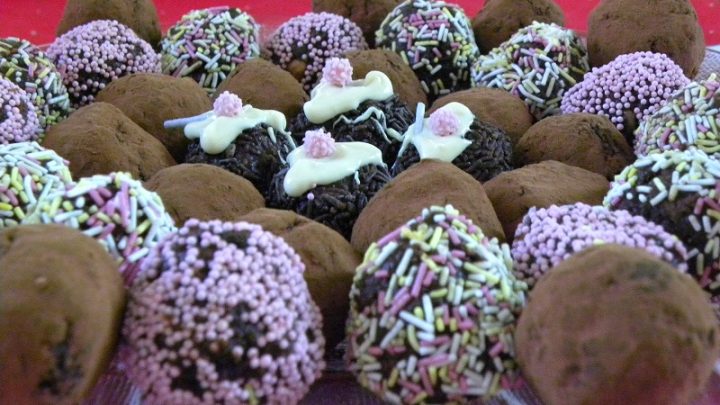
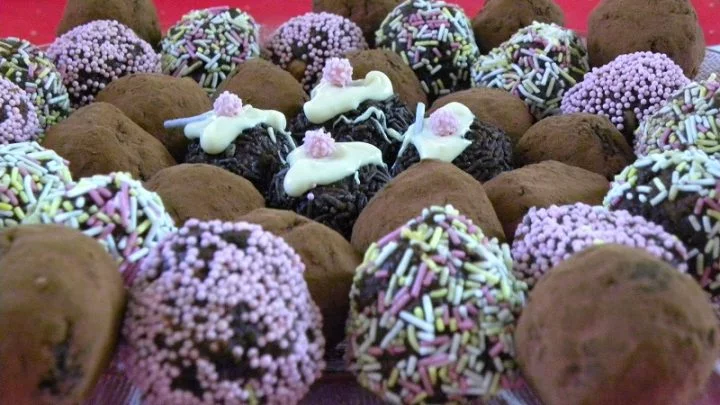
These truffles are an ingenious way to use up leftover kourabiedes, melomakarona, Christmas Cake, or Cookies.
Melomakarona with Pecans
Melomakarona with Pecans are one of our Christmas traditional cookies which are infused in honey. They have no butter, no eggs, nothing dairy but they are so tasty you cannot just eat one.Â
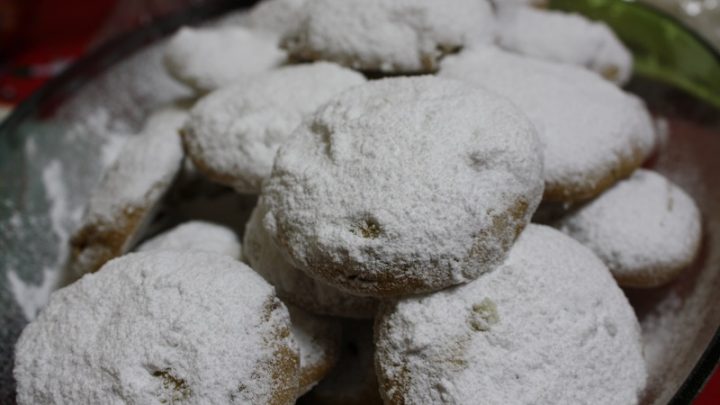
Kourabiedes by Parliaros
These kourabiedes are adapted from the famous Greek pastry chef, Stelios Parliaros.
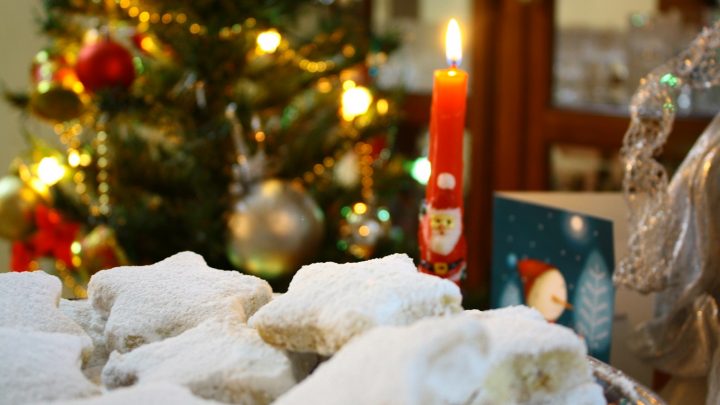
Aromatic Greek Kourabiedes
These aromatic Kourabiedes (Greek Christmas cookies) are flavoured with vanilla and citrus blossom water.
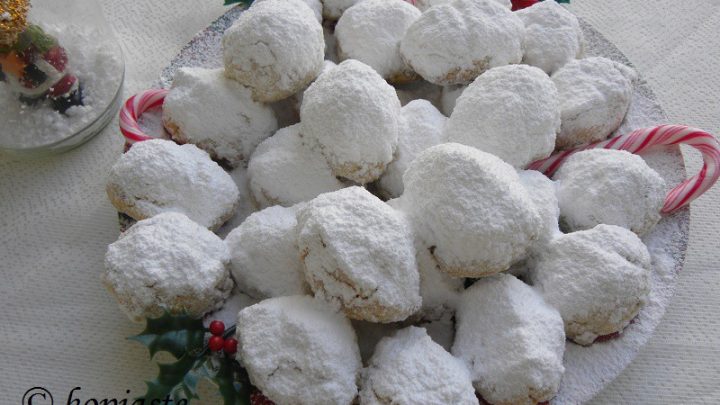
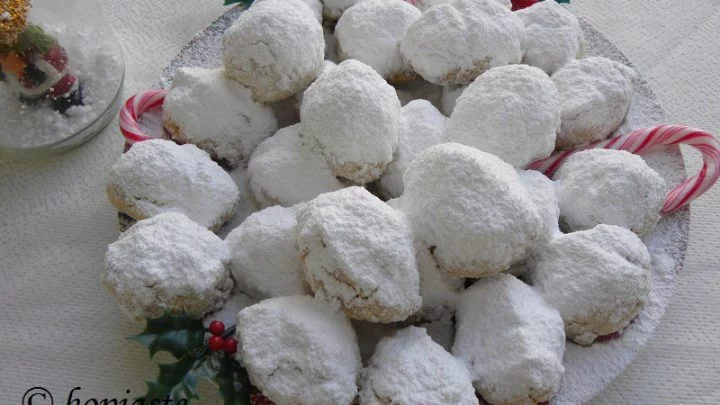
Melt in your mouth Kourabiedes
Kourabies (pl. kourabiedes) are the Greek shortbread cookies made during Christmas. In the older times, before the use of the mixer, these cookies needed elaborate preparation and that was done by hand, so these were made for special occasions such as weddings, christenings and other celebrations.

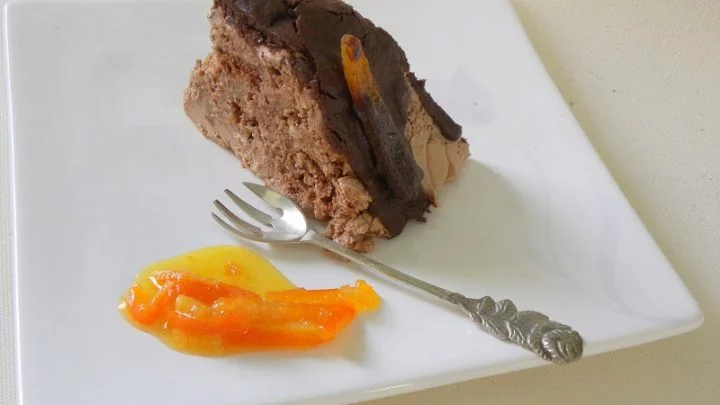
Black Lava Orange Gateau, A gourmet dessert made out of leftovers
This Black Lava Orange Gateau, is easy to make and was made out of leftover Christmas Cookies. Everyboday gets fed up of eating the same cookies for many days, so I decided to use my leftovers and make a new dessert which we enjoyed after the holidays!

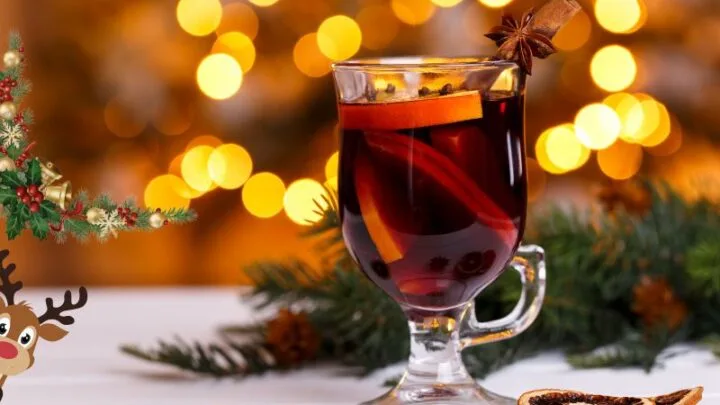
Glühwein - Mulled sweet wine
Traditional Glühwein recipe with history, spices, serving tips and Greek wine suggestions. Learn how to make classic mulled sweet wine at home for winter gatherings.
Panettone with a Twist of Greek Flavours
Discover two unique panettone recipes with Greek fruit preserves, one with bergamot for a raisin-free version, and another with mixed citrus, figs, and raisins.
Learn tips for dough handling, fermentation, and enriched bread techniques.
Kopiaste and Kali Orexi,