
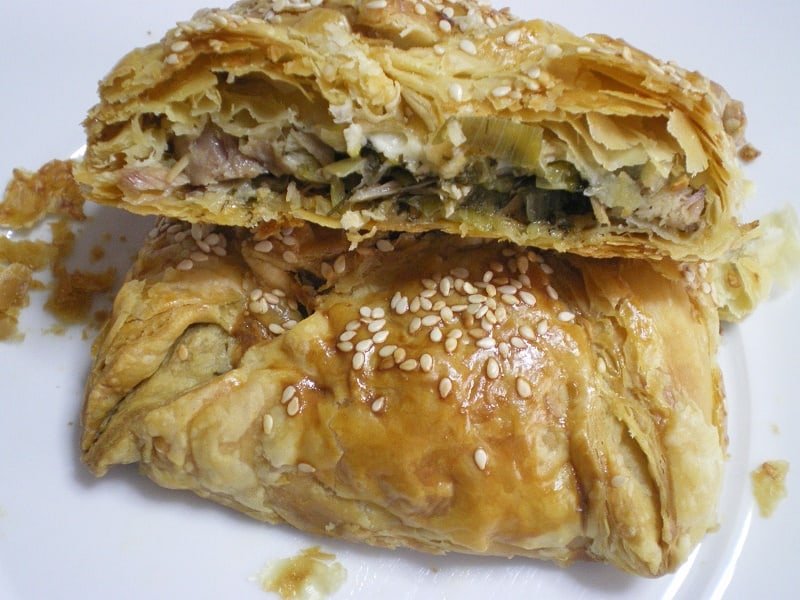
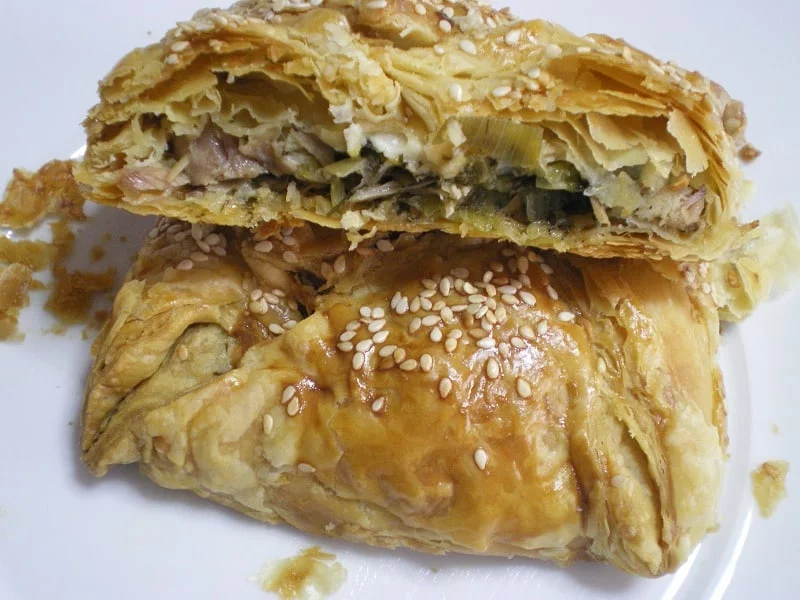
Everybody loves a good lamb pie wrapped in puff pastry and this one is made with leftover lamb on the spit, a few days after Easter with the addition of leeks, spring onions, dill and graviera cheese, which is just delicious!
Red Meat
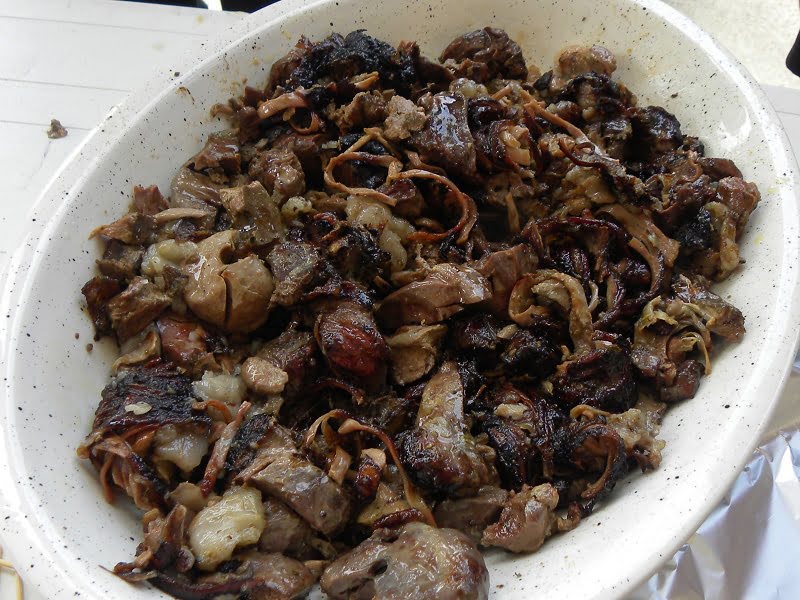
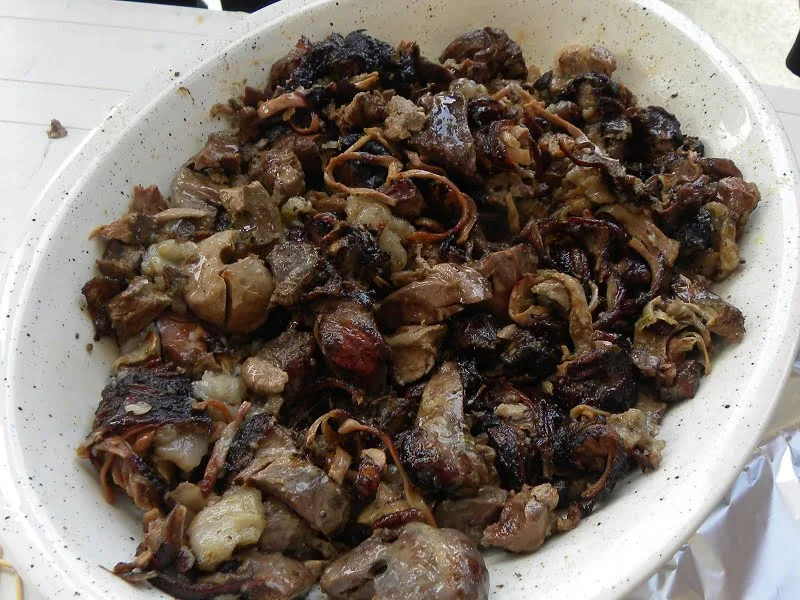
Kokoretsi is a traditional Greek Easter dish consisting mainly of seasoned lamb or goat offal wrapped with lamb or goat intestines.
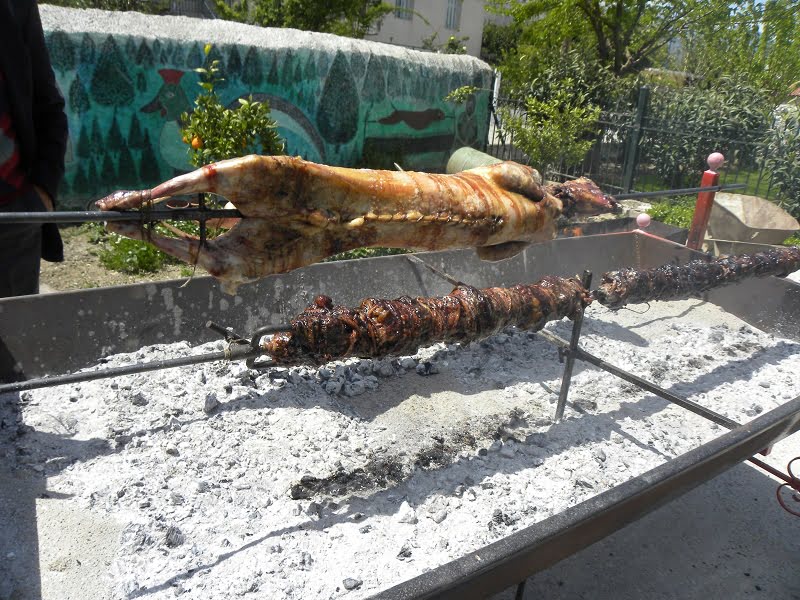
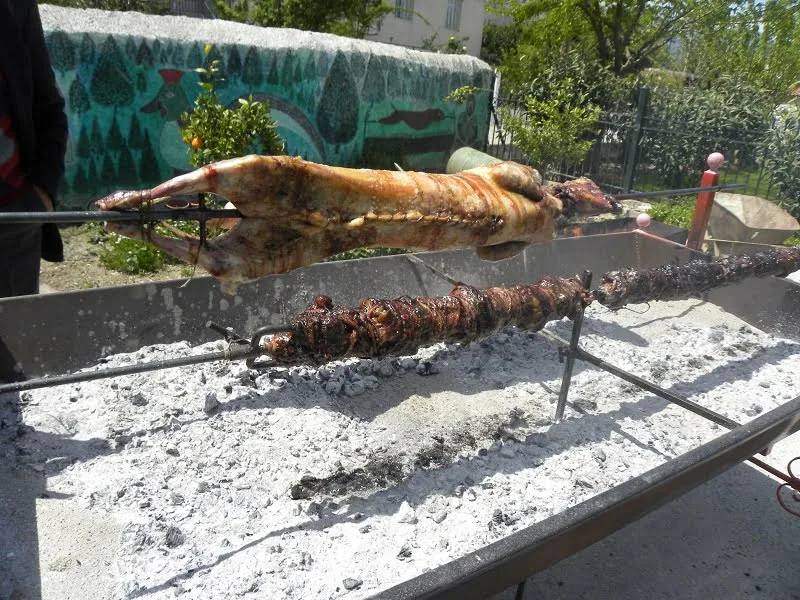
Ovelias is a Greek Easter tradition where a whole lamb is roasted on the spit. The word ovelias pronounced Oh-veh-LI-as comes from the ancient Greek word “ovelos” which used to be a wooden or steel rod, where pieces of meat were skewered on and slowly cooked. Nowdays, the word “ovelias” means a whole lamb cooked for Easter on the spit.
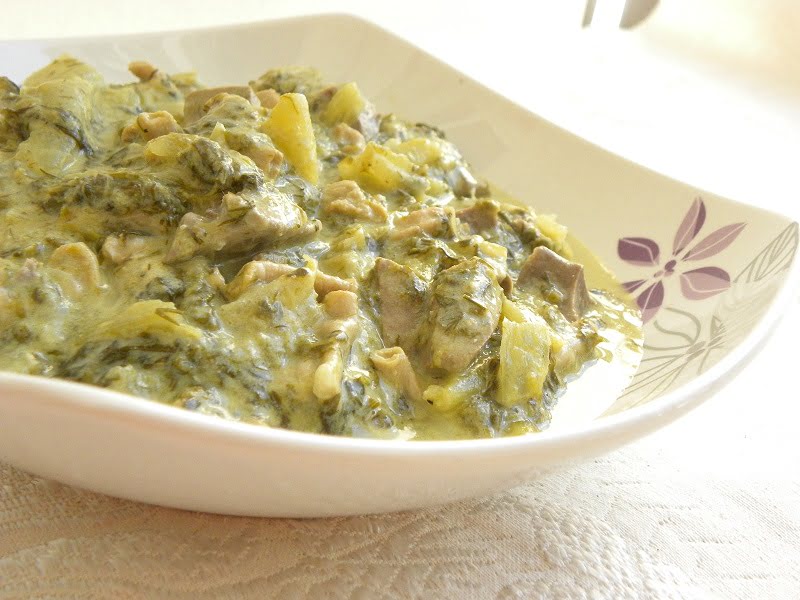
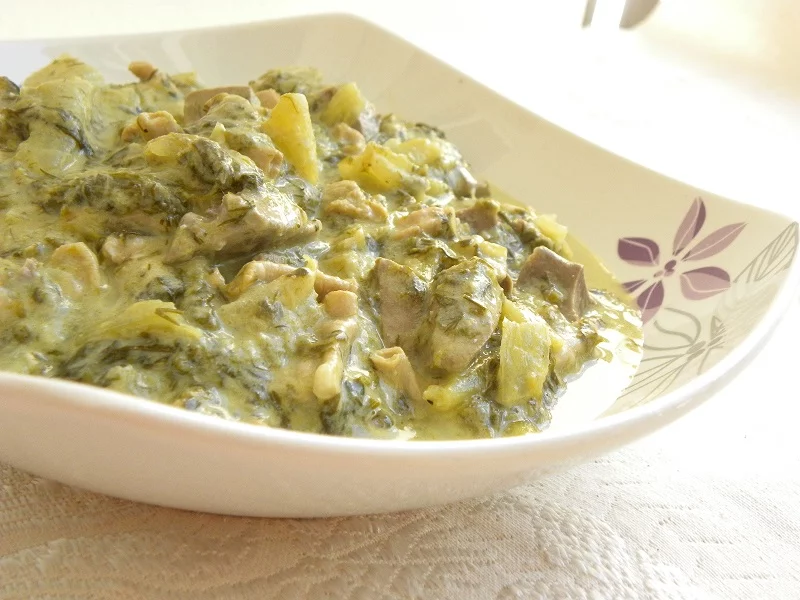
Magiritsa is a traditional Greek Easter offal soup which is the first thing served after the midnight mass on Saturday evening.
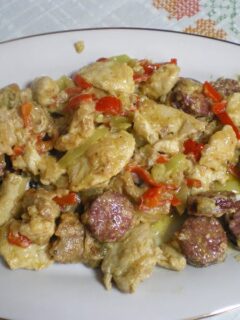
Agioritiki Tigania is a mixture of fried meat in a wine sauce. The name of this dish is named after Mount Athos, which in Greek is Aghion Oros. I don’t know if the monks in Agion Oros prepare this dish but it is a very good mezes.
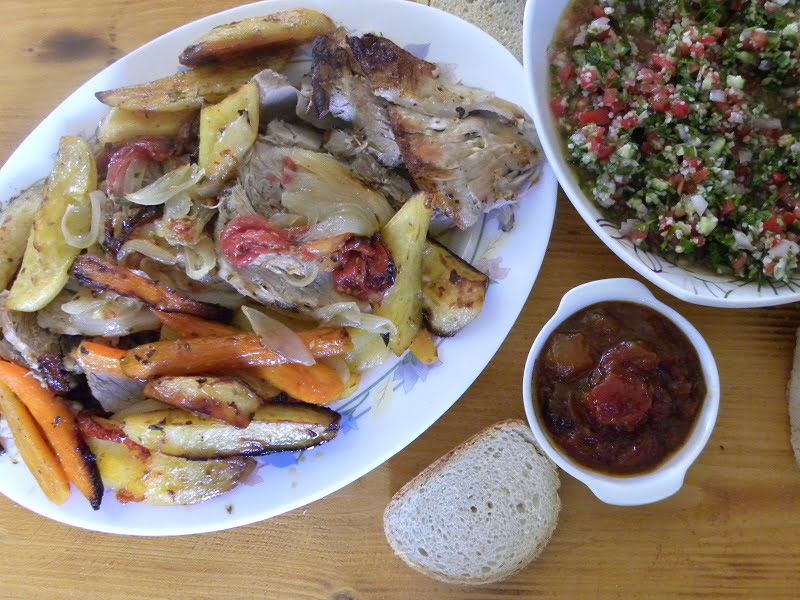
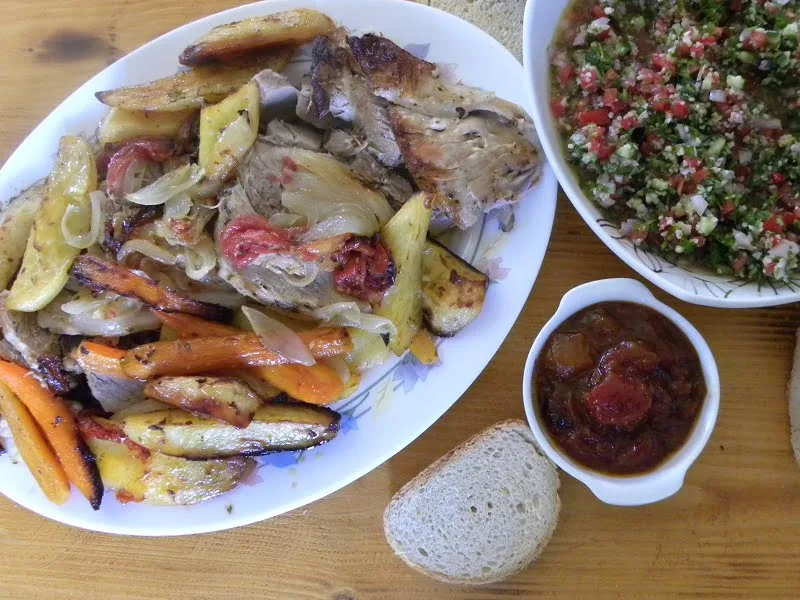
Arni Psito pronounciation “ar-KNEE psee-TOH” is roasted meat cooked in the oven. It could be made with lamb or goat and it is the perfect Sunday meal.
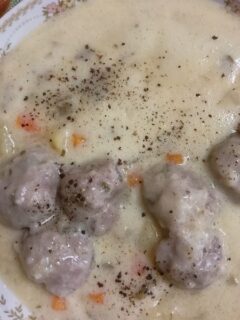
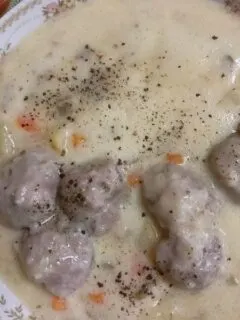
Giouvarlakia, pronounced yiou-var-LA-kia, is a Greek soup with meatballs using ground veal, pork or chicken, rice, herbs and spices cooked and thickened with a lemony avgolemono sauce.
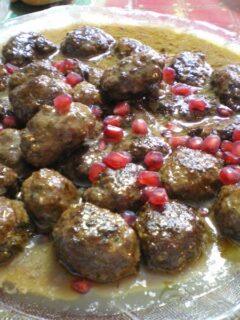
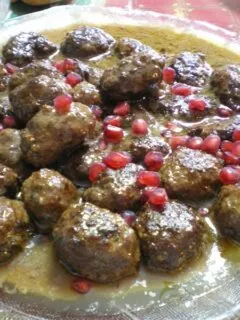
These Greek Keftedes me Rodi (Meatballs with Pomegranate Sauce) are perfect on any occasion and if formed into small balls, they will be the hit of your next party!
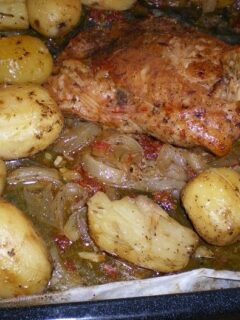
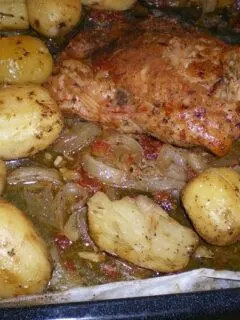
Today I am posting another recipe, which is suitable for a festive occasion. Wild boar with sage and honey. Wild boar isn’t something we cannot get everyday in Greece. We can, however, get it during the Christmas and New Year’s holidays, so I plan to make it during the holidays.
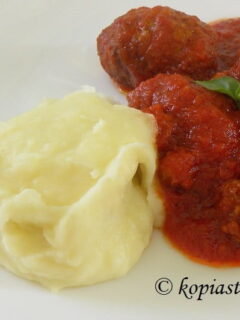
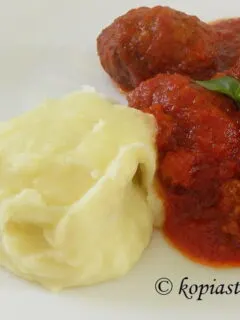
The word soutzoukakia derives from the Turkish soujouk, which is a dry, spicy, sausage and the Greek suffix -akia, meaning “small”. The fact that it derives from the Turkish word does not mean, of course, that this is Turkish, as in Wikipedia we often see various things named as Turkish, when in fact they …