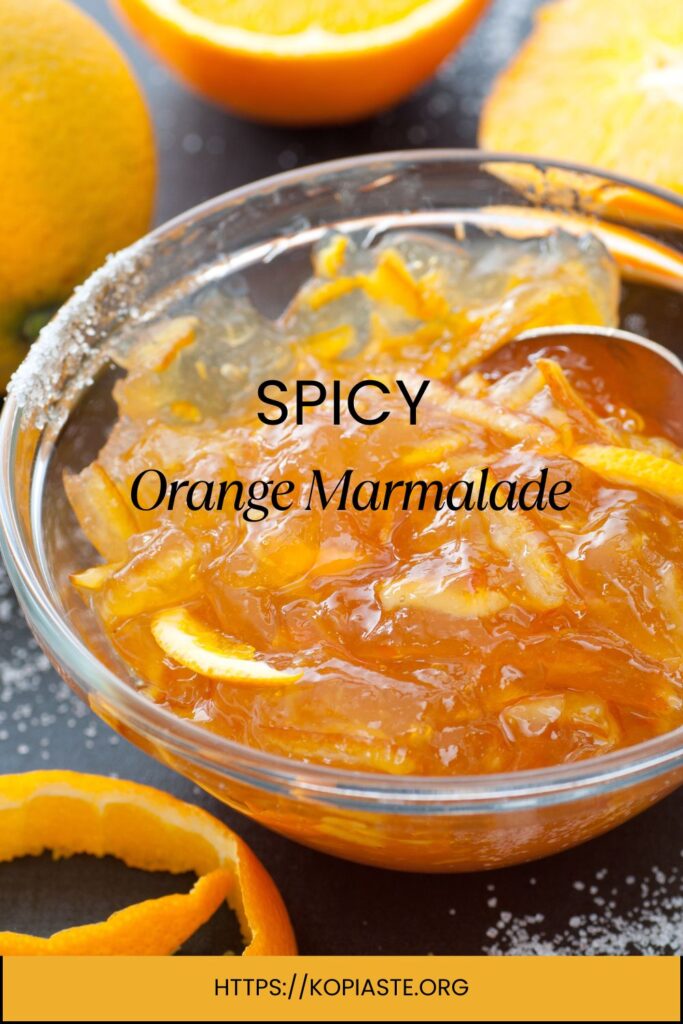
Spiced Orange Marmalade
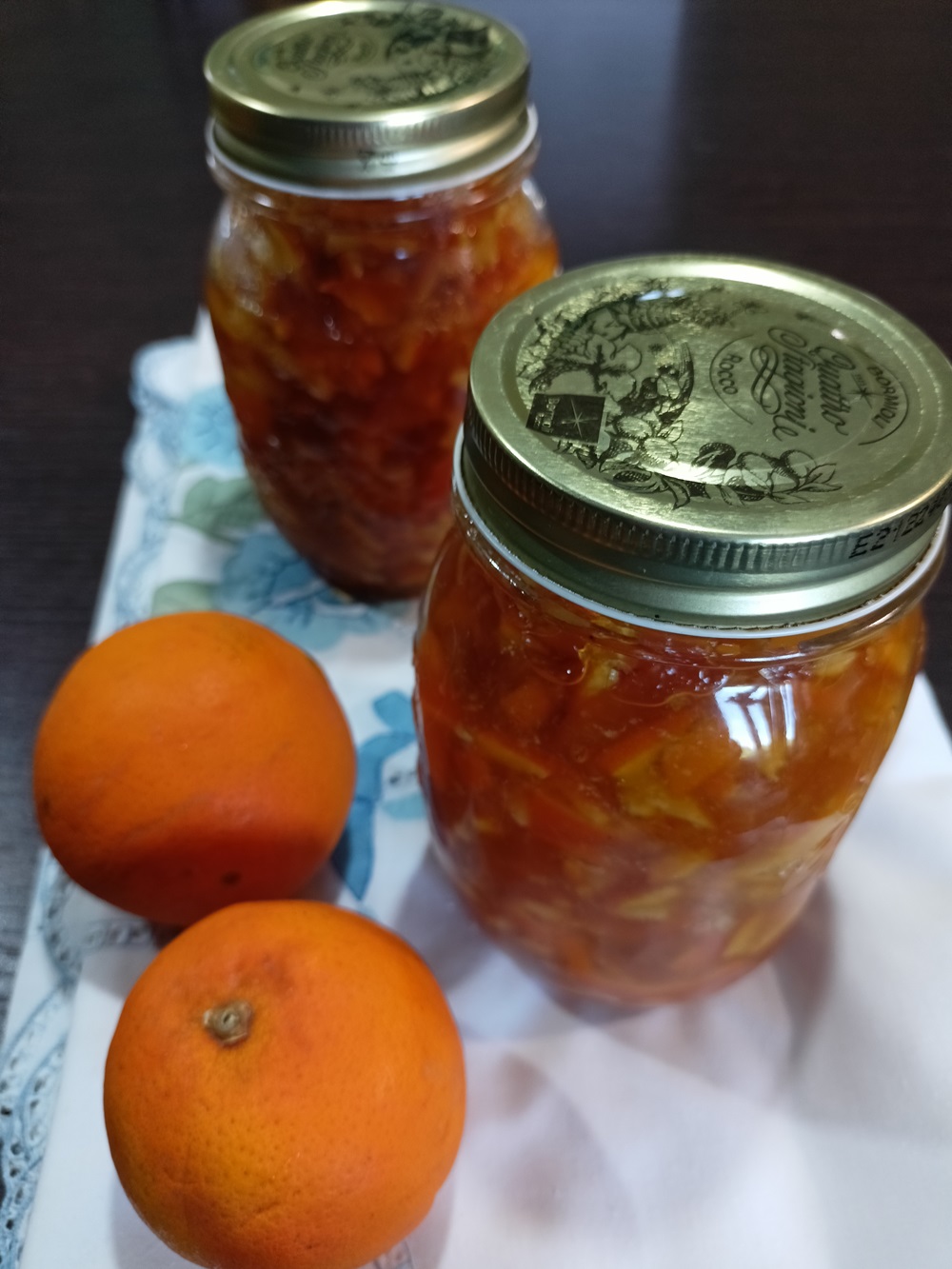
There’s something deeply satisfying about making Orange Marmalade from scratch. The transformation of simple citrus into jars of glowing, bittersweet preserve feels almost magical.
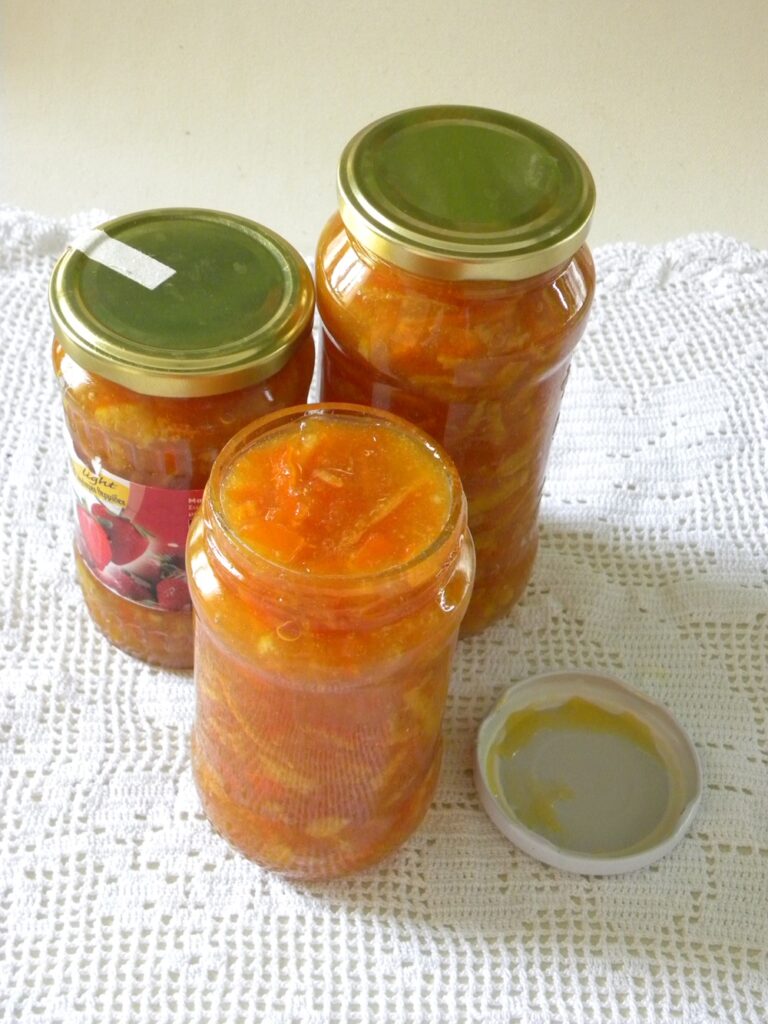
This batch came together using a mix of sweet oranges and Seville oranges, balanced with lemon and gently warmed with spice.
Because Seville oranges are naturally high in pectin, they help create that perfect set and traditional marmalade bite.
Combined with regular oranges, the result is a more rounded, less aggressively bitter flavour, ideal if you enjoy marmalade but don’t want it too sharp.
This marmalade is made using a combination of sweet oranges and Seville oranges, balanced with lemon and fresh ginger.
It follows a traditional method that relies on the fruit itself for structure and flavour, without the need for added pectin.
What makes this version particularly successful is the way the peel is handled through multiple cooking stages, which softens it properly while controlling bitterness.
The result is a marmalade that is bright, slightly bitter, and well set, with a deep citrus flavor and a subtle warmth from the spices.
Why this marmalade works
This recipe benefits from the combination of Seville and sweet oranges.
Seville oranges provide bitterness and natural pectin, while sweet oranges soften the overall flavor and add juice.
The repeated blanching of the peel allows you to control bitterness without removing it completely, which is essential for a well-balanced marmalade.
The use of citrus seeds ensures a reliable set without commercial pectin. Adding lemon juice at the end preserves its freshness, gives the marmalade a cleaner, more vibrant finish but most of all, what people don't know is that lemon juice will prevent the sugar in the marmalade from crystalizing!
What oranges can be used
Seville oranges are ideal because of their high pectin content and characteristic bitterness, but they work best when combined with sweet oranges.
Blood oranges can be used for a deeper, more complex flavour, while mandarins produce a milder and sweeter marmalade.
In most cases, blending different citrus fruits gives a more interesting result than using a single type. See my recipe for Mixed Citrus Marmalade. In this recipe you will see the method I used was slightly different.
Controlling bitterness
This method uses multiple cooking stages instead of simple blanching.
Each stage softens the peel and reduces harsh bitterness while preserving the essential citrus notes.
If a milder marmalade is preferred, the bitterness can be reduced slightly by increasing the proportion of sweet oranges or by shortening one of the boiling stages.
How many times should I blanch the oranges to remove the bitterness?
You can do it as many times as you like, but in my opinion, three times is enough to leave a hint of bitterness without it being unpleasantly bitter
Tips for first-time marmalade makers
Do not remove all of the white pith, as it contributes to the natural setting of the marmalade. Slice the peel evenly so it cooks at the same rate.
Be patient during the boiling stage, as marmalade thickens further as it cools.
This method is ideal if you do not have a food thermometre: let the marmalade cool completely and if has not set, cooking again for ten more minutes. Repeat until it sets.
Allowing the mixture to rest briefly before jarring helps distribute the peel evenly throughout the jars.
Sterilization of Jars and storage
Before storing your marmalade, make sure that you sterilize the jars. When done, store sealed jars in a cool and dark place. Once opened, keep refrigerated and use within a reasonable time.
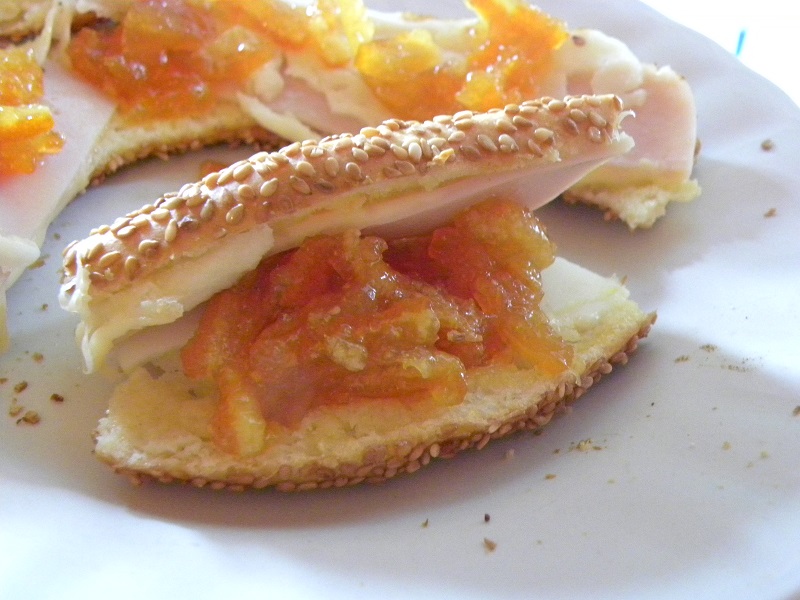
How to Use this Orange Marmalade
- Add to desserts
- Eat it with your yoghurt
- Spread on toast or croissants
- Pair with cheese
- Glaze roasted meats
FAQ
Why does this marmalade set without added pectin?
Because natural pectin is present in citrus peel and seeds and is extracted during cooking.
Why is the peel cooked multiple times?
To soften it properly and reduce bitterness while maintaining texture.
Can this be made without Seville oranges?
Yes, but the marmalade will be less complex and less bitter.
Why is lemon juice added at the end?
To preserve its fresh acidity and enhance the overall flavour but mostly to prevent it from crystalizing.
How do I know when the marmalade is ready?
It reaches setting point at around 105 degrees Celsius or passes the wrinkle test on a cold plate.
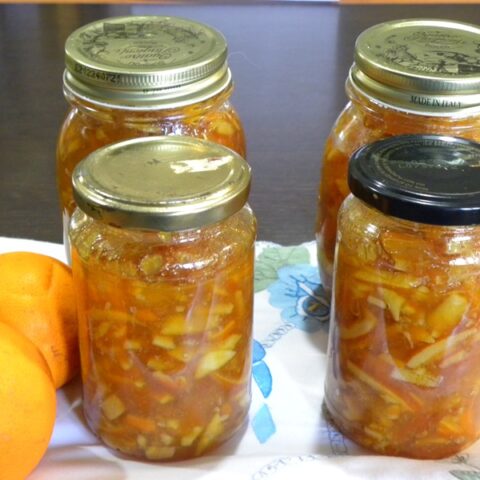
Spiced Orange Marmalade
A traditional orange marmalade made with Seville oranges, sweet oranges, lemon, and ginger. Step-by-step method using natural pectin and peel preparation.
Ingredients
- 1 kg orange peel
- 800 ml orange juice
- 200 ml water
- 1 kg sugar
- 1 small cinnamon stick
- Fresh ginger, about 2 inches
- Juice of two lemons
- Optional: cloves and star anise
Instructions
1. Prepare the fruit
Wash the fruit thoroughly. Cut the fruit in the middle and extract the juice. (you should have about 800 g orange juice). Set aside.
Juice the lemons separately. Add their peels together with the orange peels. Set the lemon juice aside.
2. Cook the peel
Place the orange and lemon peels in a pot and cover with water. Cover with a plate so that they don't float.
Simmer gently for about 1.5 - 2 hours, until soft and translucent, changing the water, at least three times.
Remove any membranes and thick pith. Cut the peel into fine strips. In the meantime, tie the seeds in a tulle.
3. Add juice, water and sugar
Add the orange juice and the seeds.
Add the sugar and water and heat gently until dissolved.
4. Add the spices
Add the spices of your preference.
5. Boil to setting point
Bring to a rolling boil until it reaches setting point (about 105°C or do the wrinkle
test).
6. Finish with lemon juice
When it reaches the desired temperature, stir in lemon juice.
7. Rest and jar
Let the marmalade sit for 5–10 minutes, then pour into sterilized jars.
Nutrition Information
Yield 2 Serving Size 1Amount Per Serving Calories 2615Total Fat 1gSaturated Fat 0gUnsaturated Fat 1gSodium 27mgCarbohydrates 672gFiber 56gSugar 533gProtein 10g
"These values are automatically calculated and offered for guidance only. Their accuracy is not guaranteed."
Jams and Marmalades
Some more homemade jams and marmalades
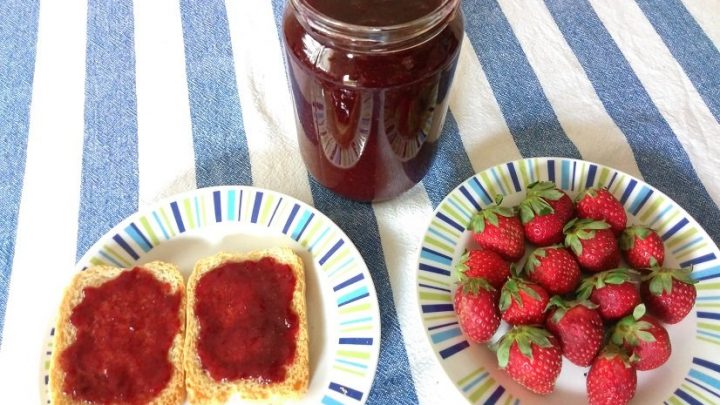
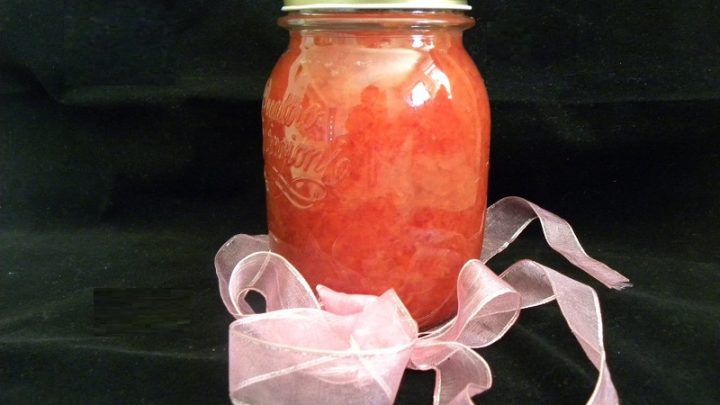
Marmelada Kydoni (Quince Jam)
Quince jam is so delicious that apart from spreading it on toasted bread, you can also use it to top creamy desserts but also used in other recipes.
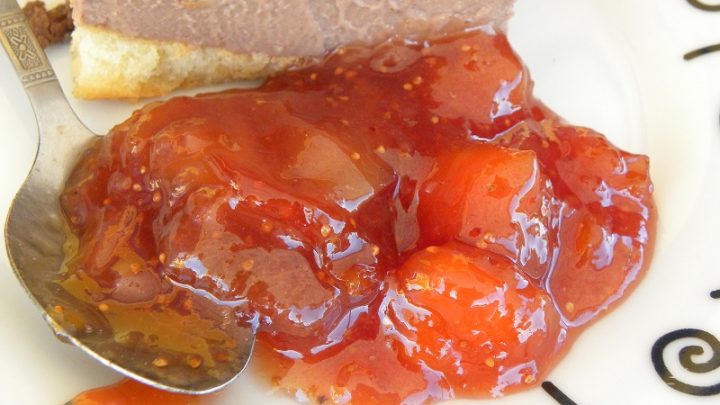
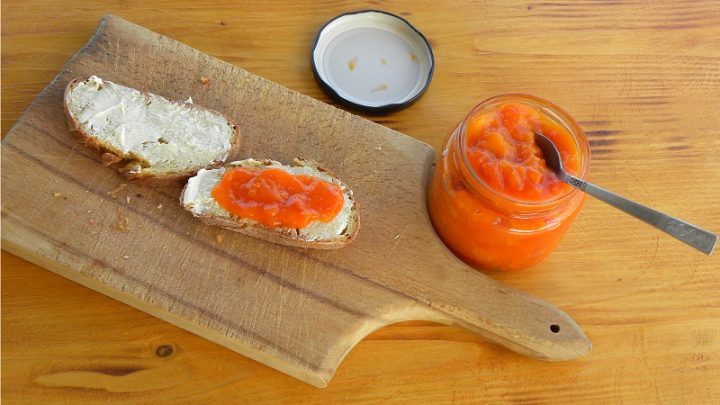
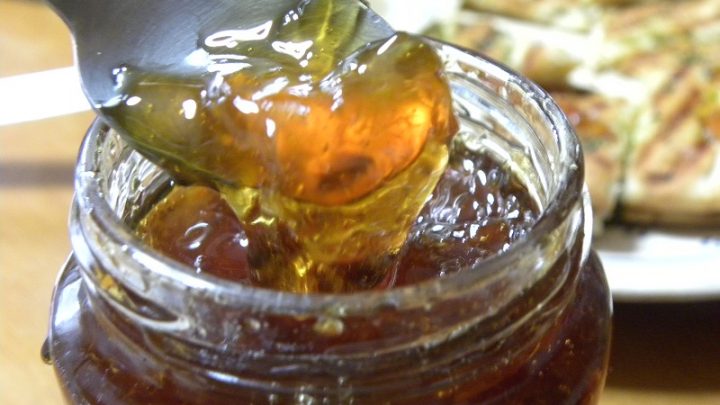
Bergamot Marmalade from Leftovers
Bergamot marmalade is the best of all citrus marmalades. It is precious as it has the most aromatic flavour that you can ever imagine. In this recipe it is made with the leftover fruit mixed with some bergamot peel.
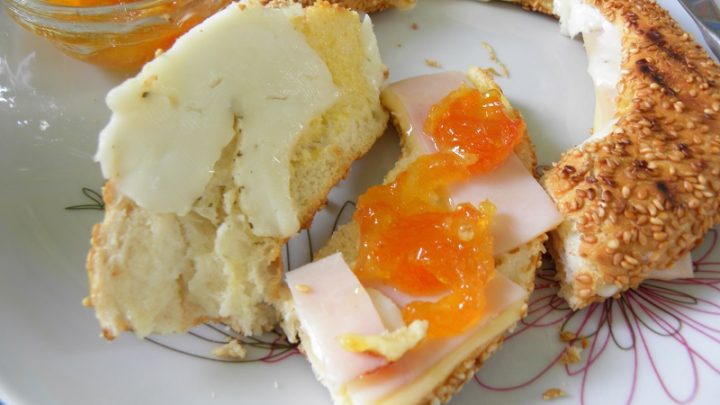
Mandarin (Tangerine) Marmalade
Mandarin Marmalade is one of the most delicious and aromatic citrus marmalades. Â It's delicious on toasted bread for breakfast or to use in other desserts.
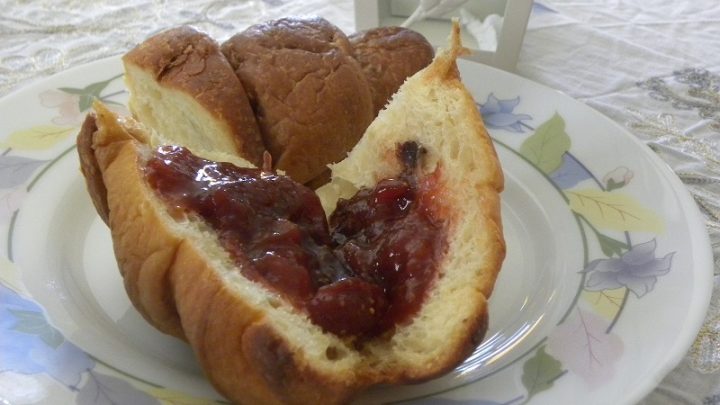
Glyko Sykalaki kai Marmelada Syko (Fig Spoon Sweet and Fig Jams)
Figs made into a fruit preserve and jam.
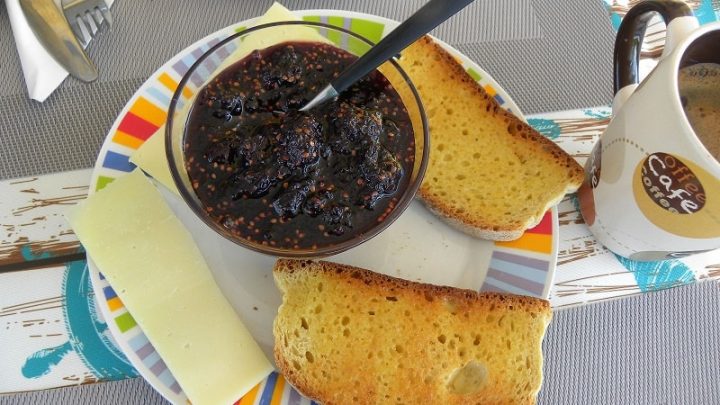
Mulberry Lavender Jam with Honey
Mulberry Lavender Jam with Honey is not only a very healthy combination of ingredients, which marry perfectly together but also one of the most aromatic and delicious jams I have ever made.
Kopiaste and Kali Orexi,