
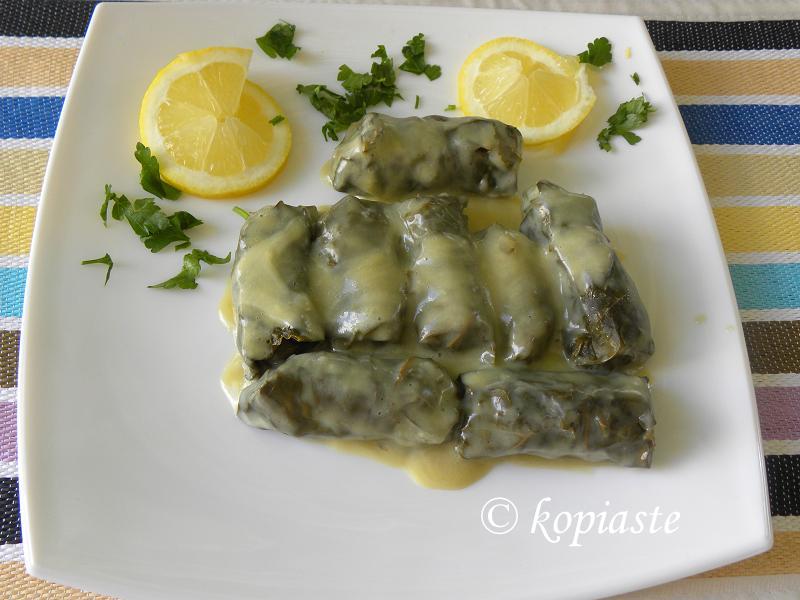
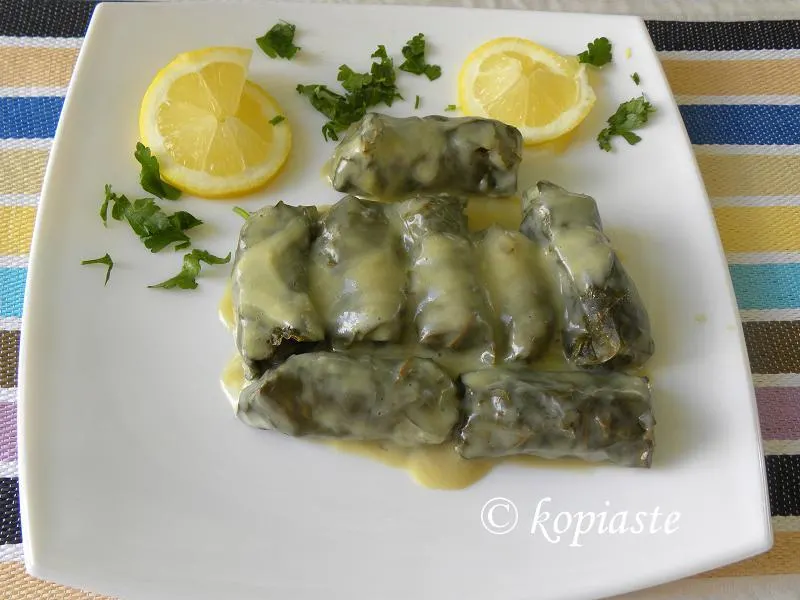
Dolmades me Avgolemono (dol-MAH-thes mé Avgolémono) , are vine leaves stuffed with ground meat and rice which are then served with an egg lemon sauce, called avgolemono (avgo = egg and lemoni = lemon).
Main Dishes
Koupepia (as we call them in Cyprus) are dolmades made with grape leaves, stuffed with ground pork or veal, rice, fresh herbs and seasoning, cooked with tomato and lemon juice.
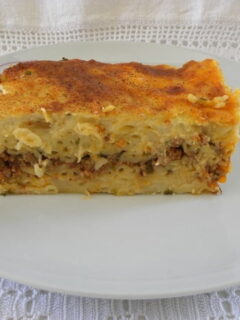
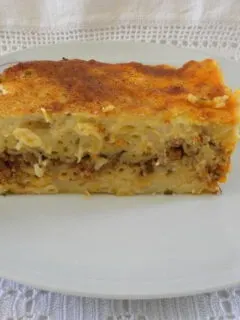
Makaronia tou Fournou means pasta baked in the oven and is a common dish in Cyprus, often served as a main course, with a salad but in Cyprus it is an essential dish during all celebrations.
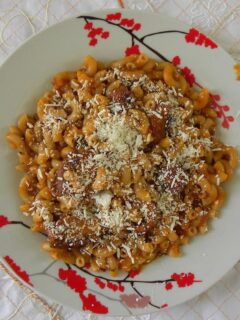
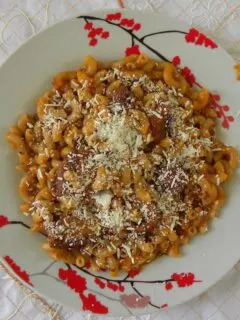
Htapodi (octopus) is one of the most delicious Greek seafood dishes. This dish is cooked in a tomato sauce and then in the sauce we cook the pasta.
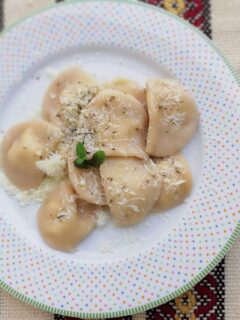
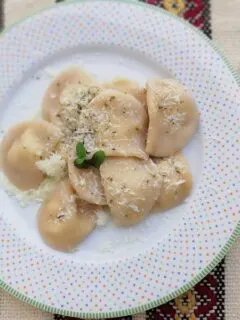
Ravioles is a Cypriot specialty, similar to ravioli, probably having its roots from the Venetian times. In Cyprus this pasta dish is filled with aged halloumi, eggs and mint and they are cooked in chicken broth.
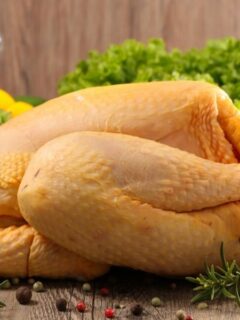
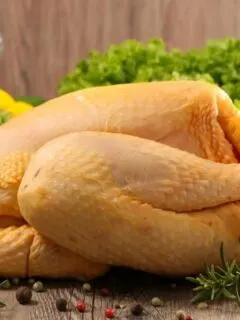
If we buy a whole chicken from the butcher we have to wash and clean the chicken. We then have to remove any visible feather roots and the remaining, which cannot be removed, we burn them off.
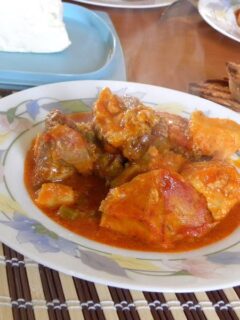
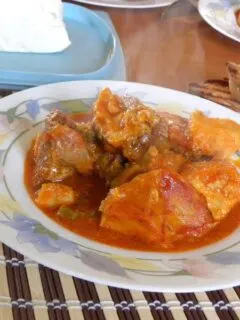
Kolokassi, from its ancient name “colocasia esculenta”, known as taro, is a root vegetable prepared the same way as potato. Chirino me Kolokassi, is a recipe from the Cypriot cuisine, which is stewed pork with taro.
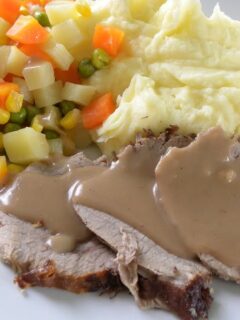
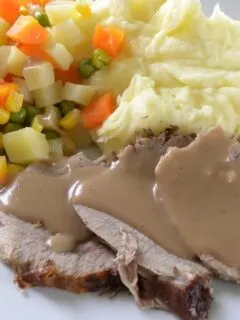
Moschari Noua takes its name from the Greek word “Moschari”, which is veal and “Noix de Veau” which is the top rump, also known as silverside in many other countries.
Noua as we call it in short, is a pot roast beef or veal using the above cut. It can be cooked in a pressure cooker, in a pot or Dutch oven.
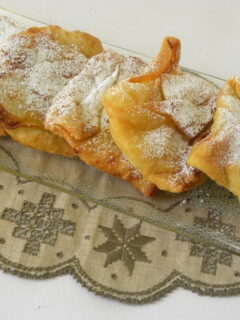

Shiamishi, are one of the best panigyria treats in Cyprus. These are made with homemade phyllo filled with an aromatic sweet semolina cream, which is flavoured with anthonero (orange blossom water) and mastic and then deep fried.
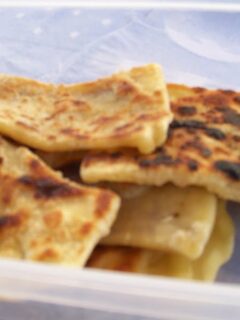
Kattimerka, is a traditional pastry dessert, similar to pischies but instead of being fried, these are cooked in a traditional frying pan called sadji. Sadji resembles like the Arab Saj, however, unlike the Arab saj, which is dome shaped, the Cypriot sadji resembles more like a wok. You can use a wok or any non-stick sautéing pan.