
Conversion of Weights
Conversion of weights and measures can some times be tricky and a real pain sometimes when converting American or Australian recipes to European (and vice versa), especially since not many realize their cup and tablespoon measurements are different.
Here is a quick reference on them, as well as conversions for oven temperatures. I shall keep this post on the footer of my blog, for easy reference.
Things get worse in Greece or Cyprus where our measurements are not very precise. The traditional recipes given by mother to daughter say some salt, little pepper, some rice, some parsley, a handful of that, a glass of this or a tea cup of that etc., and we have practically learnt cooking by experience.
Measurements with a glass:
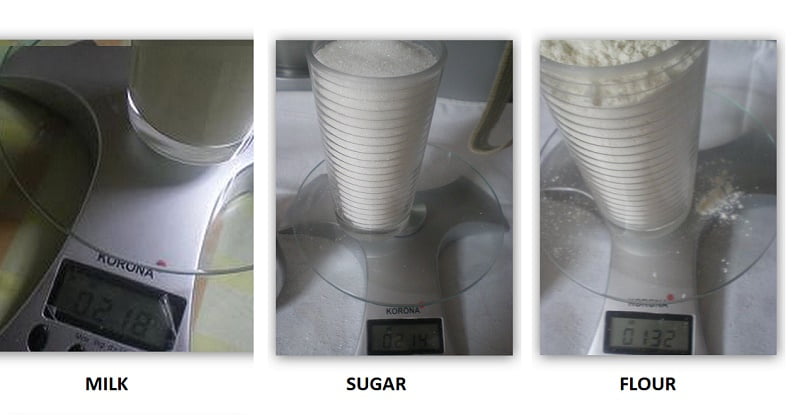
Here is an example of measuring some ingredients in a regular glass of water:
- 1 glass of milk is 200 grams
- 1 glass of sugar is 215 grams
- 1 glass of flour is 130 grams.
However, the glass is not filled to the rim. My advice is the use the same glass to measure your ingredients.
I will try from now on to be more specific in my recipes and especially in baking.
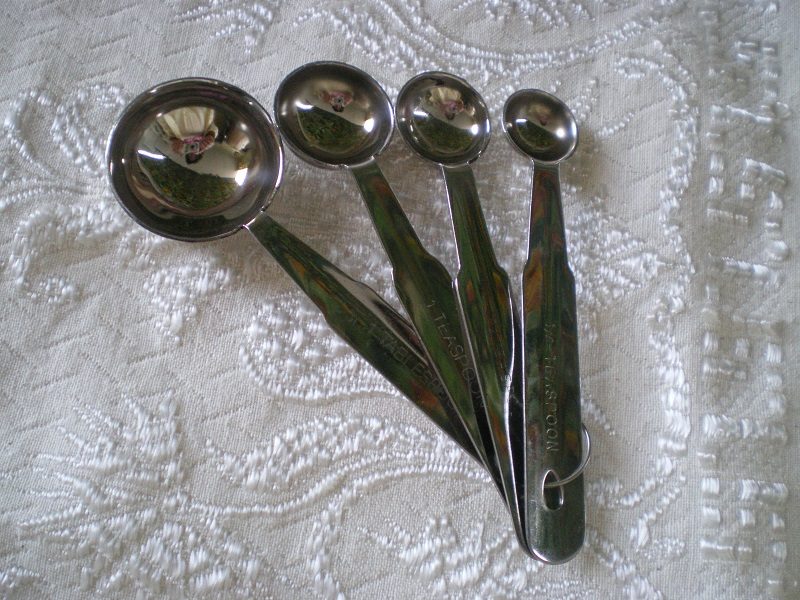
I am cooking and baking my recipes again and shall try and update all the recipes which were posted before November, 2008. From now on, I shall be using either cups or grams, or tablespoon or tsp, which are the ones shown below.
Personally I also have problems converting butter measurements and I am sure that others as well will have similar problems so according to some measurements I have found on the internet, I shall use these as a guideline for my recipes.
Conversion of measuring cups to grams
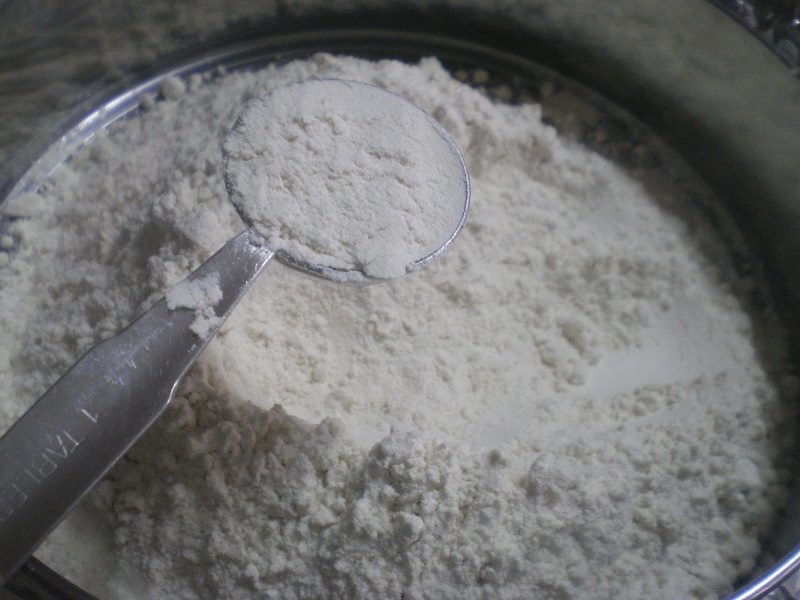
1. Flour / semolina / corn flour (starch) / cocoa powder / baking powder / baking soda:
- 1 cup all purpose flour = 125 grams
- 1 cup whole wheat flour = 120 grams
- 1 cup semolina = 170 grams
- 1 tablespoon all-purpose flour = 7.5 gr.
- 1 tablespoon corn flour (starch) = 7 gr.
- 1 tablespoon cocoa powder = 7.4 gr.
- 1 tablespoon baking powder = 13.8 gr.
- 1 tablespoon baking soda = 13.8 gr.
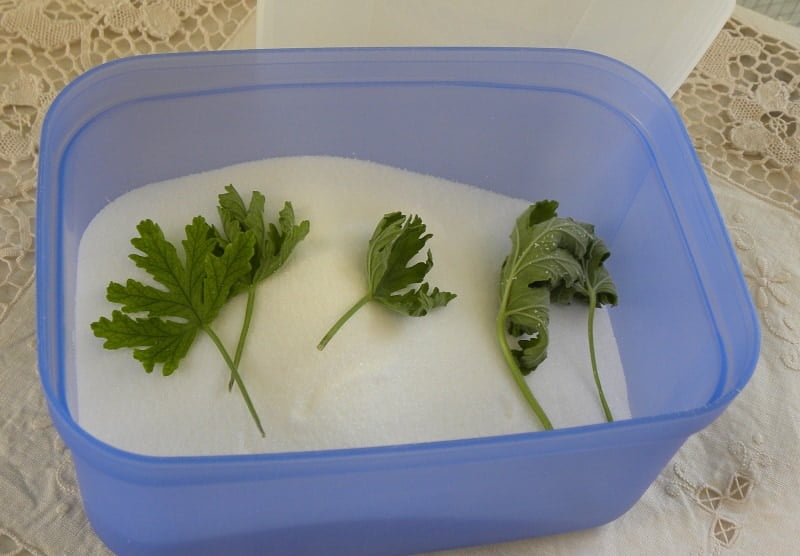
2. Sugar:
- 1 cup granulated sugar = 200 grams
- 1 cup brown sugar = 220 grams
- 1 cup icing sugar = 120 grams
3. Fluid:
- 1 cup milk = 240 grams
- 1 cup water = 240 grams
- 1 cup olive oil = 215 grams
- 1 cup vegetable oil = 218 grams
4. Eggs:
- 1 small egg = upto 53 grams
- 1 medium egg = 53 - 63 grams
- 1 large egg = 63 - 73 grams
- Extra large = more than 73 grams
5. Other:
- 1 cup rice= 185 grams / 1 tablespoon rice = 12 grams
- 1 cup grated almonds = 150 grams
- 1 cup dried bread crumbs = 105 grams
- 1 cup honey = 350 grams
Note: If a recipe calls for a pinch of something, this is what you can pinch using your three fingers.
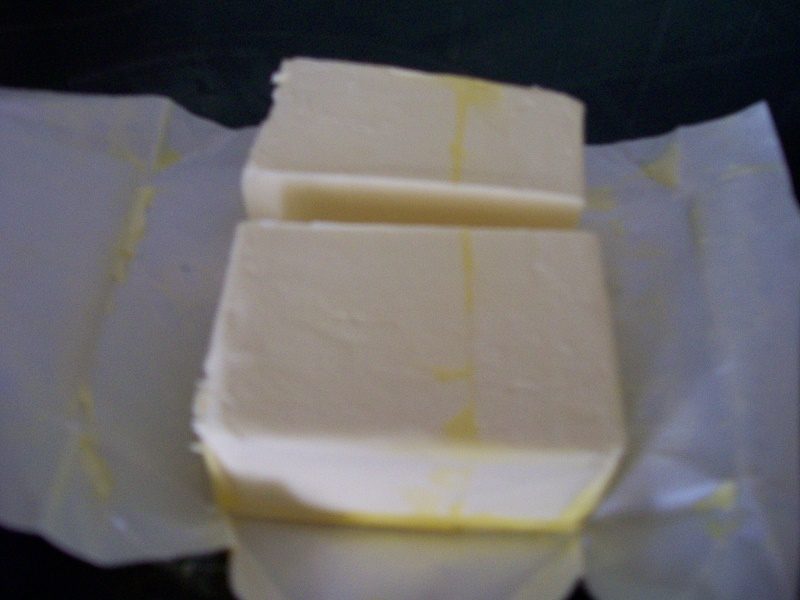
6. Butter:
- 1 cup butter = 227 grams
- 1 stick of butter = ¼ pound
- 1 stick of butter = ½ cup
- 1 stick of butter = 8 tablespoons
- 1 stick of butter = 4 ounces
- 1 stick of butter = 113 grams
- 1 tablespoon = 20 grams
- ¼ cup = 63 grams
- ⅓ cup = 75 grams
- ½ cup = 125 grams
- 1 cup = 250 grams
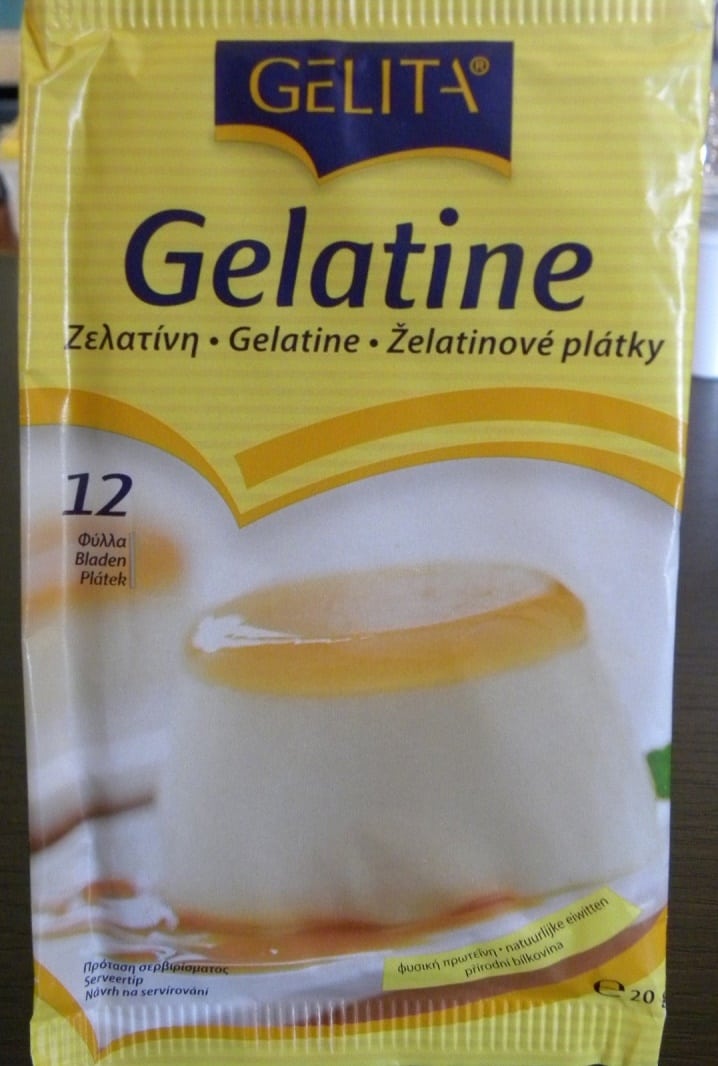
7. Gelatin sheets vs gelatin powder:
One Knox powdered gelatin envelope (US)
= ¼ oz, about 7 grams.
1 (US) envelope:
= 7 g,
= 7 (1-gram) sheets,
= 4 (1.66-gram) sheets,
= 3 or 3 ½ (2-gram) sheets.
1 (Europe) envelope:
= 11 g
= 11 (1-gram) sheets,
= 6.5 or 7 (1.66-gram) sheets
= 5 (2-gram) sheets
Source: Recipe Link
Note: for 1 litre of liquid I use 12 sheets of gelatine or 2 sachets equivalent to 2 tablespoons (20 grams) gelatine powder.
8. Oven Temperature Conversions
|
Gas Mark |
Fahrenheit |
Celcius |
Description |
|
¼ |
225 |
110 |
Very cool/very slow |
|
½ |
250 |
130 |
— |
|
1 |
275 |
140 |
Cool |
|
2 |
300 |
150 |
— |
|
3 |
325 |
170 |
— |
|
4 |
350 |
180 |
very moderate |
|
5 |
375 |
190 |
— |
|
6 |
400 |
200 |
moderately hot |
|
7 |
425 |
220 |
hot |
|
8 |
450 |
230 |
— |
|
9 |
475 |
240 |
very hot |
Kopiaste and Kali Orexi!

This should be a very useful post for everyone IVY!
Very good information Ivy! Thanks.
Thank you ivy you are right some times it gets too complicated ! Viva i grammi !
Yes, Ivy, you are so right! I always have to Google different measurements. Thanks for this handy-dandy reference. Great idea!
back home in Indonesia, at old times, my mother usually measured using glasses or tumblers. her recipe collection is full of recipe using this measurement. it is me who's got the job to convert them now hehehe... very informative post you've got here, ivy. thanks heaps!
Great post Ivy, this will be very useful! I look this up on google all the time. Bookmarked. Thanks.
This is very useful; I use the sweet and simple bakes conversion chart. Would you believe it took me forever to realise that the US stick of butter was almost half the size of my stick of butter (250g or 227g depending on brand)? You can imagine the initial baking disasters and confusion before I caught on.
Ivy thankyou for the info, i am going to print out this post and keep in my kitchen. It is always a disaster with me when it come to measurement. I always use grams or ml measurement, but then when i look to american blogs or books it is cups.
I posted your cheesey snack and i have got lots of wonderful feedbacks from it.
Oh, this is so useful!! I have a rubric on my blog called "conversions/substitutions" in which I talk about this same problem. I highly recommend this website too: http://www.onlineconversion.com/cooking.htm. It's very thorough! I'm getting an intuitive sense now of the conversions and don't have too much trouble when I'm baking, but when you want to share a recipe, that's a different story!
A great helpful post, Ivy. I'm always confused with the US butter measurements coz they tend to measure in stick, cup or tablespoon. I've bookmarked it for future reference and thanks a lot!
I am very bad when it comes to measurements. My mom's recipes are like those of Greek moms. A little bit of this and a pinch of that and some of that other one. LOL
I usually don't measure anything when I am cooking, though. Some people are so strict about measurements that take the fun out of cooking. :-p
Great post Ivy!
how did you ever figure out when these Greek recipes, exp-1 cup butter (water glass)?????
I never knew how different baking can be across the world until I started blogging. Everyone started using the metric system, and while it's more accurate, I was a little confused. I think the little inaccuracies are what makes our bakes unique 🙂
Hi ivy
thanks for passing by my blog and leaving such wonderful encouraging words..it helps and thank you. I feel happy with this post as at any time if i require information on measurement, i know where to go quickly..well summarised.
Ivy this is a great post and one that is great for reference. Measurements are very important in baking to be correct. I must bookmark this post 🙂
Rosie x
Ivy, this is so wonderful of you to put this information here. Only today I was struggling with such measurement conversions. I do have some links, but do you mind if I link to your post in my blog?
You are so right about it, it isn't easy at all. This will surely be of help.